
“Model 214” Two-Seater Beech Sofa by Kurt Olsen for Slagelse Møbelværk, Denmark 1960s (sold)







“Model 214” Two-Seater Beech Sofa by Kurt Olsen for Slagelse Møbelværk, Denmark 1960s (sold)
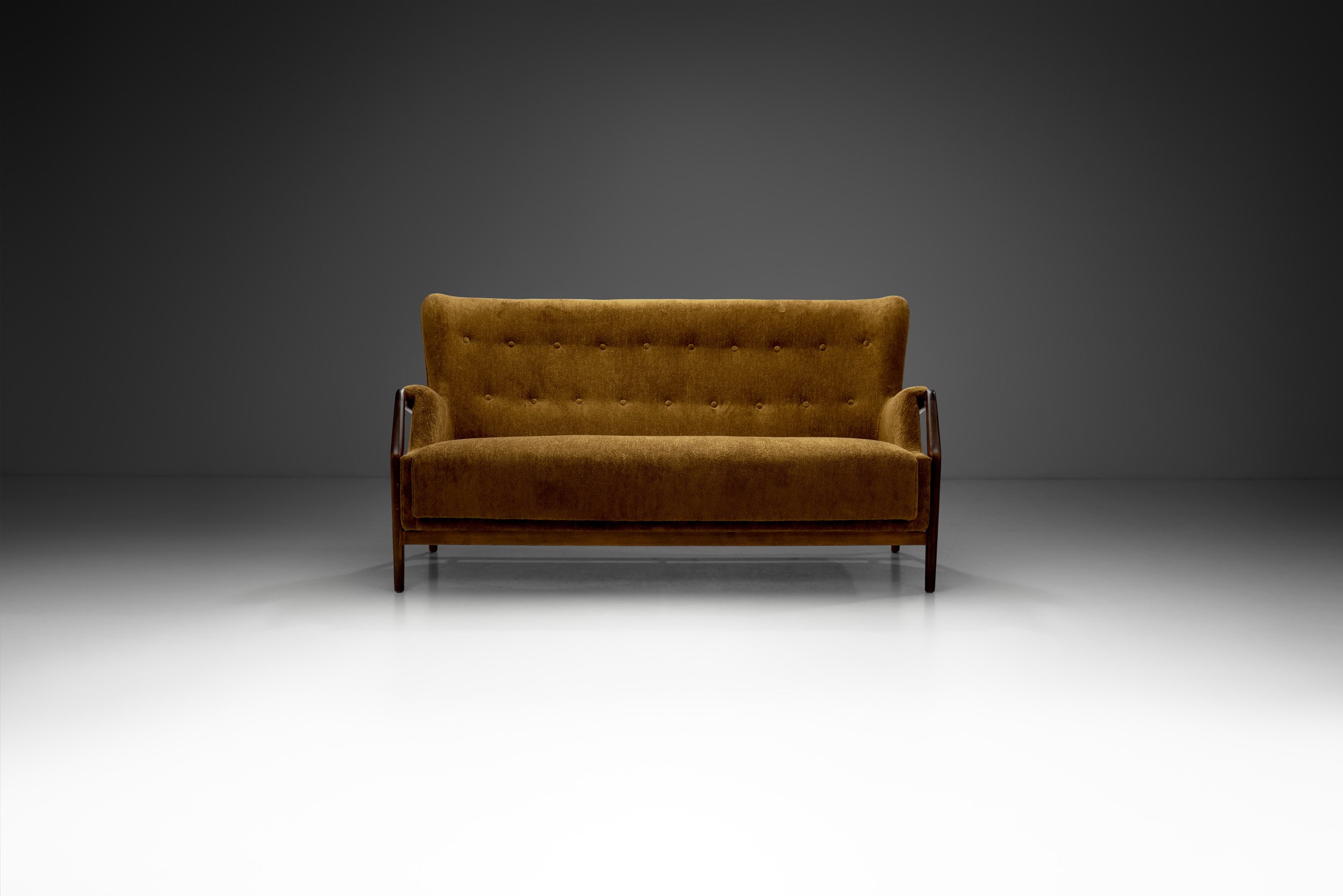
The “Model 214” sofa was designed by Danish designer and architect Kurt Olsen during the 1960s and unifies some of the best characteristics of the Danish mid-century modern movement’s design aesthetic and craftsmanship.
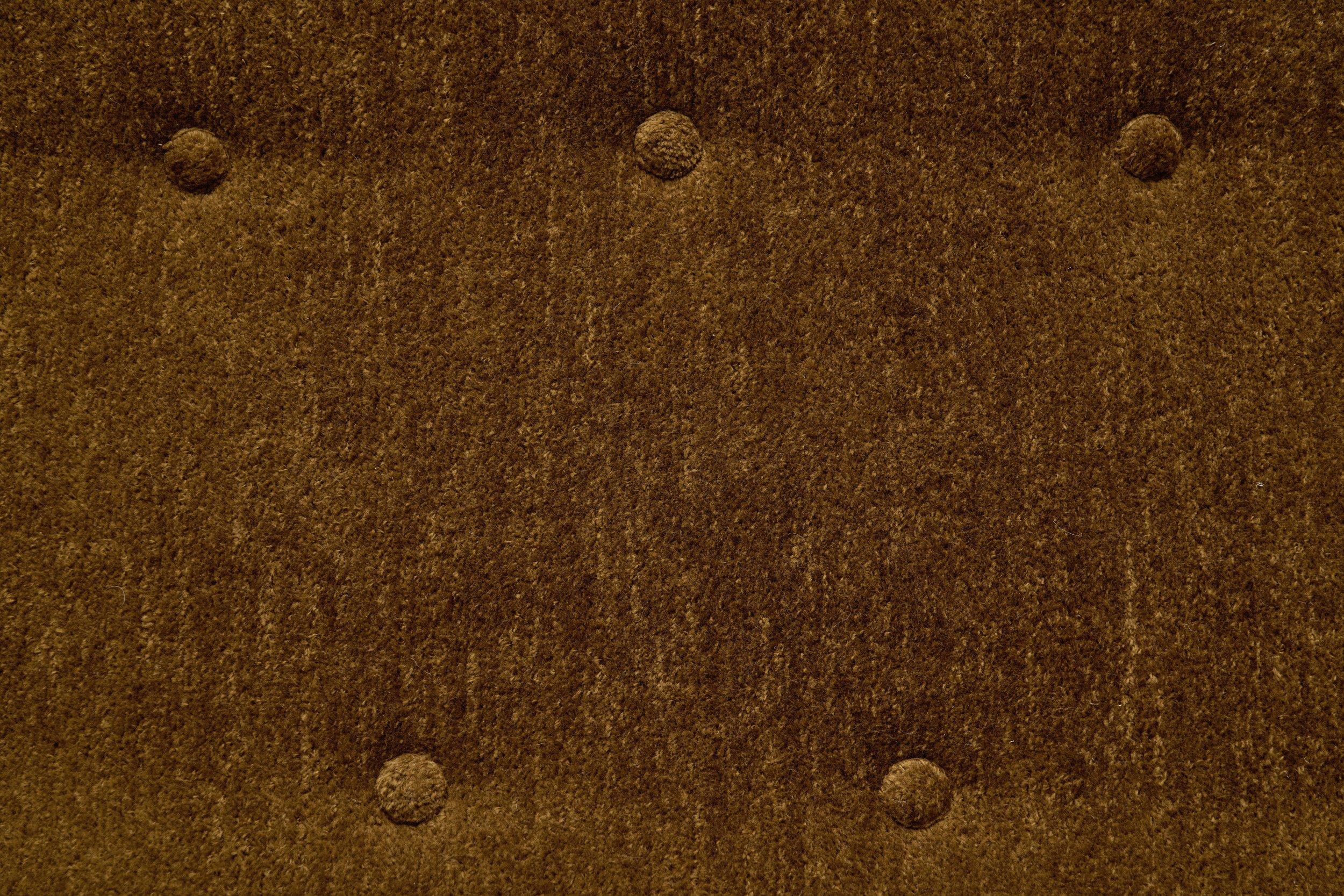
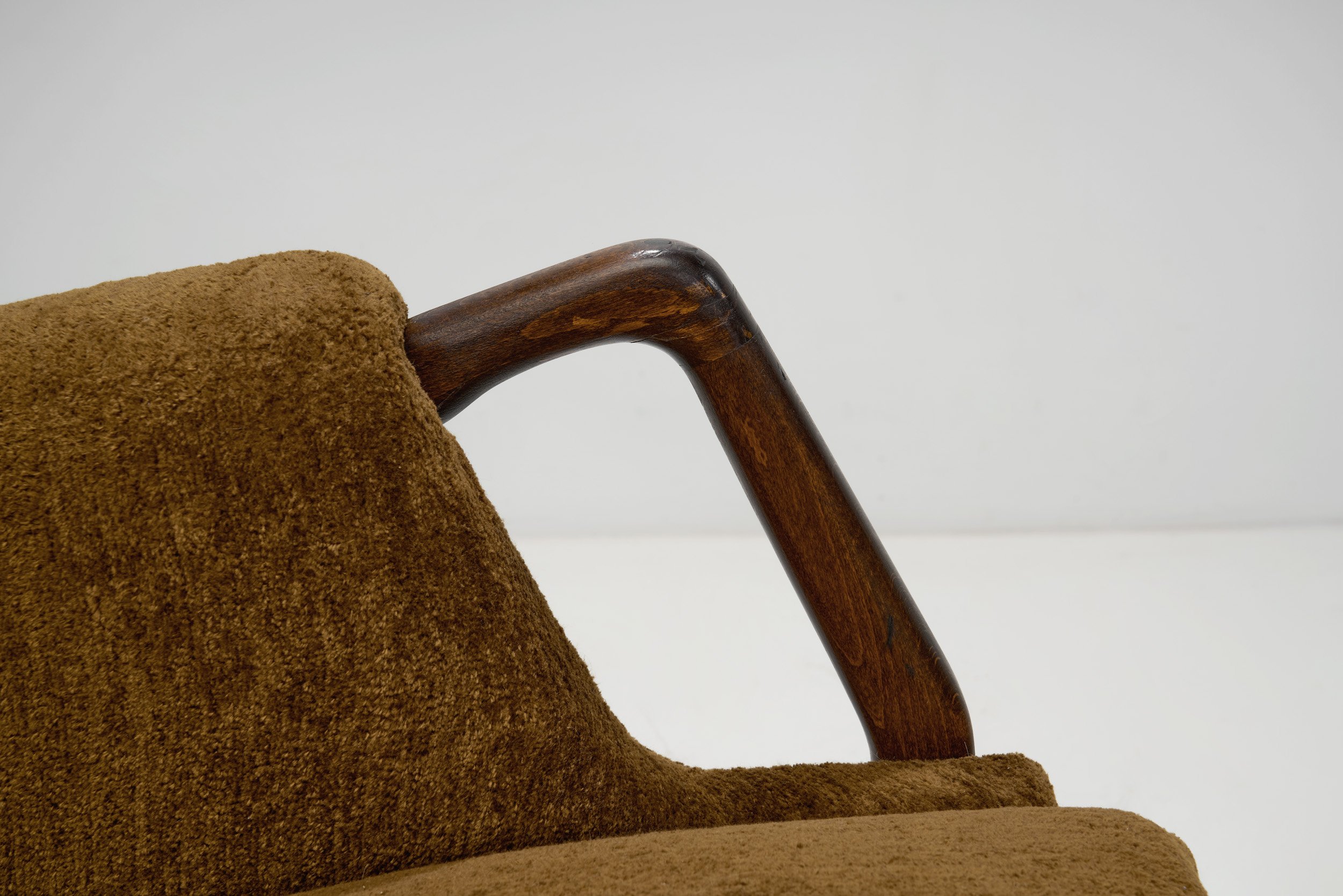
Like many of his contemporaries, Olsen was also a trained architect, which is evident in the stained beech frame of this sofa. The architectural precision and design are evident even under the upholstery and especially when looking at the exposed arms. Olsen liked to find non-conventional ways to present the area where the legs and armrests meet, in this case by connecting the arms to the legs seamlessly with precise and pronounced angles. Overall, this sofa combines function and aesthetics in a striking manner, keeping the form in service of the user while remaining inherently elegant and modern. The round, but cleanly defined shape of the body and the straight, slender beech arms and legs complement each other, resulting in a harmonious appearance. The lower structure truly shows off the special attention to functionality, with stretchers running under the seat for stability. Thanks to this, the upholstered body appears to be sitting effortlessly on the delicate frame almost as if it was unattached to it. This praises both the design and the execution by Danish manufacturer, Slagelse Møbelværk. Visually, the most outstanding feature is how the upholstery engages with the frame, which is most apparent on the armrests, where the fabric “grasps” the wood. In the mid-fifties, Kurt Olsen designed for Slagelse Møbelvaerk where master joiners A. Andersen and Bohm made a lot of his designs. This sofa is also an outstanding result of this fruitful collaboration.
As the clearly lined wooden frame of this sofa contrasts beautifully with the upholstered body, this sofa has a very photographic appearance. Due to the well-chosen proportions, materials and expert level of cabinetmaking, this “model 214” sofa is a classic example of Danish mid-century modern design history.
SOLD
Condition:
Wear consistent with age and use. Some small scratches and stains on the wood. The sofa has been reupholstered recently in a premium fabric. Each of our items can be re-upholstered by our in-house atelier in a fabric of choice. Please reach out for more information.
Dimensions:
64.96 in W x 31.49 in D x 34.25 in H; Seat height 17.71 in; Arm height 23.22 in
165 cm W x 80 cm D x 87 cm H; Seat height 45 cm; Arm height 59 cm
About the designer:
Kurt Olsen is one of the more anonymous designers, even though his designs are well-known and truly stunning. Mid-fifties Kurt Olsen designed primarily for the Danish manufactory, Slagelse Møbelvaerk, where master joiners A. Andersen and Bohm made a lot of his designs. This collaboration resulted in an array of seating furniture culminating in his masterpiece lounge- and armchairs.
Furniture from Slagelse Møbelvaerk is considered to be essential in any good collection of Danish mid-century furniture. The Danish furniture manufacturer produced a substantial part of many Danish designers’ models between the 1940s and 1970s, including Kurt Ostervig, Arne Vodder, Ib Kofod-Larsen, and Kurt Olsen.
Slagelse collaborated with an array of renewing Danish designers to bring new and daring designs. At Slagelse Møbelvaerk, Kurt Olsen and his fellow designers got to work with a team of highly skilled craftsmen, who allowed their designs’ complex shapes and joints to take form. ~H.
REQUEST PRICE HERE
Price category: 20,000 - 30,000 usd / eur
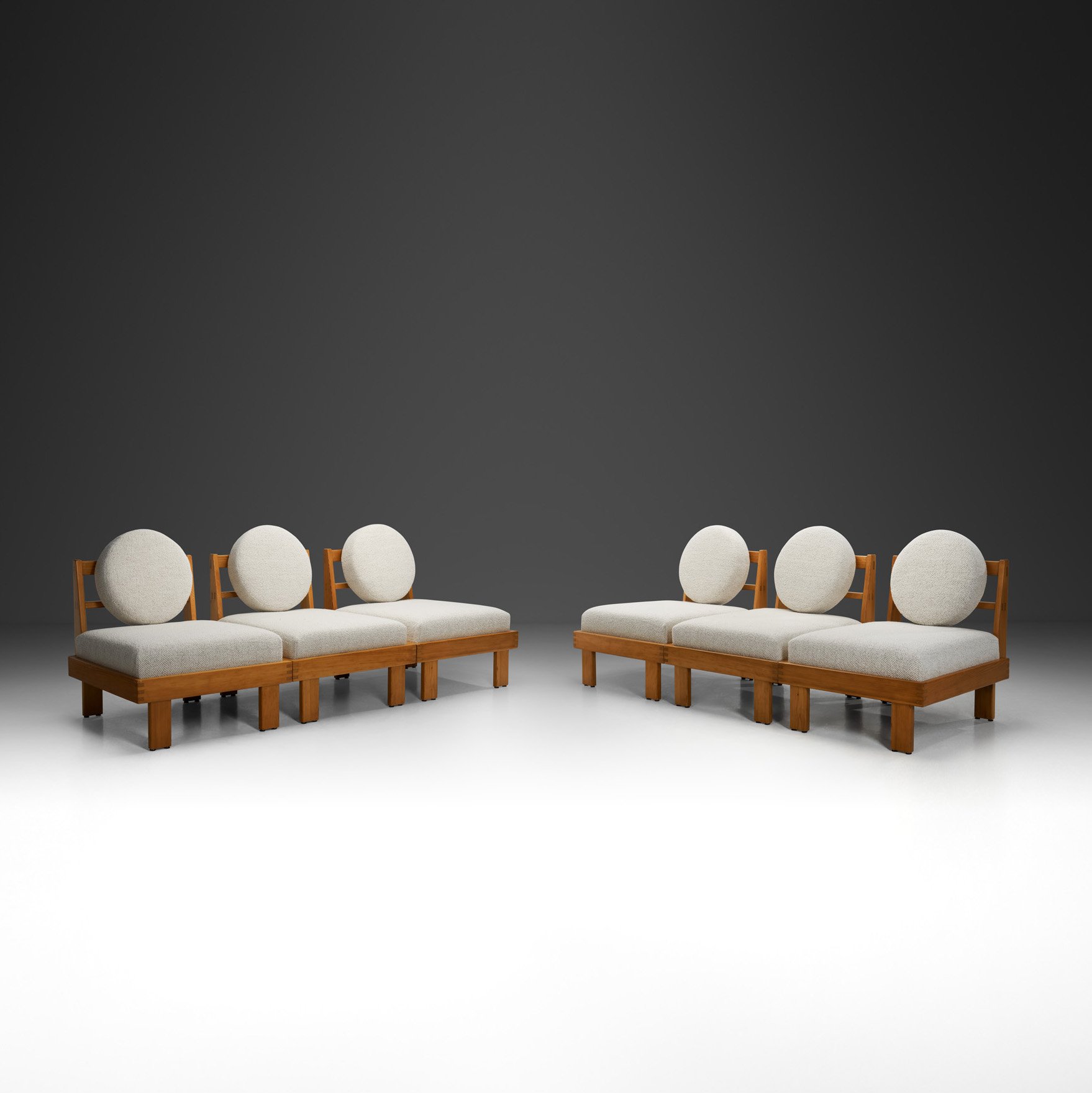
During the mid-20th century European designers turned their attention to rethinking domestic comfort, exploring how new ideas of form and proportion could transform the experience of sitting and living. Moving away from traditional ornament and into a culture of experimentation, they began focusing on honest materials, balanced lines, and structure. This was a period when modernism evolved into a human-centered vision of living.
This pair of modular sofas capture that spirit with its thoughtful interplay of geometry and tactility. The frames, crafted in solid wood with box joinery, celebrate craftsmanship while maintaining a striking simplicity. The low, grounded stance gives the pieces a quiet strength, while the broad seats invite relaxed, informal lounging. To complement the solid frame, the backrests feature circular cushions, an unexpected sculptural element that softens the sofas’ rectilinear frames and adds visual interest without unnecessary embellishment. Upholstered in richly textured bouclé fabric, the sofas pair a tactile, inviting surface with the clean lines of their timber base, achieving a compelling balance between warmth and restraint. The traditional joinery details are left visible, underscoring a mid-century belief in structural honesty and the inherent beauty of well-made construction.
As a pair, the sofas are both understated and iconic, a reminder that modern design is not about excess, but about clarity and intention. More than just a functional pair, they reflect a postwar European ethos that embraced innovation while remaining deeply connected to craft and the human experience of comfort.
Condition:
In good vintage condition. Wear consistent with age and use. The sofas may have some marks, scratches, and discolouration due to the age and nature of the materials. The cushions has been recently reupholstered in a premium fabric. Each of our items can be reupholstered by our in-house atelier in a fabric of choice. Please reach out for more information.
Dimensions:
27.36 in W x 31.10 in D x 31.50 in H (including cushion); Seat height 16.93 in; Seat depth 20.47 in
69.5 cm W x 79 cm D x 80 cm H (including cushion); Seat height 43 cm; Seat depth 52 cm

REQUEST PRICE HERE
Price category: 9,000 - 12,500 usd / eur
Rino Levi was one of the pioneers of the modern movement in Brazil, advocating for simple, practical and economical design, disparaging the imitation of classicism. ‘Classical spirit’ rather than classical forms was his ideal.
Levi was instrumental in spreading the fame of Brazilian modernism through his furniture designs as well. As this beautiful Brazilian wood sofa shows, by the 1960s, Levi abandoned Italian rationalism in favour of an approach closer to that of the Rio modernists both in his architectural and furniture designs. As a piece of true Brazilian mid-century design, the beauty of the wood and organic shapes and lines dominate this three-seater sofa. The tilted, architectural lines of wood making up the armrests create a visually distinct and exciting appearance. The additional horizontal lines connecting to the backrest are a creative addition, while also supporting the overall stability. The frame with its joinery praises Rino Levi’s craftsmanship and architectural expertise. The beautiful colour of the wood is highlighted by the light upholstery of the body in a premium bouclé fabric, including the three removable cushions.
This sofa model is rare to find, for as during Brazil's military dictatorship, it was against the law to export furniture. The ban on exports only ended in the 1980s, but it still took some time for things to change, not to mention that handmade pieces were created in limited editions. Therefore, it is no exaggeration to say that this sofa is special, and a real rarity.
Condition:
In good vintage condition. Wear consistent with age and use. Some scratches and marks on the wood. The sofa has been reupholstered recently in a premium bouclé fabric. Each of our items can be re-upholstered by our in-house atelier in a fabric of choice. Please reach out for more information.
Dimensions:
86.41 in W x 28.74 in D x 30.31 in H; Seat height 16.14 in
219.5 cm W x 73 cm D x 77 cm H; Seat height 41 cm
About the Designer:
Rino Levi was a Brazilian architect important to the development of modernism in Brazil. Levi was born to Italian Jewish parents on December 31, 1901 in São Paulo, Brazil. After graduating from Colégio Dante Alighieri in São Paulo, Levi studied in Milan and Rome under Marcello Piacentini.
In 1924, he moved to the School of Architecture of Rome. There, he met Adalberto Libera (1903 - 1963) and Marcello Piacentini (1881 - 1960) in whose office he did practice. In 1925, he published in O Estado de S. Paulo. He returned to Brazil in 1926 and worked for a year in the Santos Construction Company.
Following his return to São Paulo, Levi established the firm Rino Levi Arquitetos Associados. Levi was known for an architectural practice particularly dissociated from the construction process for his era. In the early 1930s, Levi designed a number of modernist houses in São Paulo for Italian clients. Towards the end of the decade, Levi's practice shifted to the design on theaters including the Cine Ufa Palace and Teatro Cultura Artistic.
His first major work was the Columbus Building at Avenida Brigadeiro Luís Antônio (first apartement complex in the metropolis, demolished in 1971 ), the Cine Ufa Palace in St. John Avenue, the Medici residence in Santo Amaro and Sarti Building in Republic Square. These rationalist buildings have simple volumes, with evident structure. The project Cine Ufa Palace (1936) was a role model for other cinemas projects: Cine Universe (1936), Cine Art-Palace Recife (1937), the Cine Ipiranga (1943) and the Theatre Culture Arts (1942).
Rino Levi participated in the formation and construction of the Institute of Architects of Brazil and was an active member until his death. He is remembered today as a key figure in introducing modernism to Brazil. ~H.
REQUEST PRICE HERE
Price category: 7,500 - 10,000 usd / eur
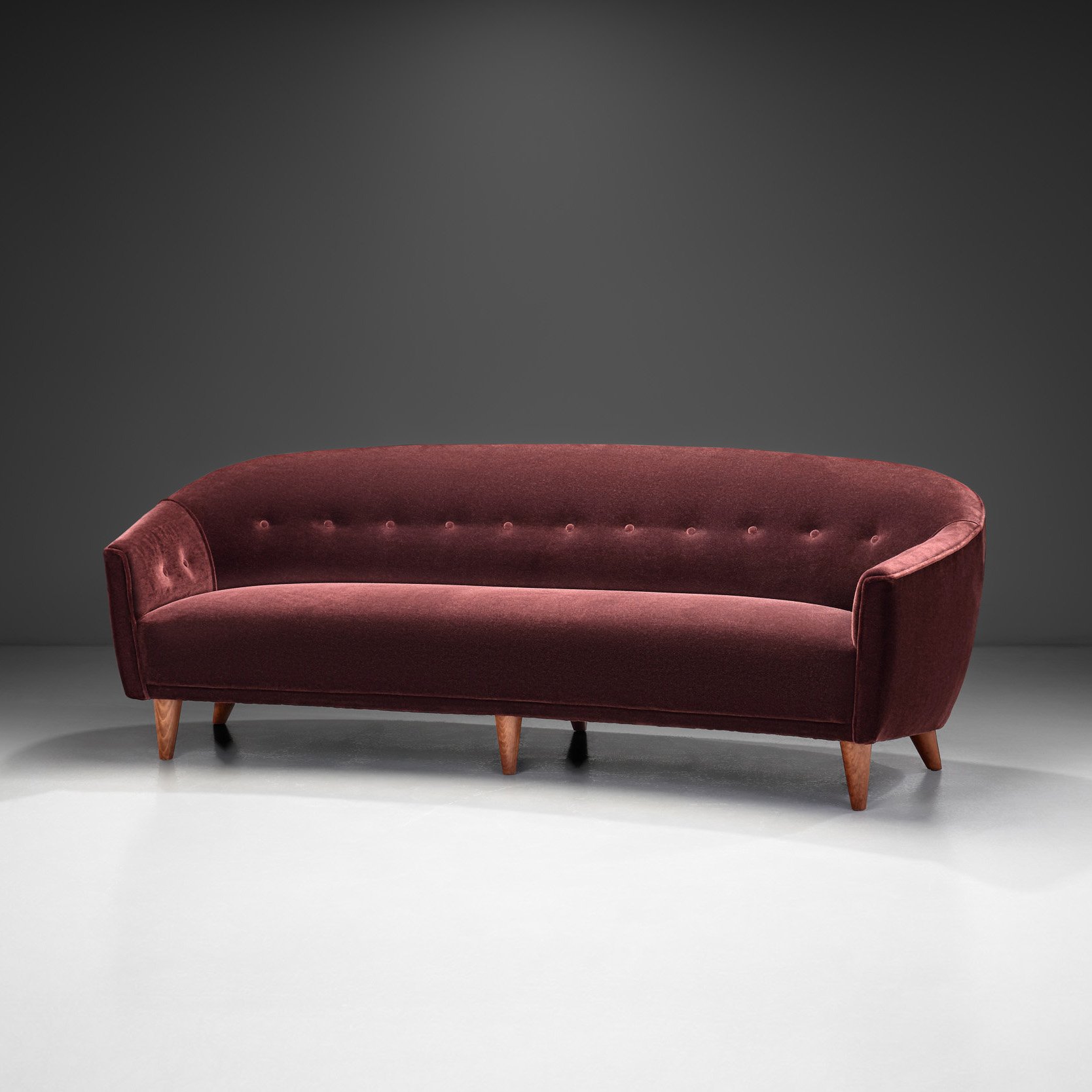
This three-seater mid-century modern sofa is a timeless statement piece. In the world of interior design, few furniture pieces captivate the imagination quite like the mid-century modern sofa. This particular sofa, with its distinctive light banana shape and luxurious aubergine-coloured velvet upholstery, stands as a prime example of the enduring allure of mid-century modern design. Every detail of this exquisite piece, from the button tufting that adorns its back to the graceful conical legs crafted from solid wood, speaks to the elegance and craftsmanship synonymous with this era.
Cabinetmakers of the mid-20th century played a pivotal role in shaping the landscape of interior design. These skilled artisans dedicated their expertise to creating finely crafted, functional, and aesthetically pleasing furniture. Often rooted in European traditions of craftsmanship, cabinetmakers focused on the marriage of form and function. This sofa model, with its sinuous lines and impeccable upholstery, embodies this ethos beautifully. The mid-century modern design movement emphasized clean lines, organic forms, and a focus on the use of new materials and manufacturing techniques. The resulting designs, like this sofa, aimed to enhance the daily lives of their users by promoting both comfort and aesthetics, skilfully combining these ideals. The aubergine-coloured velvet fabric, aside from its luxurious tactile appeal, adds a rich, regal touch to any interior. The deep, warm hue of the colour creates a sense of opulence, making it an ideal choice for a statement piece. The button tufting, in addition to enhancing the sofa's comfort, also acts as a visual highlight that emphasizes its graceful curves. It is a reminder that every aspect of this piece, from its shape to its upholstery, has been meticulously considered.
The importance of a statement piece sofa in an interior cannot be overstated. It serves as the anchor, the focal point, and the conversation starter of a room. In the case of this mid-century modern piece, it not only provides a comfortable seating solution but also adds an element of sophistication and a touch of luxury to any space. Its unique silhouette, combined with the aubergine velvet, ensures that it stands out in any room, creating a striking contrast against neutral backgrounds or complementing vibrant, eclectic decor.
Condition:
In good vintage condition. Wear consistent with age and use. The sofa is upholstered in a premium aubergine coloured velvet fabric. Each of our items can be re-upholstered by our in-house atelier in a fabric of choice. Please reach out for more information.
Dimensions:
79.52 in W x 35.03 in D x 28.34 in H; Seat height 14.96 in; Arm height 20.27 in
202 cm W x 89 cm D x 72 cm H; Seat height 38 cm; Arm height 51.5 cm
REQUEST PRICE HERE
Price category: 7,500 - 10,000 usd / eur
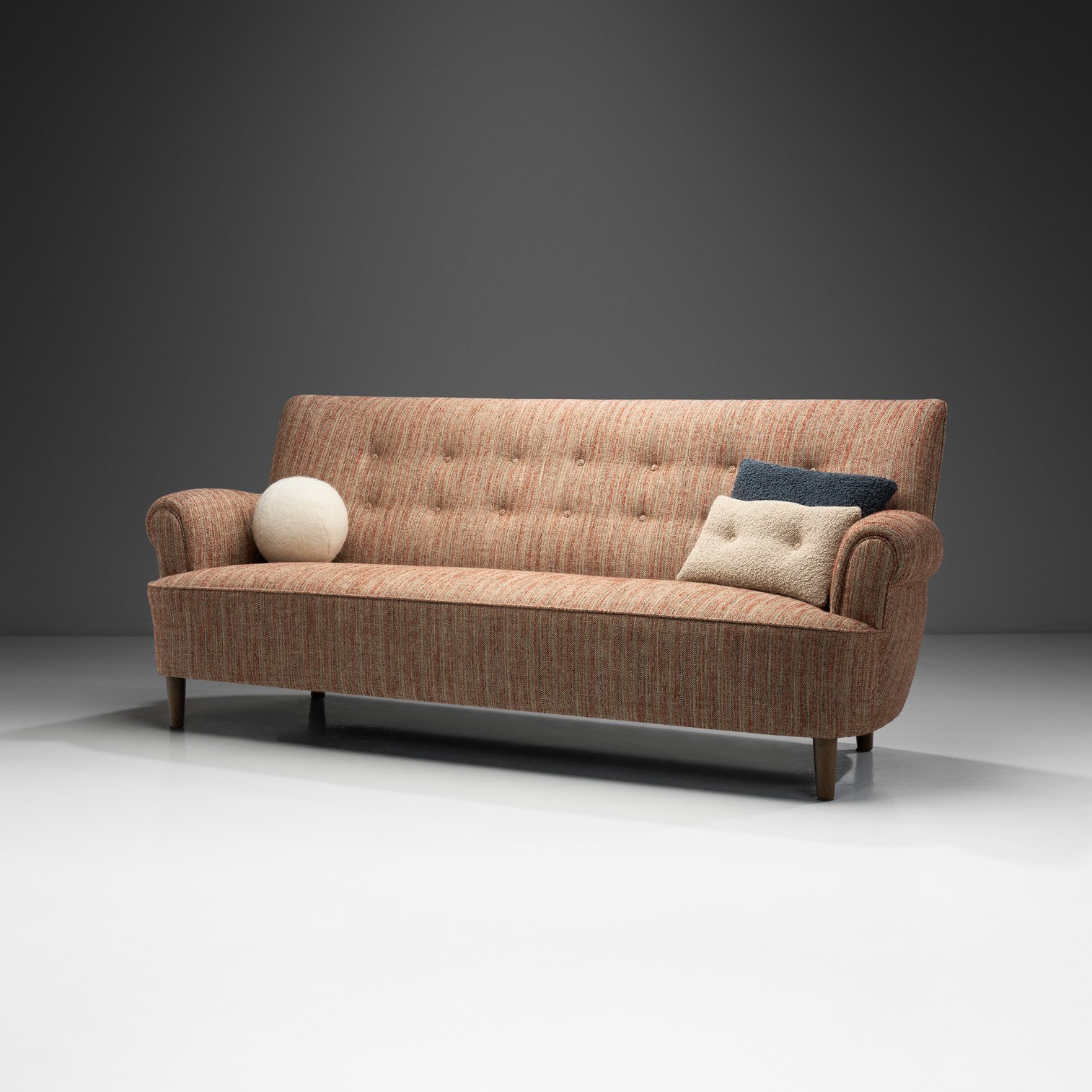
Carl Malmsten devoted his life to the renewal of Swedish craftsmanship, inspired to create furniture endowed with a creative simplicity, with functionality in mind and a high technical quality. His talent to innovate and produce unique pieces is showcased in his design of the “Hemmakväll” sofa.
From 1956 onward, O.H. Sjögren's Upholstery Workshop in Tranås became one of Carl Malmsten’s key production hubs that met all of the quality standards required. Their collaboration was followed by his exhibition at the Röhsska Museum of Design and Craft in Gothenburg where he showcased, for the first time, furniture designed for serial production. One of these series was dedicated to the family home, and included the “Hemmakväll” sofa (other items in the same series are also recognisable Malmsten pieces, such as “Farmor” and “Lillasyter”). This series inspired by familiar comforts evokes a special feeling or mood, which is also reflected in how he named his designs. “Hemmakväll” translates to “Home Evening”, evoking cosiness, joy and expressing the act of a family gathering. The design of this sofa aims to maximise comfort and function, while simultaneously putting an emphasis on elegance and refinement. This is most visible in the round, welcoming body and the eye-catching parallel lines of tufted buttons, all enhanced by the luxurious fabric of the sofa. The complementary geometrical pillows are accent pieces that add visual interest through a variation of textures, colours, and shapes. The sofa’s short, pine wood legs add a modern and organic feel, balancing out the voluptuous profile of the piece.
Carl Malmsten was - and still is - one of the most famous furniture designers in Sweden, who was also active in the cultural and political sphere of the country. He had a lasting influence on Swedish and contemporary furniture design, and was known for his devotion to ‘slöjd’ (traditional Swedish craftsmanship), which is visible in every one of his models. With this sofa, the ‘slöjd’ is combined with modern elements and luxurious upholstery to create stylish pieces with longevity for generations to come.
Condition:
In good vintage condition. Wear consistent with age and use. The pillows are newly produced. The sofa has been reupholstered recently in a premium fabric. Each of our items can be re-upholstered by our in-house atelier in a fabric of choice. Please reach out for more information.
Dimensions:
80.3 in W x 33.1 in D x 33.3 in H; Seat height 16.1 in; Seat depth 20.9 in; Arm height 24.4 in
204 cm W x 84 cm D x 84.5 cm H; Seat height 41 cm; Seat depth 53 cm; Arm height 62 cm
REQUEST PRICE HERE
Price category: 7,500 - 10,000 usd / eur
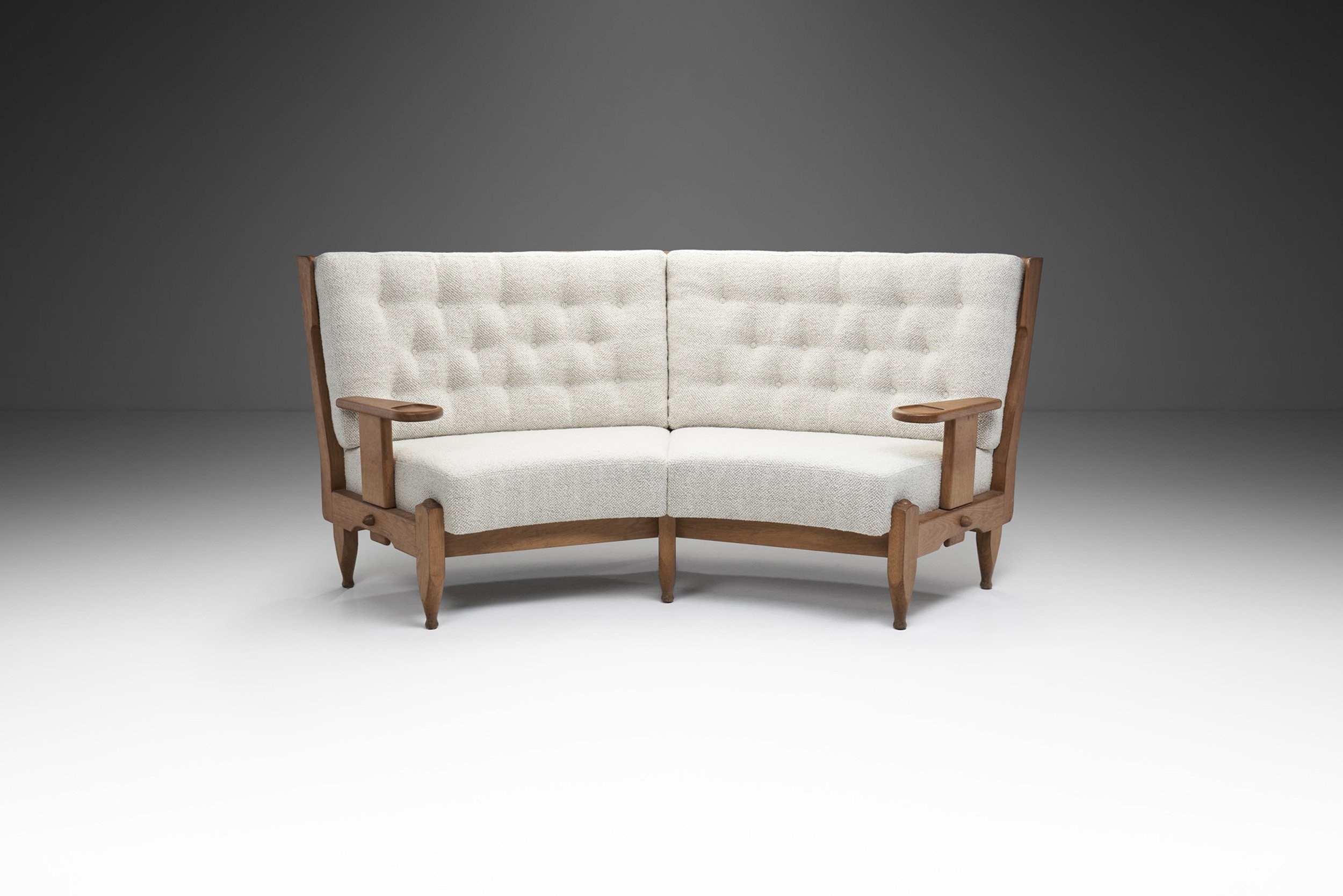
The best design characteristics of Guillerme et Chambron meet in this beautiful, artistic oak sofa. The duo’s designs are exceptional for a wide array of reasons, starting from the use of solid oak as the main material to the masterfully crafted details and carvings.
Guillerme et Chambron are known for their high-quality, solid oak furniture created for their own company, Votre Maison. Like most of their designs, this sofa model displays a beautiful contrast between the wooden frame and the elegant light fabric of the seat and back cushions. The backrest - which is undoubtedly the main design element - consists of eight, wide wooden spindles framed by oak rails on the top, sides and the bottom. The spindles widen in the middle and are hollow, creating a striking patter. The two sides of the sofa are joined in the middle at an angle that creates an appealing curve that further highlights the sculpted back. The backrest is slightly tilted for comfort, aided by the generous seat and back cushions upholstered in bouclé fabric. The armrests and legs have a peculiar shape, the former stand freely, unattached to the back with carved dents in the front, while the legs have a fluted shape. These details complete and distinguish the overall design, making this sofa unique and characteristic of Guillerme and Chambron at the same time.
The woodworking and joinery truly show the overall quality of this sofa, the frame is refined and the attention to the smallest detail shows the design and manufacturing skills of the French duo. Guillerme drew the furniture designs while Chambron played the part of salesman, and the pair was working with master cabinetmaker, Émile Dariosecq, whose workshop took charge of the manufacturing. Together, they defined new furnishings concepts.
Condition:
In good vintage condition. Wear consistent with age and use. Some minor scratches on the wood. This sofa has been reupholstered recently in a premium bouclé fabric. Each of our items can be reupholstered by our in-house atelier in a fabric of choice. Please reach out for more information.
Dimensions:
84.64 in W x 40.15 in D x 37 in H; Seat height 16.92 in
215 cm W x 102 cm D x 94 cm H; Seat height 43 cm
About the Designer:
Robert Guillerme graduated in 1934 from the École Boulle where he excelled in architecture and furniture design. After the Second World War he moved to Lille, in the north of France, where he decorated homes and designed furniture for the well regarded Rogier workshops.
In 1948, Guillerme was joined by his long-time friend, decorator Jacques Chambron in Lille. The following year Guillerme and Chambron met master cabinetmaker Émile Dariosecq, owner of a woodworking shop and the company Votre Maison was born. Together, they defined and imposed a new furniture concept. Thanks to their distinctive creativity, originality, and quality, the Votre Maison quickly became well-known.
The Votre Maison marked the history of French design. Guillerme drew the furniture designs while Chambron played the part of salesman, welcoming and advising clients. The power duo was complemented by Dariosecq, whose workshop took charge of the manufacturing. Together, they defined new furnishings concepts. Well-crafted chair back, polished wood and thick cushions make the reputation of their armchairs and sofas. Votre Maison continued to produce furniture right into the 20th century, with Jacques’s son Hervé Chambron, a designer and graduate of the École Boulle, having taken the over in 1983.
REQUEST PRICE HERE
Price category: 7,500 - 10,000 usd / eur
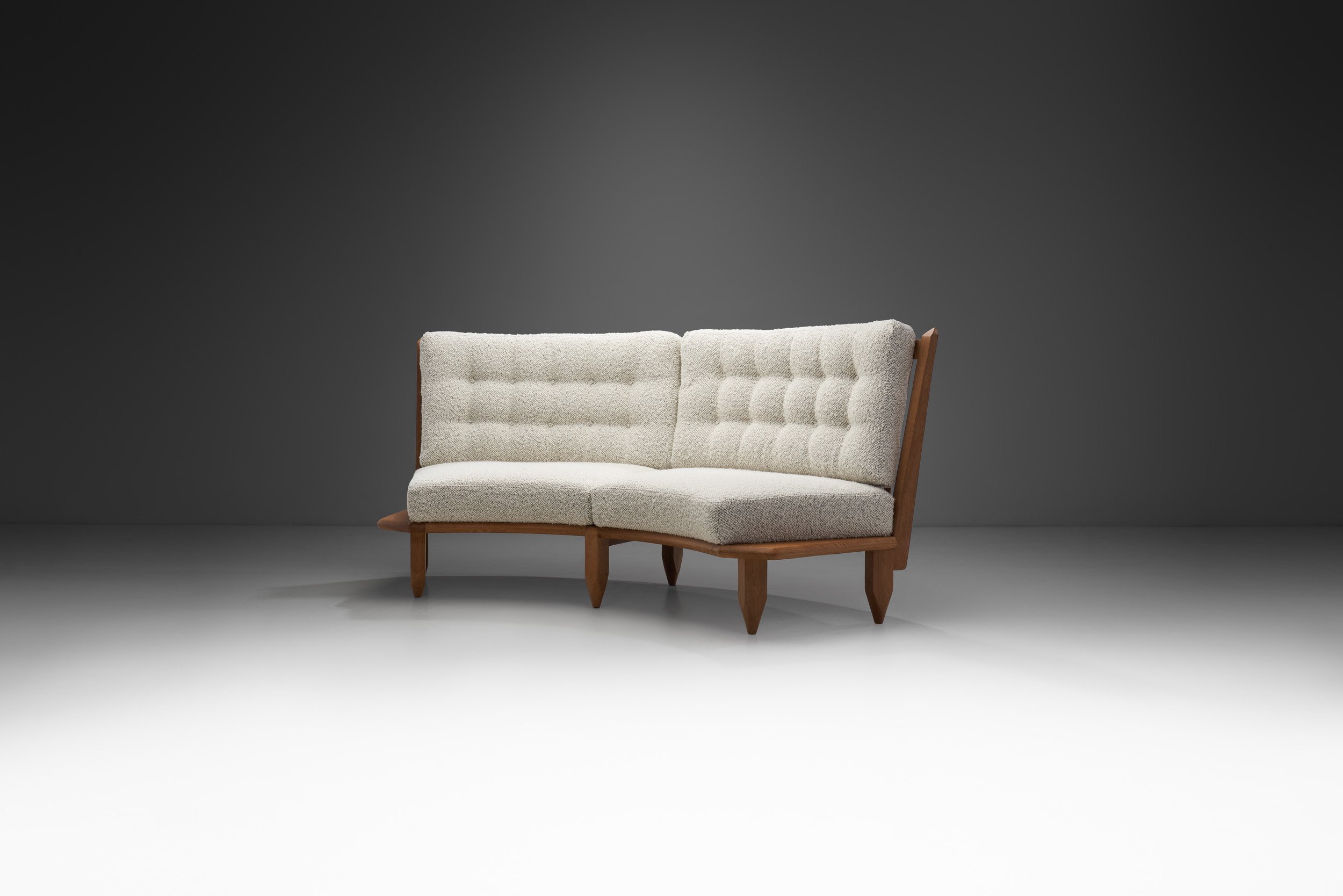
The best design characteristics of Guillerme and Chambron meet in this beautiful, artistic oaken sofa. The duo’s designs are exceptional for a wide array of reasons, starting from the solid oak as the main material to the masterfully crafted details and carvings.
Guillerme and Chambron are known for their high-quality, solid oak furniture created for their own company, Votre Maison. Like most of their designs, this sofa model displays a beautiful contrast between the oak frame and the elegant light fabric of the seat and back cushions. This model possesses the hallmarks of their production with the extended ends and thick pencil-shaped legs. With a solid wooden frame, the support for the back consists of oak slats arranged symmetrically, framed by the sculpted frame. The middle spindle is wider, separating the two sections of the sofa from the back. Like the middle slat, the two sides of the sofa also have a decorative, carved end and are joined in the middle at an angle that creates an appealing curve that further highlights the sculpted details. The backrest is slightly tilted for comfort, aided by the generous seat and back cushions upholstered in a premium bouclé fabric. The legs have a peculiar, heavily fluted shape. These details complete and distinguish the overall design, making this sofa unique and characteristic of Guillerme and Chambron at the same time. The woodworking and joinery truly show the overall quality. The solid oak frame is refined and the attention to the smallest detail shows the design and manufacturing skills of the French duo.
The company of the duo, Votre Maison marked the history of French design. Guillerme drew the furniture designs while Chambron played the part of salesman, and the power duo was working with master cabinetmaker, Émile Dariosecq, whose workshop took charge of the manufacturing. Together, they defined new furnishings concepts.
Condition:
In good vintage condition. Wear consistent with age and use. Some minor scratches on the wood. The sofa has been reupholstered recently in a premium bouclé fabric. Each of our items can be re-upholstered by our in-house atelier in a fabric of choice. Please reach out for more information.
Dimensions:
76.37 in W x 36.61 in D x 35.03 in H; Seat height 15.74 in
194 cm W x 93 cm D x 89 cm H; Seat height 40 cm
About the Designer:
Robert Guillerme graduated in 1934 from the École Boulle where he excelled in architecture and furniture design. After the Second World War he moved to Lille, in the north of France, where he decorated homes and designed furniture for the well regarded Rogier workshops.
In 1948, Guillerme was joined by his long-time friend, decorator Jacques Chambron in Lille. The following year Guillerme and Chambron met master cabinetmaker Émile Dariosecq, owner of a woodworking shop and the company Votre Maison was born. Together, they defined and imposed a new furniture concept. Thanks to their distinctive creativity, originality, and quality, the Votre Maison quickly became well-known.
The Votre Maison marked the history of French design. Guillerme drew the furniture designs while Chambron played the part of salesman, welcoming and advising clients. The power duo was complemented by Dariosecq, whose workshop took charge of the manufacturing. Together, they defined new furnishings concepts. Well-crafted chair back, polished wood and thick cushions make the reputation of their armchairs and sofas. Votre Maison continued to produce furniture right into the 20th century, with Jacques’s son Hervé Chambron, a designer and graduate of the École Boulle, having taken the over in 1983. ~H.

REQUEST PRICE HERE
Price category: 7,500 - 10,000 usd / eur
The influence of the Art Deco movement was significant on early Scandinavian modernism, resulting in a unique aesthetic mixture based on traditional craftsmanship and quality. In this beautiful and distinctive sofa, simple horizontal and vertical lines as well as the different materials are emphasized to create an outstanding design.
Danish modern furniture design revolutionized the world of interior decor through the collaboration of designer-architects and master cabinetmakers, the most skilled craftsmen. Danish modern furniture design embraced minimalism, functionality, and the use of natural materials. The cabinetmakers of Denmark played a pivotal role in this movement, combining their craftsmanship with innovative solutions to create pieces like this sofa. The defining feature of this sofa is its peculiar back shape, which extends on both sides, thus resembling “ears”. This element brings the attention to the arms as well, accentuating their shape and material. Exotic woods such as mahogany and rosewood were favoured for their unique grain patterns, durability, and rich hues. Danish designers believed that these woods brought warmth and character to their creations, elevating them beyond mere functionality. The carefully sculpted lines show off the attributes of the wood that contrast beautifully with the one-of-a-kind fabric. The stylish dual tone of the patterned bouclé fabric enhances the tufted buttons on the backseat and the vertical lines of the design alike.
This two-seater sofa is exemplary of the ingenuity and craftsmanship of Danish modern furniture design and of the knowledge of master cabinetmakers. Its peculiar back shape with reflects the movement's commitment to both form and function, while the use of exotic wood is a nod to Danish furniture makers’ desire to create pieces of enduring beauty and comfort.
Condition:
In vintage condition. Wear consistent with age and use. The sofa has been reupholstered recently in a premium bouclé fabric with a striped pattern. Each of our items can be re-upholstered by our in-house atelier in a fabric of choice. Please reach out for more information.
Dimensions:
60.23 in W x 28.34 in D x 32.67 in H; Seat height 17.32 in; Arm height 24.8 in
153 cm W x 72 cm D x 83 cm H; Seat height 44 cm; Arm height 63 cm
About the Designer:
This Danish-made sofa reflects the core traditions and ideals of Danish design, while recalling the shapes of the Art Deco movement. What both movements valued highly is the highest level of craftsmanship and attention to details.
Mid-century pieces such as this sofa were of great design, using fantastic wood like teak or beech. The mid-century was the heyday of the production by master craftsmen. Mid-century Danish design is world-famous for the partnership between designer and manufacturer, resulting in ground-breaking creations. The Danish design idiom was centred on warm woods, quality fabrics and gentle yet robust support for the spine - qualities that engender contentment and well-being, a defining characteristic of Danish culture. The “Great Danes” believed furniture should be shorn of aesthetic detail and be an amalgam of form and function.
A master cabinetmaker is not a carpenter, as this was a rare breed of craftsman who had to be recognized by the Danish government after several years of toiling at his craft, as well as having to ace gruelling design competitions before becoming a master cabinetmaker. Since Denmark was a special instance of tempered industrialization, it managed to preserve sound traditions and continue to safeguard values of craftsmanship, materiality, and usability.
Today, Danish furniture is sought after by collectors for classic looks, storied designs and solid quality, works that are truly soulful and timeless. ~H.

REQUEST PRICE HERE
Price category: 7,500 - 10,000 usd / eur
This model “Samspel” sofa was first introduced at the exhibition at Röhsska Museet (the Swedish Museum of Design and Crafts) in Gothenburg in 1956. The model’s name means ‘interaction’ in Swedish, which refers to not only Carl Malmsten’s design philosophy, but also to mid-century Swedish society.
Samspel is an honest classic in Swedish design history, as comfortable as it is fastidious in the expression. Sweeping curves with an organic impression and outmost quality: these are the main characteristics that define this sofa. Even as a young designer in the early 20th century, Carl Malmsten advocated an artisanal furniture design based on local ingredients and traditions, accessible to a wide audience. The main curvature is on the top of the back and continues to the sides forming one, flowing line. The armrests have subtle, outward curving “wings” that enhance the open and welcoming impression. The organicity of the design is not broken by any heavy ornamentation, instead the tufted, symmetrically arranged buttons on the back and the luxurious wool blend upholstery are utilized to further highlight the shape of the sofa. The design is completed by tapered, solid wood legs with a dark colour that contrasts nicely with the light upholstery.
Although Carl Malmsten’s furniture was very much a product of the thoughts and ideals of the time, they have a timeless quality that makes them equally up-to-date and loved today. This is especially true for Samspel, a much loved and coveted model that, after many years of rest, was put back into production by O.H Sjögren in 2016.
Condition:
In good vintage condition. Wear consistent with age and use. The sofa has been reupholstered in a premium wool blend fabric. Each of our items can be re-upholstered by our in-house atelier in a fabric of choice. Please reach out for more information.
Dimensions:
61.02 in W x 31.49 in D x 35.03 in H; Seat height 15.74 in; Arm height 24.01 in
155 cm W x 80 cm D x 89 cm H; Seat height 40 cm; Arm height 61 cm
About the designer:
Carl Malmsten (December 7, 1888 – August 13, 1972) was a Swedish furniture designer, architect, and educator. Malmsten was born in Stockholm, Sweden. Malmsten's career took off when he won a competition in 1916 to design furniture for the Stockholm City Hall and shortly after, in 1917, he exhibited alongside well-known Swedish architects such as Gunnar Asplund and Uno Åhrén.
In the 1920s he was invited to furnish a room for the crown prince, Gustaf VI Adolf, and his wife Louise in Ulriksdal Palace. He was honoured with an inaugural Prince Eugen Medal for design in 1945. Already as a young designer in the early 20th century, Carl Malmsten advocated an artisanal furniture design based on local ingredients and traditions, available to a wide audience at a reasonable price.
Nature was Carl Malmsten's foremost teacher and source of inspiration. He conveyed his love of craftsmanship as a teacher in his own schools, at Olofskolan in Stockholm, Capellagården on Öland and the Carl Malmsten school on Lidingö, today a branch of Linköping University and one of the country's leading design colleges. As a debater, Malmsten stormed against functionalism, but in retrospect it can be seen that his ideas often coincided with the rational and frugal style ideals of function.
Malmsten has had a lasting influence on Swedish furniture design through the two schools he founded—the Carl Malmsten Furniture Studies (Carl Malmstensskolan), which has been a part of Linköping University since 2000, is situated on the island of Lidingö on the outskirts of Stockholm. Carl Malmsten spoke about the importance of tradition, craftsmanship and the nation. His furniture was in many ways a product of the thoughts and ideals of the time, they have a timeless quality that makes them just as relevant and loved today. ~H.
REQUEST PRICE HERE
Price category: 20,000 - 30,000 usd / eur
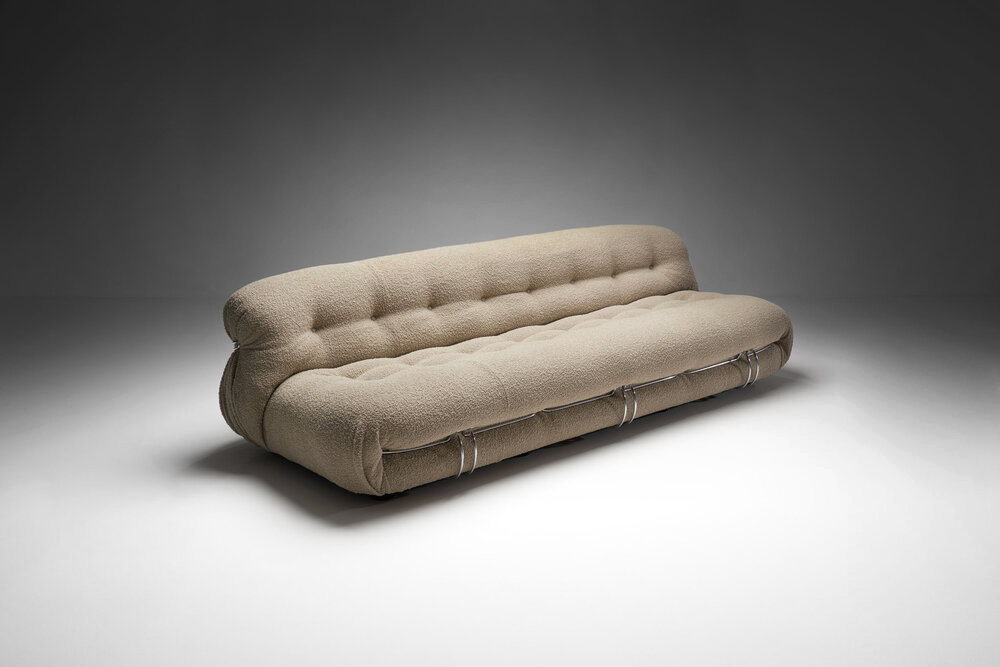
The “Soriana” three-seat bouclé sofa was designed by the Italian designer duo, Afra and Tobia Scarpa in 1969. Besides its innovative manufacturing, visually,Soriana brings sophisticated and leisurely comfort to any home.
This Post-Modern sofa was manufactured by Cassina as part of the eponymous line that reached the coveted ‘iconic’ title soon after its launch. The award-winning design features three front metal clamps by which all soft curves and loose upholstery are held together, a particularly original detail that creates a sense of barely contained softness. The Soriana collection was meant to express beauty and comfort by using a whole bundle of fabric held by chrome-plated steel clamps. The defining upholstered body features tufted buttons all over it, which visually sections the sofa, while also adding depth to accentuate the softness. The interesting pairing of the metal clamps with the luxurious bouclé creates the post-modern look. For all its casual overtures, this sofa model remains a statement piece — an icon of contemporary design
The “Soriana Chair” was the first piece designed in the collection, and for its design in 1970, it won the Compasso d'Oro, one of the most important design awards of that time. The design has been reissued by Cassina recently, with the aim of recovering and safeguarding the works of Afra and Tobia Scarpa.
Condition:
In very good condition. The sofa has been reupholstered recently in a premium bouclé fabric. Each of our items can be re-upholstered by our in-house atelier in a fabric of choice. Please reach out for more information.
Dimensions:
99.60 in W x 38.58 in D x 24.80 in H; Seat Height 15.15 in
253 cm W x 98 cm D x 63 cm H; Seat Height: 38.5 cm
Literature:
G. Gramigna, Repertorio del Design Italiano 1950-2000 per l’Arredamento Domestico. Turin: Allemandi 2003, p. 318
G. Bosoni, Made in Cassina. Milan: Skira, 2008, pp. 200-201.
About the designers:
Afra and Tobia Scarpa graduated at the Istituto Universitario di Architettura in Venice and formed one of the most successful and known professional associations. Their works can be found in museums across the USA and Europe such as the MoMA and the Louvre. Their designs like the Soriana sofa exhibit a decidedly modernist aesthetic, prioritizing pared-back elegance and comfort. At the same time, the Scarpas are admired for the ease with which their designs complement both classical and cutting-edge interiors.
The Soriana was created for the Italian manufacturing company Cassina, which is often credited with introducing industrial design to Italy and has built an international reputation for collaborating with some of the world’s most respected designers, including Afra and Tobia Scarpa.
The husband-and-wife duo’s products played an important role in the history of Italian Design and are thriving in the Mid-Century market. The Soriana sofa is a collectors’ piece and part of the history of Italian design destined to increase in value with the time. A piece of true Italian Modernism. ~H.
REQUEST PRICE HERE
Price category: 7,500 - 10,000 usd / eur
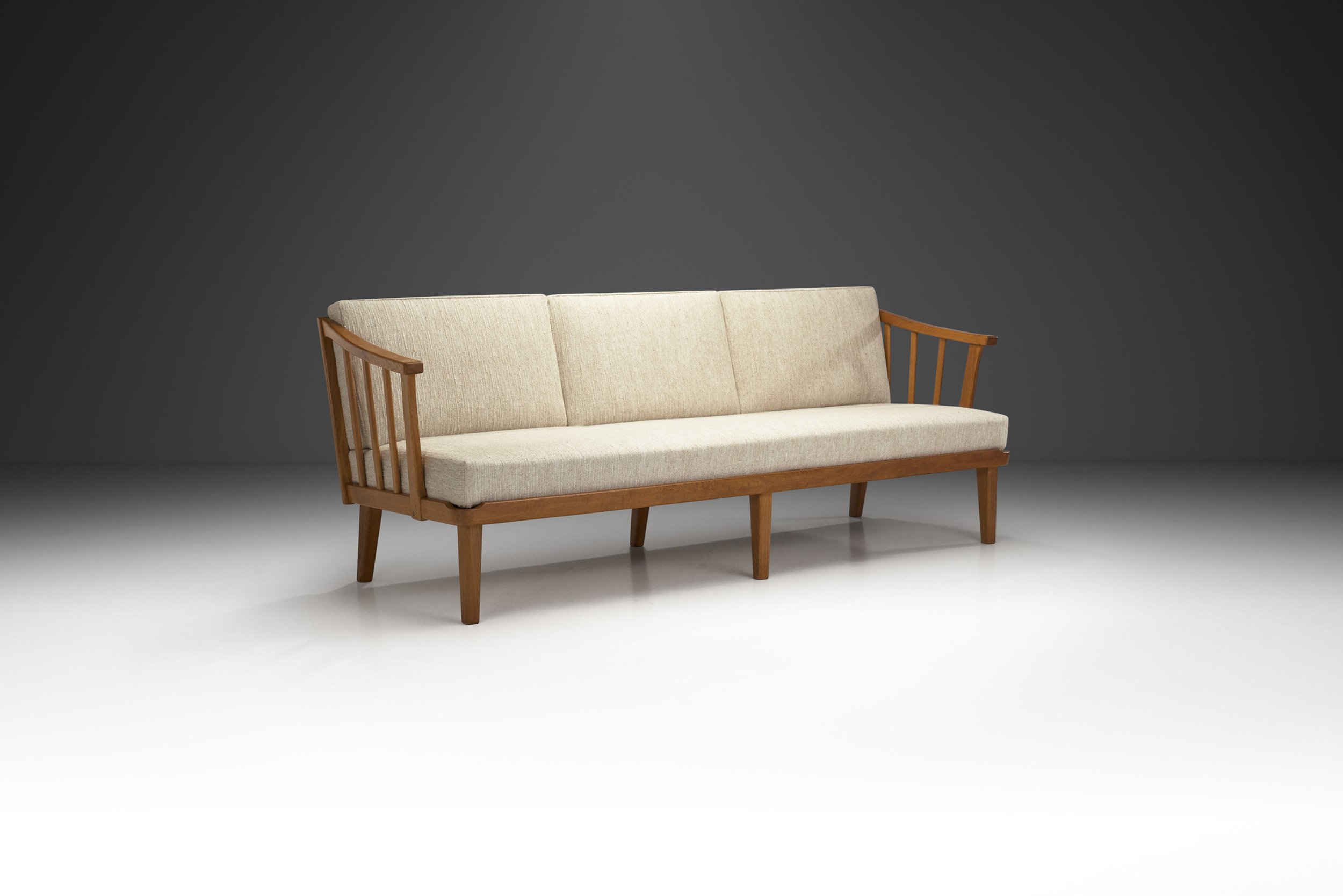
The famous “Visingsö” series demonstrates Carl Malmsten’s fine sense of proportion, line tension and balance between the surfaces, and how skilfully he carried in the heritage of traditional allmoge (folk art) design.
This Visingsö three-seater sofa is – design-wise- in the vein of Swedish modernism, with simplicity and functionality, while also showcasing the subtle details and quality Malmsten is known and appreciated for. Even though Swedish design is generally democratic and meant for the masses, pieces were not stripped of all beauty in order to make them as easy to use as possible. The importance of this balance can be identified in the design and execution of this sofa as well: The oak spindles comprising the back are the most apparent visual feature of the design, while the more subtle details, such as the descending angle of the arms and seat framing the seat cushion make this model interesting. These details show a great balance of lines and utilization of the natural beauty of the oak. The solid wooden structure is a frame for the cushions both in a literal and figurative way. The light bouclé fabric is beautifully framed by the wood, highlighting the interesting texture of both materials. The three back and seat cushions are quite rotund; therefore, the sitting comfort is great. The three pairs of tapered legs match and highlight the spindles of the back. Malmsten’s fine sense of proportion, line tension and balance between the surfaces, and how skilfully he carried in the heritage of traditional allmoge (folk art) design is evident in this sofa.
This three-seater Visingsö sofa is an elegant and comfortable evidence of the mastery and artistry of Carl Malmsten, who defined mid-20th century Swedish modern seating. The manufacturer, O. H. Sjögren, was a renowned workshop, materializing a great deal of Malmsten’s most brilliant designs. This sofa is therefore of the highest quality, both in terms of materials and craftsmanship.
Condition:
In good vintage condition. Wear consistent with age and use. The sofa has been reupholstered recently in premium bouclé fabric. Each of our items can be re-upholstered by our in-house atelier in a fabric of choice. Please reach out for more information.
Dimensions:
78.74 in W x 30.70 in D x 31.10 in H; Seat height 16.92 in; Arm height 25.19 in
200 cm W x 78 cm D x 79 cm H; Seat height 43 cm; Arm height 64 cm
About the designer:
Carl Malmsten (December 7, 1888 – August 13, 1972) was a Swedish furniture designer, architect, and educator. Malmsten was born in Stockholm, Sweden. Malmsten's career took off when he won a competition in 1916 to design furniture for the Stockholm City Hall and shortly after, in 1917, he exhibited alongside well-known Swedish architects such as Gunnar Asplund and Uno Åhrén.
In the 1920s he was invited to furnish a room for the crown prince, Gustaf VI Adolf, and his wife Louise in Ulriksdal Palace. He was honoured with an inaugural Prince Eugen Medal for design in 1945. Already as a young designer in the early 20th century, Carl Malmsten advocated an artisanal furniture design based on local ingredients and traditions, available to a wide audience at a reasonable price.
Nature was Carl Malmsten's foremost teacher and source of inspiration. He conveyed his love of craftsmanship as a teacher in his own schools, at Olofskolan in Stockholm, Capellagården on Öland and the Carl Malmsten school on Lidingö, today a branch of Linköping University and one of the country's leading design colleges. As a debater, Malmsten stormed against functionalism, but in retrospect it can be seen that his ideas often coincided with the rational and frugal style ideals of function.
Malmsten has had a lasting influence on Swedish furniture design through the two schools he founded—the Carl Malmsten Furniture Studies (Carl Malmstensskolan), which has been a part of Linköping University since 2000, is situated on the island of Lidingö on the outskirts of Stockholm. Carl Malmsten spoke about the importance of tradition, craftsmanship and the nation. His furniture was in many ways a product of the thoughts and ideals of the time, they have a timeless quality that makes them just as relevant and loved today. ~H.
REQUEST PRICE HERE
Price category: 7,500 - 10,000 usd / eu
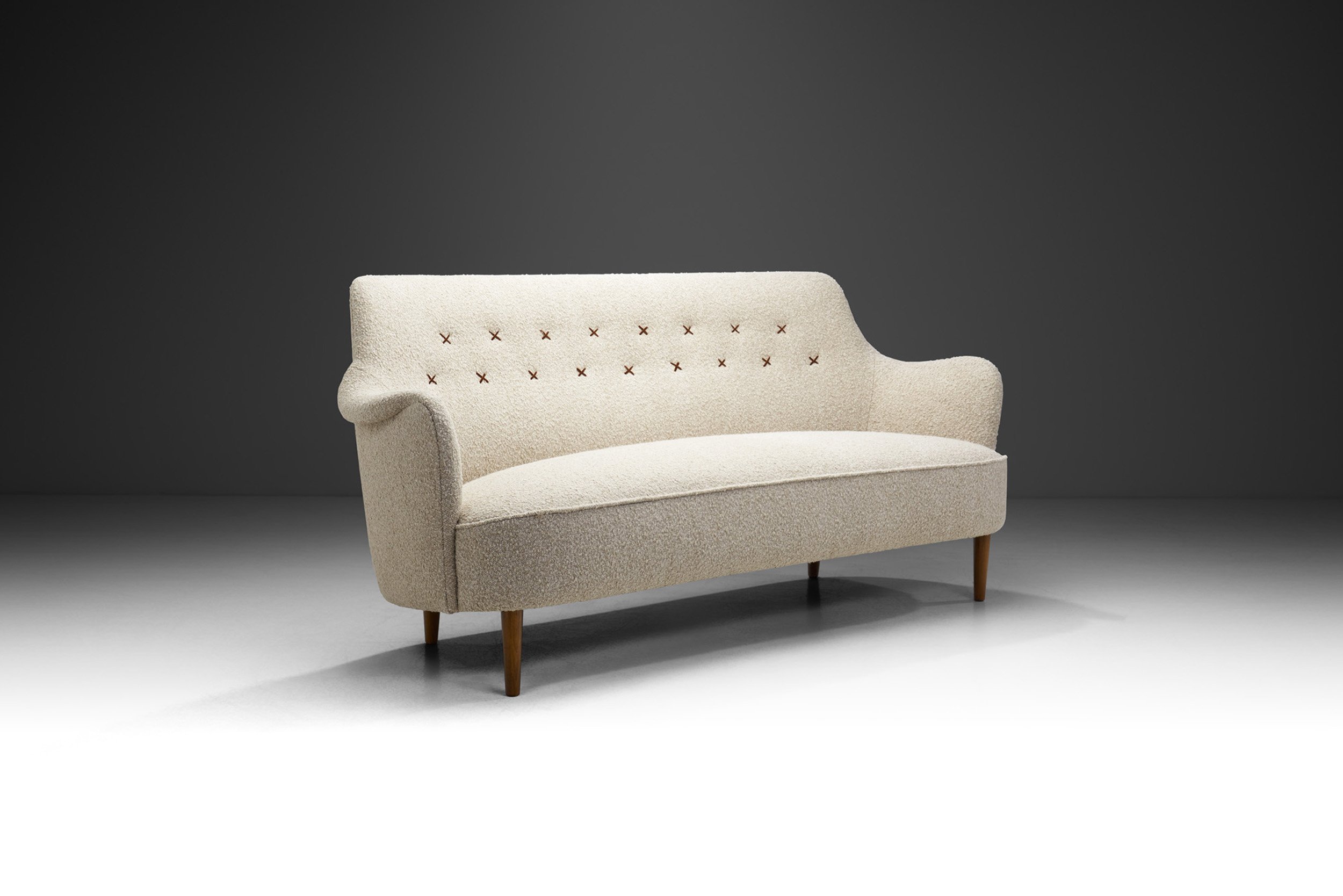
“Samsas” is for many the most associated series with Carl Malmsten. The designer devoted his life to the renewal of traditional Swedish craftsmanship, inspired by Swedish country manors and rustic styles. In this spirit, Samsas is today regarded as the most typical of Malmsten’s furniture.
This Samsas sofa is a classic with a solid wood frame and was manufactured by O.H. Sjögren in Tranås. Its aesthetic expression is defined by comfort with a big form, fine lines and details – and the feeling of togetherness. As the name suggests (to get on well together), Samsas was designed to be a part of a cosy environment, and to bring people together. This sofa model is a part of a family, along with two different sofas and a chair to combine with each other. Despite its gentle appearance, this sofa has a sturdy structure that was created to last. The upholstered body has a welcoming design with outward curving armrests, a wide backrest with cross stitches, and a generous seat. The beautiful tapered, wooden legs are a modern detail that balance out the fully upholstered body. The light bouclé upholstery further adds to the warm and cosy aesthetic of this three-seater sofa.
Samsas is conceived as a model for pleasant socializing and as such, it has been beloved for over 50 years. In other words, a timeless and durable model. Carl Mlamsten’s furniture was in many ways a product of the thoughts and ideals of the time, they have a timeless quality that makes them just as relevant and loved today.
Condition:
In good vintage condition. Wear consistent with age and use. The sofa has been reupholstered recently in premium bouclé fabric. Each of our items can be re-upholstered by our in-house atelier in a fabric of choice. Please reach out for more information.
Dimensions:
72.83 in W x 30.31 in D x 33.85 in H; Seat height 15.74 in; Arm height 23.62 in
185 cm W x 77 cm D x 86 cm H; Seat height 40 cm; Arm height 60 cm
About the designer:
Carl Malmsten (December 7, 1888 – August 13, 1972) was a Swedish furniture designer, architect, and educator. Malmsten was born in Stockholm, Sweden. Malmsten's career took off when he won a competition in 1916 to design furniture for the Stockholm City Hall and shortly after in 1917, he exhibited alongside well-known Swedish architects such as Gunnar Asplund and Uno Åhrén.
In the 1920s he was invited to furnish a room for the crown prince, Gustaf VI Adolf, and his wife Louise in Ulriksdal Palace. He was honoured with an inaugural Prince Eugen Medal for design in 1945. Already as a young designer in the early 20th century, Carl Malmsten advocated an artisanal furniture design based on local ingredients and traditions, available to a wide audience at a reasonable price.
Nature was Carl Malmsten's foremost teacher and source of inspiration. He conveyed his love of craftsmanship as a teacher in his own schools, at Olofskolan in Stockholm, Capellagården on Öland and the Carl Malmsten school on Lidingö, today a branch of Linköping University and one of the country's leading design colleges. As a debater, Malmsten stormed against functionalism, but in retrospect it can be seen that his ideas often coincided with the rational and frugal style ideals of function.
Malmsten has had a lasting influence on Swedish furniture design through the two schools he founded and regularly spoke about the importance of tradition, craftsmanship, and the nation. His furniture was in many ways a product of the thoughts and ideals of the time, they have a timeless quality that makes them just as relevant and loved today. ~H.
REQUEST PRICE HERE
Price category: 12,500 - 15,000 usd / eur
This beautiful Danish three-seater sofa features the recognizable touch of Danish Modernism: exquisite materials, craftsmanship, and an elegantly curved shape, because of which this type of sofa is often referred to as the “banana” or “boomerang” style.
The visual appearance of this sofa echoes Danish design and directs the eyes to the voluptuous body, that is the result of the exquisite craftsmanship. Many of the well-known Danish architects of the era felt the urge to try their hand at three-seater sofas, adhering to the period’s streamlined modernism. In combination with the unadorned styles of mid-century design, this sofa brings together the best attributes of the era. The rounded conical wood legs add an organic feel, while also matching the rounded profile of the sofa. The back legs differ from the front ones as they are tapered to reinforce the sofa’s stability. The masterful sense of proportions, the curved back and the soft upholstery guarantee functionality and comfort. While most curved sofas of the era feature tufting and other forms of decoration, this model is free from unnecessary ornamentation, resulting in a sleek, elegant and modern look. This sofa has been reupholstered in a premium light bouclé fabric, accentuating the stained wooden legs and the luxurious feel and look.
Derived from the French word meaning “curled” or “ringed,” bouclé provides a unique range of benefits; it is abundant in texture yet breathable. This durable fabric makes for an easy way to add instant texture and interest to any modern space, and despite its resurgence around 2020, is a timeless trend with longevity that will stand the test of time. Bouclé pairs incredibly well with curvilinear shapes as demonstrated by this sofa.
Condition:
In good vintage condition. Wear consistent with age and use. The sofa has been reupholstered recently in a premium bouclé fabric. Each of our items can be re-upholstered by our in-house atelier in a fabric of choice. Please reach out for more information.
Dimensions:
78.14 in W x 43.50 in D x 29.13 in H
200 cm W x 110,5 cm D x 74 cm H
About the Designer:
This Danish-made sofa reflects the core traditions and ideals of Danish design, while recalling the shapes of the Art Deco movement. What both movements valued highly is the highest level of craftsmanship and attention to details.
Mid-century pieces such as this early sofa were of great design, using fantastic wood like teak or beech. The mid-century was the heyday of the production by master craftsmen. Mid-century Danish design is world-famous for the partnership between designer and manufacturer, resulting in ground-breaking creations. The Danish design idiom was centred on warm woods, quality fabrics and gentle yet robust support for the spine - qualities that engender contentment and well-being, a defining characteristic of Danish culture. The “Great Danes” believed furniture should be shorn of aesthetic detail and be an amalgam of form and function.
A master cabinet-maker is not a carpenter, as this was a rare breed of craftsman who had to be recognized by the Danish government after several years of toiling at his craft, as well as having to ace gruelling design competitions before becoming a master cabinet-maker. Since Denmark was a special instance of tempered industrialization, it managed to preserve sound traditions and continue to safeguard values of craftsmanship, materiality and usability.
Today, Danish furniture is sought after by collectors for classic looks, storied designs and solid quality, works that are truly soulful and timeless. ~H.