
Hans Wegner 'AT 308' Oak Coffee Table With Cross-leg Frame, Denmark 1950s (sold)





Hans Wegner 'AT 308' Oak Coffee Table With Cross-leg Frame, Denmark 1950s (sold)
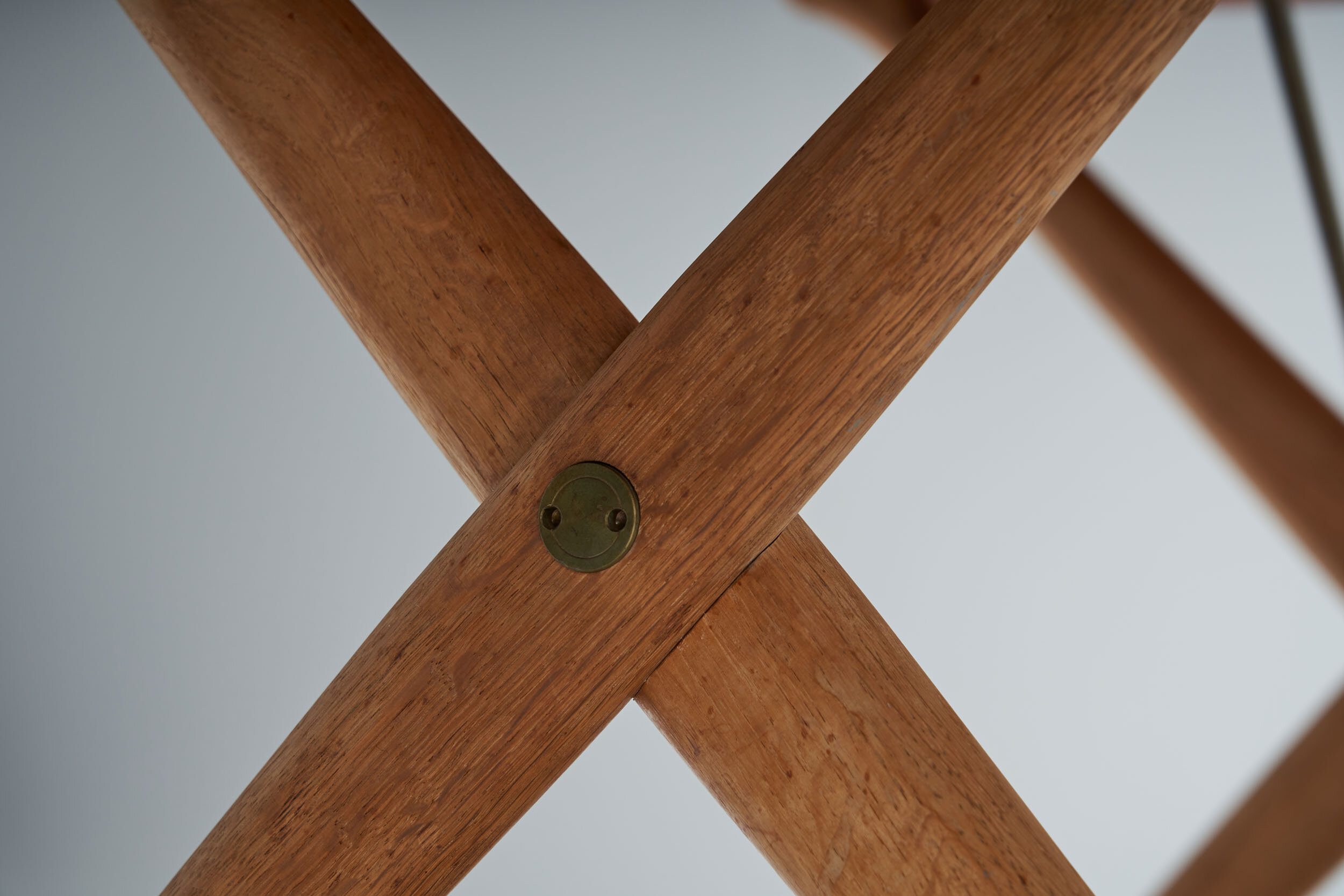
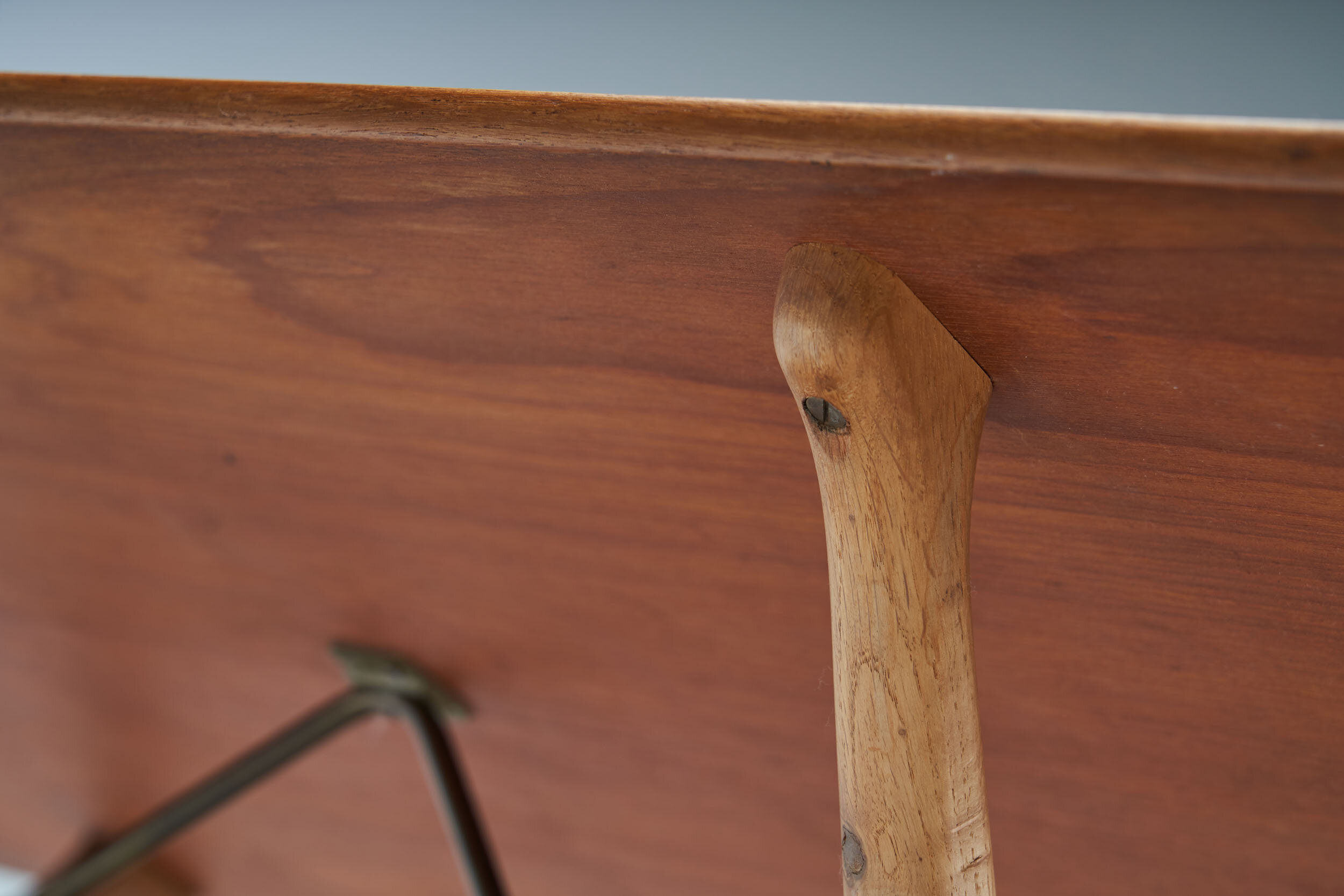
Hans Wegner 'AT 308' oak coffee table with cross-leg frame, Denmark 1950s. Manufactured and marked by Andreas Tuck, Odense. This coffee table has a grain that has come out beautifully over time, the slender cross legs are strengthened by thin metal struts, which hold the crossed legs together, while emphasizing the light and floating design.
About the designer :
Hans J. Wegner became world-renowned for his chairs, but he also designed a broad range of tables, where he was just as thorough and artistic on the proportions, construction, function and style as with the design of his chairs. To Wegner, the most important part of this type of furniture was not the table top, but rather what was underneath. For the supporting structure he was, as with many of his other designs, heavily inspired by furniture designs of the past and here he used cross legs, which have a long tradition in history and are for example known from 17th century Spanish tables.
Dimensions:
39.38 in. W x 23.63 in. D x 21.46 in. H
100 cm W x 60 cm D x 54.5 cm H
Literature:
“Dansk Kunsthåndværk” no. 11, November 1951.

REQUEST PRICE HERE
Price category: 2,500 - 5,000 usd / eur
With its distinctive structure, this table epitomizes the search for new systems of joinery during the mid-century era, when material and design became the lead factors in achieving stability, durability, and of course, an aesthetically pleasing outcome.
Without heavy ornamentation, the viewer's eyes fall on the beautiful silhouette and quality materials. From the use of wood to the Formica top, the piece shows intention and proves experienced cabinetmaking. The use of Formica, a hard plastic laminate, gained popularity in the mid-20th century and continues to capture the attention of interior designers and design enthusiasts today. Moreover, the wood base is sculpted to perfection, the level of woodwork and precise joinery technique greatly shows off the skills of the craftsman, as the separated wooden parts appear to flow into each other effortlessly. The overall form of the table has a light and airy feel, enhancing the mid-century modern aesthetic. With its elegant shape and careful design, this piece rises above the endless passing of trends, establishing itself as a modern classic in the realm of interior design.
Like most mid-century pieces, this table is sure to enhance the daily lives of its users through its visually pleasing and functional design that is timeless in every sense of the word.
Condition:
In good vintage condition. Wear consistent with age and use.
Dimensions:
37.99 in W x 22.44 in D x 17.32 in H
96.5 cm W x 57 cm D x 44 cm H
REQUEST PRICE HERE
Price category: 7,500 - 10,000 usd / eur
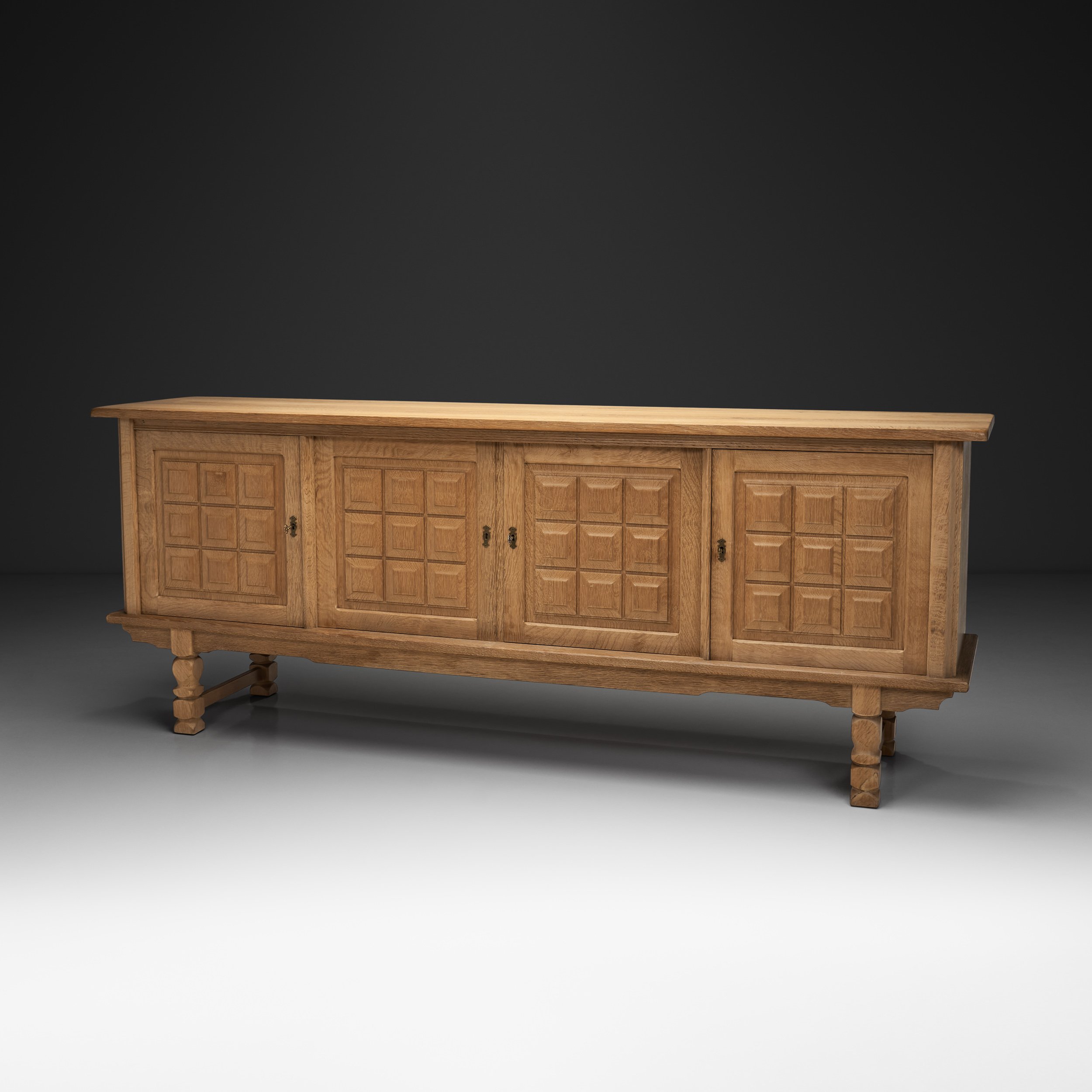
“Danish Modern” is a recognised term around the world, standing for the characteristic style of Danish design created during the mid-20th century. The design of this sideboard is focused on the aesthetics of modernism whilst employing the exquisite technique and material familiarity of a highly skilled craftsman - Henning Kjaernulf.
This sideboard is defined by its long silhouette and commanding proportions. The front features a series of panelled doors arranged in a strict geometric grid, creating a powerful sense of rhythm across the surface. Each panel adds depth and shadow, allowing light to interact dynamically with the carved wood. Raised on sturdy carved legs, the sideboard maintains a grounded presence while avoiding visual heaviness. The warm-toned wood softens the severity of the geometry, revealing subtle grain patterns and tonal variation throughout. Hinges and hardware are understated, allowing the structure itself to remain the focal point. The interior offers generous storage, making the piece as practical as it is visually impactful.
Today, this sideboard stands as a sculptural statement piece that bridges function and design history. Its bold geometry and refined craftsmanship allow it to anchor both contemporary and eclectic interiors with ease. Whether placed in a dining room, living space, or even bedroom, it offers strong visual identity without sacrificing usability.
Condition:
In good vintage condition. Wear consistent with age and use. The sideboard has recently been reconditioned. The item has visible marks and scratches. Due to the nature and age of the wood, the item may show discolouration, especially on the top.
Dimensions:
92.91 in W × 20.86 in D × 35.62 in H
236 cm W x 53 cm D x 90.5 cm H
REQUEST PRICE HERE
Price category: 20,000 - 30,000 usd / eur
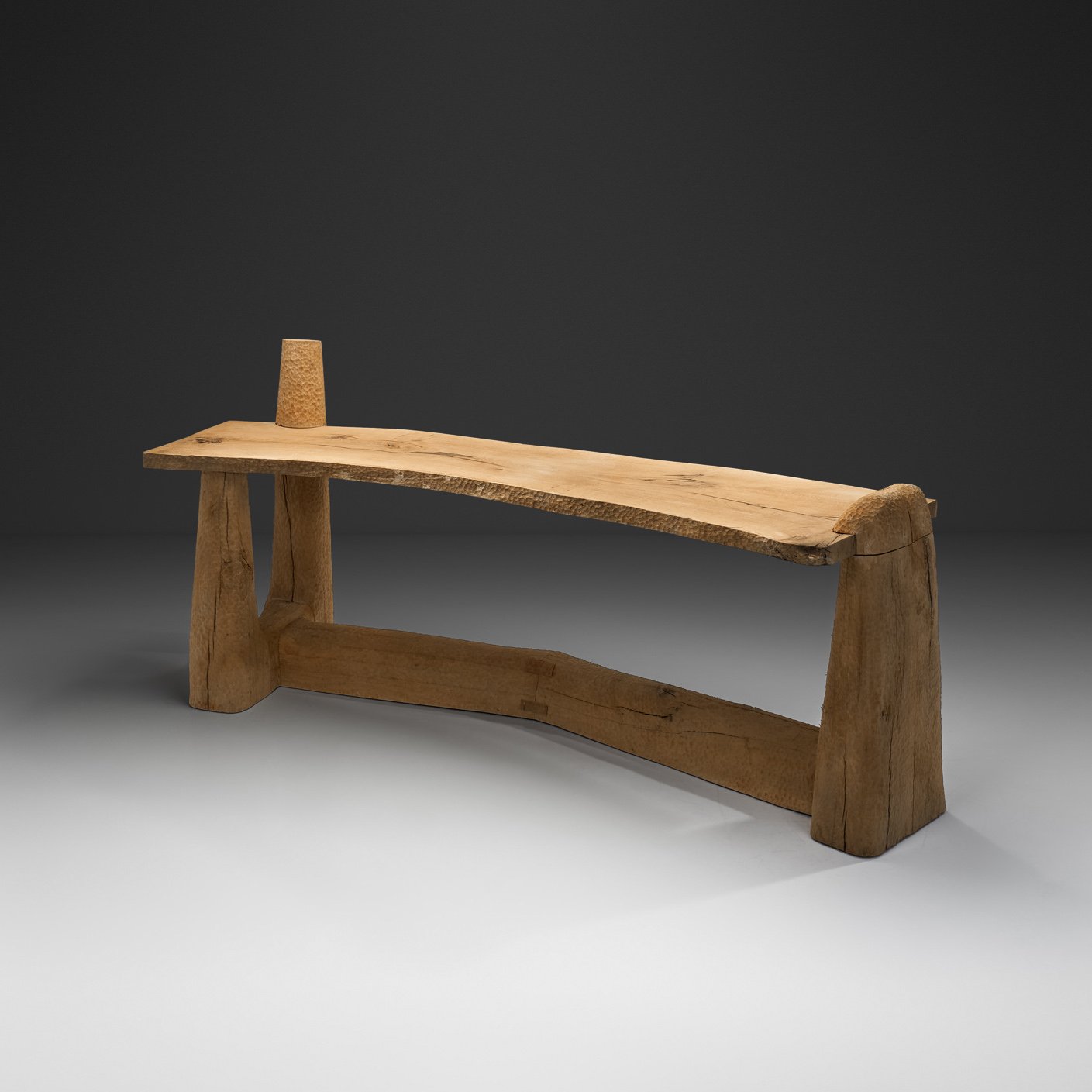
Generally, Czech mid-century modern designs tend to be more sober than their French, German, American, and even Scandinavian counterparts. However, works by Pavel Novak are an exception - as evidenced by this large desk. While his genius is evident in his work, the Czech designer’s repertoire is finally starting to surface, and as this piece shows, we are lucky to witness it.
Novak often worked with a gouge, that originally never had any other vocation than to furnish his farm. Part of this table is made of hand gouged oak, which is in itself a time-consuming and rare woodcarving technique. While most woodworkers offer help with fixing gouges in wood, Novak used the technique to create this rustic looking body that can be considered to be a functional sculpture. Thanks to the unique, hand-carved texture, the table is one of a kind, with an inimitable pattern .
This solid wood table, with its natural finish, exemplifies the enduring charm and warmth that mid-century design continues to bring to contemporary interiors, underscoring the timeless appeal of this iconic design era.
Condition:
In good vintage condition. Wear consistent with age and use. The desk has recently been reconditioned. Due to the nature and age of the wood, the item may have some marks, scratches, and discolouration.
Dimensions:
88.98 in W x 26.78 in D x 39.97 in H
226 cm W x 68 cm D x 101.5 cm H

REQUEST PRICE HERE
Price category: 2,500 - 5,000 usd / eur
This lovely bookcase designed by Grete Jalk for P. Jeppesen reflects the Danish designer’s aesthetic—clean and highly functional, yet creative.
Danish mid-century pieces were often created with a functional purpose in mind, rather than decorative, as this bookcase exemplifies. Elegant in its simplicity, it puts the emphasis on showcasing the material through a simple, uncluttered design. This model deserts any unnecessary ornamentation in favour of the traditional Danish design philosophy, which centres around craftsmanship and practicality. A “bogkasse”, or bookcase is an essential and timeless piece of furniture in Scandinavian homes, where it serves both a practical and an aesthetic role. This piece features exposed shelves and thanks to their arrangement and the large surfaces, the beautiful grain of the wood is highlighted. The wood grain is warm and expressive, enhanced by a natural finish that highlights the material’s inherent richness. The bookshelf’s open and airy design offers a sense of visual lightness, making it equally suited to display treasured books or decorative objects. The shelves are gracefully integrated, offering both structural integrity and stylistic coherence.
A timeless piece, this bookshelf embodies the era’s philosophy of democratic design—functional, beautiful, and enduring. It serves not only as a practical storage solution but also as a quiet statement of mid-century Danish elegance. Ideal for modern interiors, it remains a collectible example of postwar Scandinavian design at its finest.
Condition:
In good vintage condition. Wear consistent with age and use. The vertical shelves are adjustable. Minor marks and scratches.
Dimensions:
42.51 in W x 11.61 in D x 46.65 in H
108 cm W x 29.5 cm D x 118.5 cm H
REQUEST PRICE HERE
Price category: 7,500 - 10,000 usd / eur
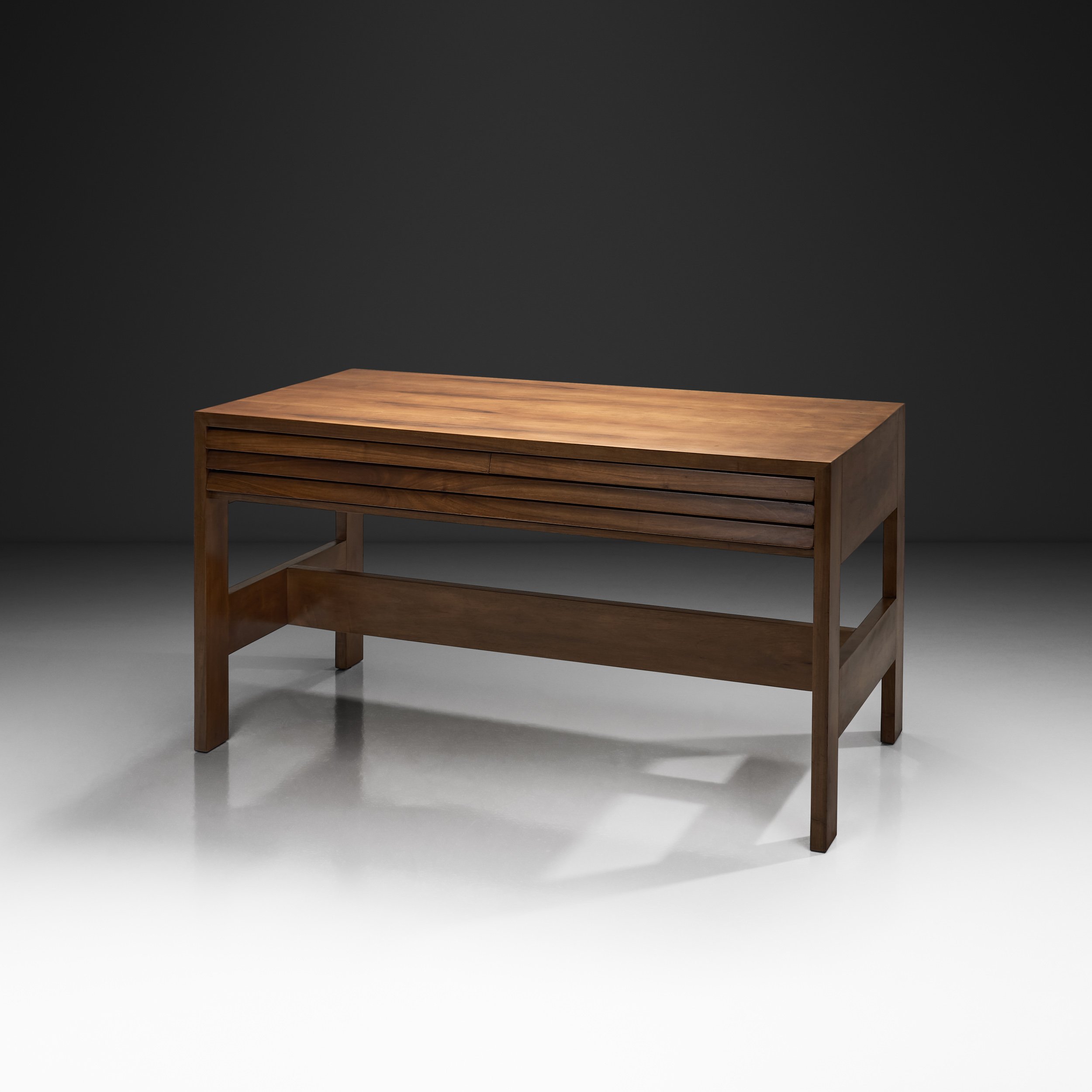
The 1960s saw furniture makers apply the principles of modern design to increasingly versatile pieces. As homes became increasingly modern, desks were no longer treated as purely utilitarian objects but as pieces of furniture expected to integrate naturally within a living space. Designers responded by refining forms, adding sleek storage, and placing greater emphasis on the visual lightness of their creations. The result was furniture that remained highly functional while maintaining a distinctly architectural character.
At first glance, this 1960s desk appears simple. The rectangular top rests within a clean, open framework, creating a silhouette that feels balanced and remarkably precise. Closer inspection reveals its most distinctive feature: three integrated drawers concealed behind a series of horizontal fronts. This detail looks like a simple aesthetic detail, while it showcases the designer’s concern with practicality. The stacked drawer fronts create a subtle rhythm across the front without disturbing the calm geometry of the piece. When opened this detail creates a layered effect that captivates the eye and emphasizes the horizontal construction. The warm tone of the wood further enhances the design. The open sides prevent the desk from appearing heavy, while the strong stretcher below reinforces the structure and contributes to its clear architectural presence.
What makes this desk particularly successful is the way storage is incorporated into the overall composition. Rather than reading as separate functional elements, the drawers become part of the design itself. The piece carries the quiet confidence associated with the best Italian modern furniture, where proportion, practicality, and visual clarity work together effortlessly.
Condition:
In good vintage condition. Wear consistent with age and use. The desk has recently been reconditioned. Due to the age and nature of the material, the item has minor scratches and dents, and may have additional marks or discolouration.
Dimensions:
59 in W x 30.3 in D x 31.6 in H
150 cm W x 77 cm D x 80.5 cm H
REQUEST PRICE HERE
Price category: 5,000 - 7,500 usd / eur
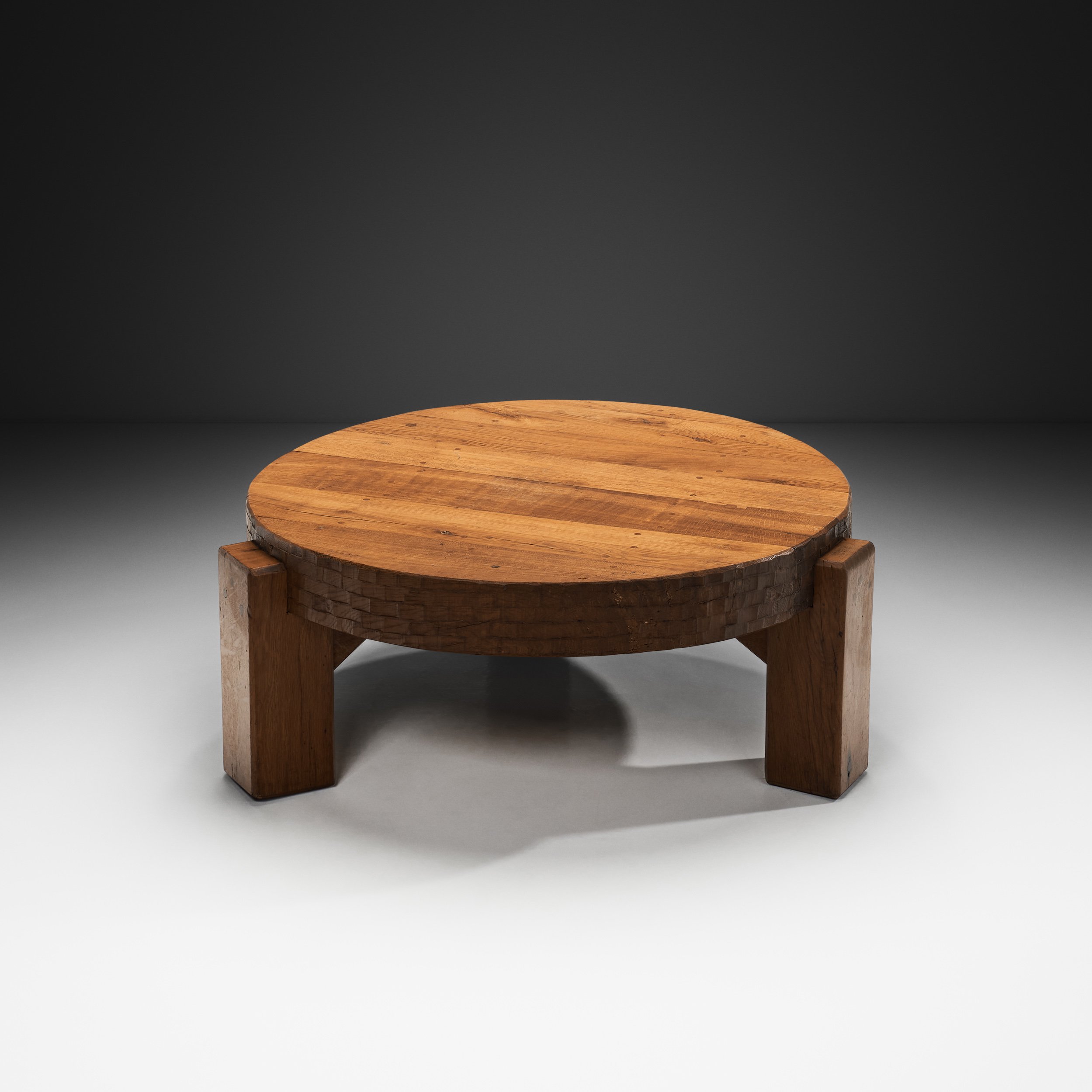
In European mid-century furniture design, there was an early emphasis on wood because it connected everyday objects to nature. This solid oak coffee table is a perfect example of this sentiment, and features the visual qualities of an understated, organic design.
Within the thriving Dutch design landscape of 1970s, Brutalist furniture left an indelible mark and this coffee table shows why as it epitomises the era's aesthetic medley. Crafted from solid oak, the wood’s hues exude warmth amidst the starkness that defines the Brutalist design. This piece has a strong elemental feel to it, which is a result of its thick round tabletop and sturdy yet sleek legs. The Netherlands embraced Brutalism as a rejection of ornate embellishments, opting for raw, utilitarian forms. Oak became the material of choice for many pieces during this time due to its durability and malleability, enabling intricate yet robust constructions. This coffee table exemplifies this, with its neat woodworking and sharp angles connecting the legs with the round top. The table top is layered, with its edge showing the beauty or organically carved wood. The contrast of sleek lines against the natural grain of oak echoes the broader Brutalist ethos: blending the industrial with the natural in a bold, unapologetic way.
The craftsman’s handiwork is visible throughout the table, adding to its character. The piece, with its natural finish, exemplifies the enduring charm that 20th century design continues to bring to contemporary interiors, underscoring the timeless appeal of this iconic design era.
Condition:
In good vintage condition. Wear consistent with age and use. The table has recently been reconditioned. Minor scratches and dents are present. Due to the nature and age of the material, the item may have some marks and discolouration.
Dimensions:
47.63 in ø x 19.88 in H
121 cm ø x 50.5 cm H

REQUEST PRICE HERE
Price category: 7,500 - 10,000 usd / eur
By the mid-1980s, the modern and urban aesthetic was the epitome of cool. Tubular furniture, glass-topped tables, chrome finishes and glass bricks all became ‘must have’ items. Lother Klute created pieces in line with the trend, designing a plethora of glass-topped tables, and this one is a perfect example of the era’s style.
Utilising and highlighting the qualities of the materials used, combined with the expertise of Lother Klute, this coffee table is a beautiful piece that can both dominate and complement a modern space. The coffee table's round glass top showcases an appealing textural look. As a result, the impression is quite elemental and striking. The dark colour of the patinated solid brass that forms the structure of the table contrast beautifully with the top, as its robustness grounds the design. The combination of materials make this table a stylish example of the period’s design versatility. From the thick bubble glass, to the durable and resistant brass, this piece is made to last. Coffee tables, in general, serve as design staples in living spaces for a multitude of reasons: beyond their utilitarian function of providing a surface for drinks and books, they anchor a room, creating a focal point around which furniture and conversation revolve. Overall, the table equally emphasizes function and visual interest, creating an instantly arresting aesthetic.
This piece is a representation of German Post-Modernist design from the 1980s, an interesting phase of cultural and social impacts with creatives trying to figure out a way towards leaving their mark on the design world.
Condition:
In good vintage condition. Wear consistent with age and use.
Dimensions:
42.52 in ⌀ x 20.08 in H
108 cm ⌀ x 51 cm H
REQUEST PRICE HERE
Price category: 30,000 - 40,000 usd / eur
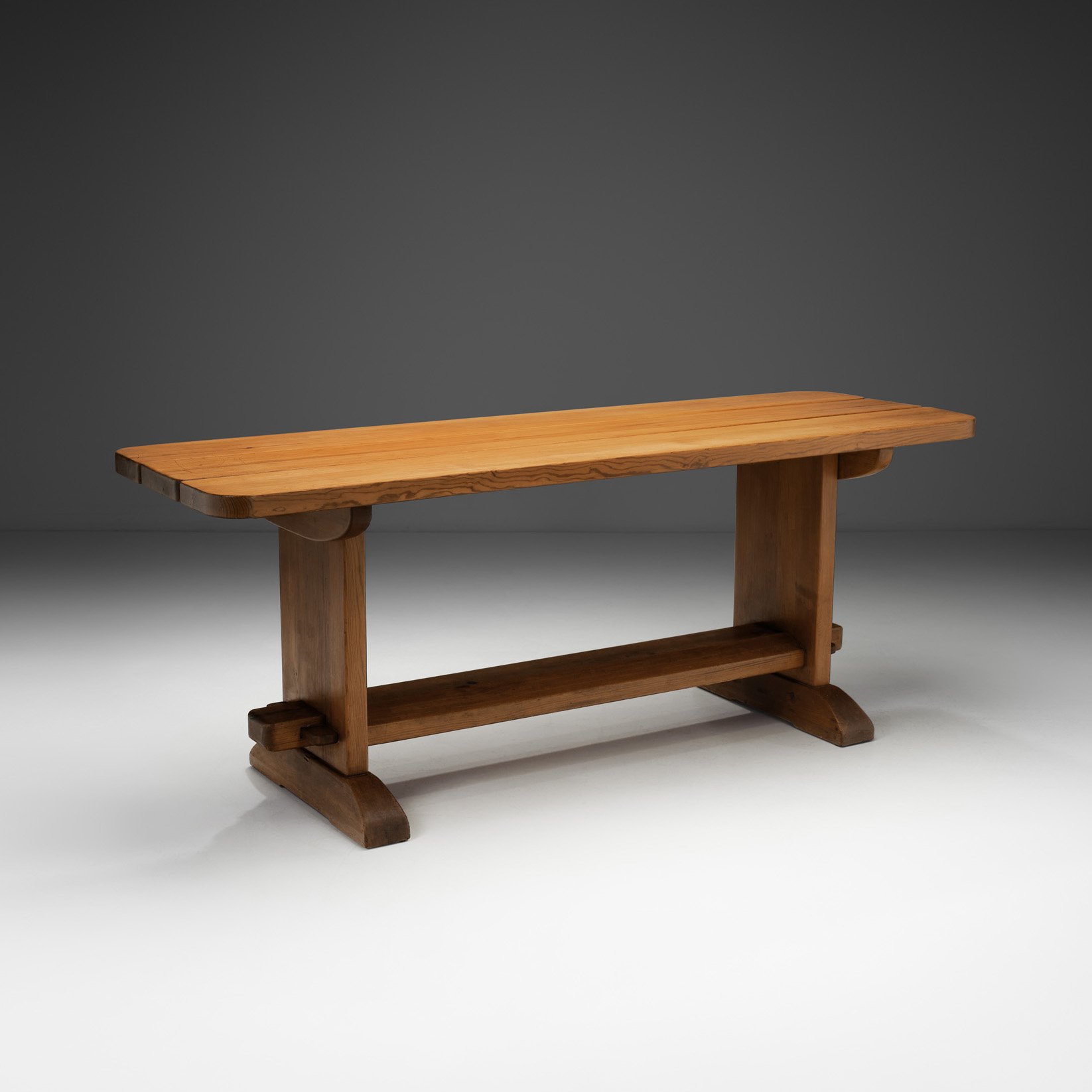
Swedish architect and furniture designer Axel Einar Hjorth served as the lead designer for Nordiska Kompaniet from 1926 to 1938. During this time, Hjorth designed the “Skoga” series in the early 1930s.
The “Skoga” series was crafted as part of a broader collection of summer-house furniture, intended to be both practical and aesthetically harmonious with the rugged beauty of the Swedish landscape. Despite its utilitarian roots, the series, as well as this table, exudes quiet sophistication and a timeless appeal focusing on simple lines and the material itself. Made of pine wood, this table is strong, reflecting Hjorth’s principles according to which he mixed the ideals of the modernist movement with provincial Swedish traditions, producing a unique and primitive modernism. It is quite robust without being intrusive, naturally standing to be the centre of the room. The legs and stretch-bar base emphasize structural clarity and durability, while the rounded corners and visible joinery express a handcrafted, almost sculptural quality. The rectangular tabletop is comprised of three planks of wood, yet it has a light impression. The large surface shows off the pattern of the wood and colour variation. The absence of heavy ornamentation is also in service of enhancing the organic, simple look that defined Swedish design of the era. Each element, joint and line is well crafted and solid, the attention given to every construction and finishing detail is obvious.
This table doesn’t depend on its details, rather, it is just as arresting from afar as from a proximity. The joinery and woodworking reveal the quality craftsmanship of the experts at Nordiska Kompaniet. The most charming thing about this table however, is that it showcases classic elements and so much history, but it lends itself easily to a modern interior.
Condition:
In good vintage condition. Wear consistent with age and use. Some marks and scratches on the wood.
Dimensions:
70.86 in W x 23.62 in D x 27.55 in H
180 cm W x 60 cm D x 70 cm H
REQUEST PRICE HERE
Price category: 7,500 - 10,000 usd / eur
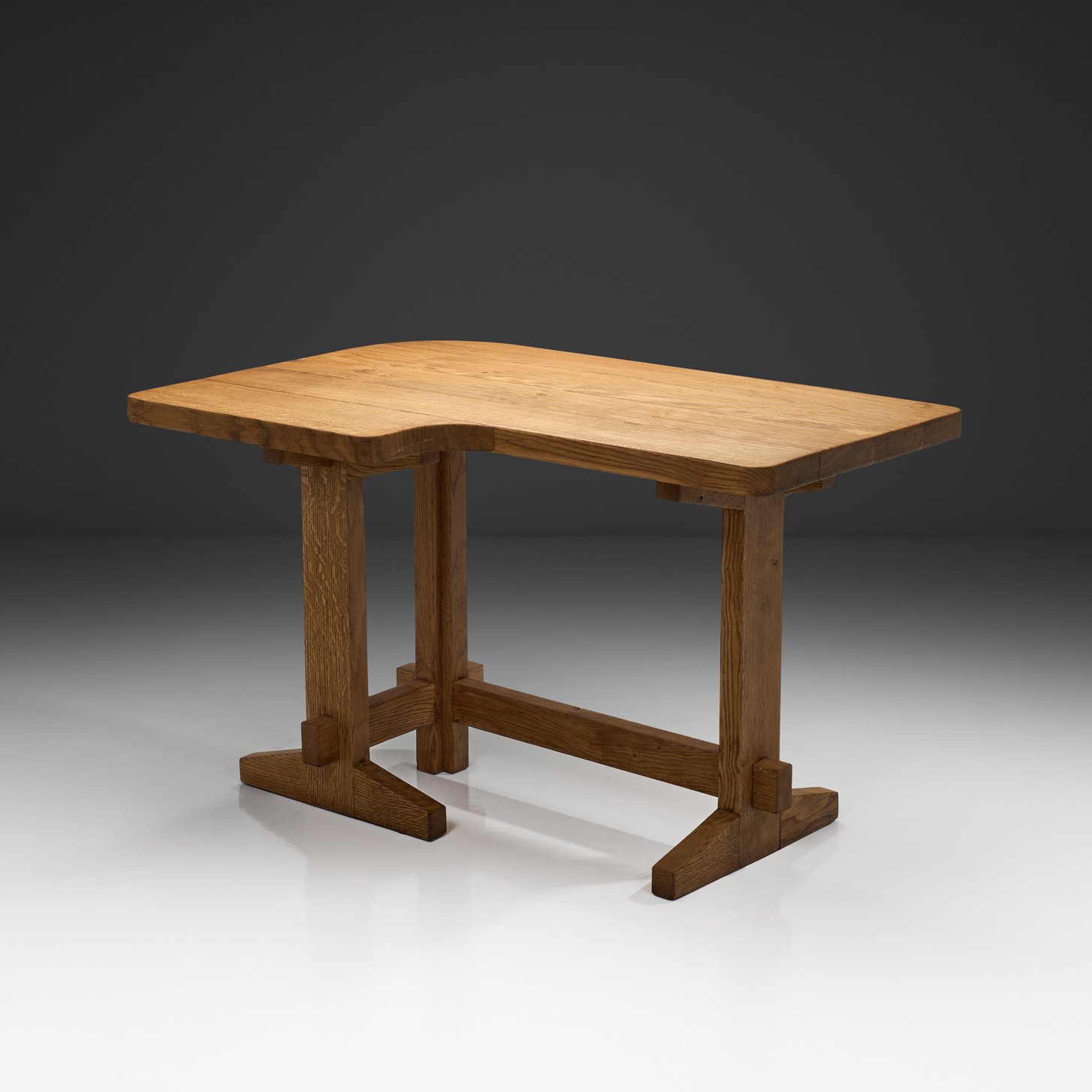
A drafting table or architect's table is, in its antique form, a kind of multipurpose desk which can be used for any kind of drawing, writing or impromptu sketching or for drafting technical illustrations. Many designs from the mid-century period adopted an almost structural logic, reflecting a broader interest in honest materials and visible craftsmanship, where the making of the object was never concealed but instead highlighted as an integral part of the design.
This worktop desk was made in France around the 1960s. It embodies rustic modernism and brutalist aesthetics through the robust yet carefully considered construction. The solid oak top is thick and slightly contoured, with softened edges that introduce a subtle organic quality to an otherwise rectilinear form, and an ergonomic cutout. Beneath, the base is composed of vertical supports connected by horizontal stretchers, creating a grounded structure. The architectural portico base is connected by solid crossbeams, where the joinery is clearly expressed, each connection contributing to both the strength and the visual identity of the piece. This detail is a testament to the high level of craftsmanship and brutalist influences. At the same time, the open space between these elements ensures that the design does not feel heavy, despite the mass of the material. The natural grain of the oak remains visible across all surfaces, adding depth to the otherwise restrained composition.
This desk maintains a strong presence rooted in its quality, but most of all, it represents a deeply functional piece of furniture. It balance of weight and refinement makes it perfect to serve a practical but elegant workspace.
Condition:
In good vintage condition. Wear consistent with age and use. The desk has recently been reconditioned and showcases a beautiful grain pattern. Due to the nature and age of the wood, the item has minor marks and scratches, and may show slight discolouration.
Dimensions:
49.40 in W × 32.67 in D × 30.31 in H
125.5 cm W x 83 cm D x 77 cm H

Discover the quality of a supplier trusted by 75 + of AD 100 firms’ to elevate your design projects.
Endorsed by over 75 renowned AD 100 firms
Unmatched quality and exclusivity
Over 2500 succesfull international shipments
In-house upholstery and restoration services
Over 50 custom woven fabrics in stock
Elevate your interior design projects with products recognized by the best in the business.
REQUEST PRICE HERE
Price category: 5,000 - 7,500 usd / eur
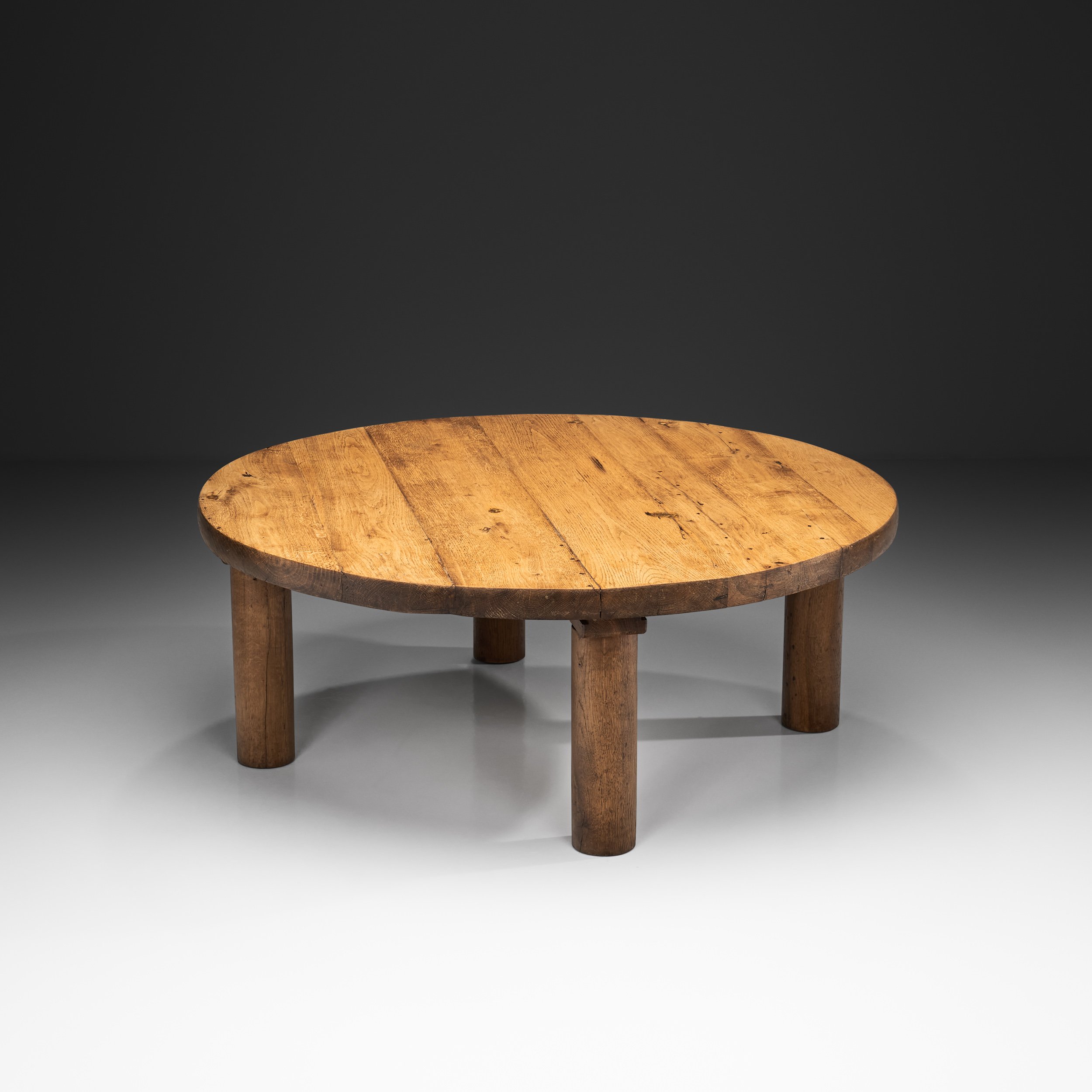
This coffee table embodies the essence of European mid-century design, with its distinctive features that recall a time when form and function were equally paramount. Crafted from solid wood, this table exudes a rustic charm and robust aesthetic that is characteristic of the era in which it was made.
In mid-century modern design, the use of wood held a special significance: it was not merely a material choice, but a philosophy that emphasized the natural and organic over the ornate and extravagant. The design is inspired by the mid-century penchant for elemental shapes, featuring a simple circular tabletop, supported by four straight legs. The tabletop has a brutalist feel to it. The warm tone of the oak wood creates a sense of lightness, while also projecting an air of strength and solidity. Oak has been the defining material for European brutalist pieces partly due to its durability and malleability, enabling intricate yet robust constructions. The large tabletop showcases the unique qualities of the wood, while also providing functional space. Mid-century modern design represented a break with the traditional past; design-wise, furnishings were often a rejection of Victorian, Colonial, and other historical influences.
This solid wood table, with its natural finish, exemplifies the enduring charm and warmth that mid-century design continues to bring to contemporary interiors, underscoring the timeless appeal of this iconic design era. The maker of this table clearly focused on the material, letting the beautiful qualities of the oak wood stand out. This model will make a perfect addition to a range of interior styles.
Condition:
In good vintage condition. Wear consistent with age and use. Due to the age and nature of the wood, the item may have some marks, scratches, and discolouration.
Dimensions:
47.24 Ø in x 11.18 in H
120 Ø cm x 46 cm H
REQUEST PRICE HERE
Price category: 2,500 - 5,000 usd / eur
Wall-mounted furniture reflects the interest in clean, uncluttered living spaces. By lifting storage from the floor, designers created furniture that appeared lighter and more architectural while making efficient use of available space. Consoles of this kind were particularly versatile, functioning equally well in entrance halls, bedrooms, or living areas where discreet storage and a refined visual presence were equally important.
The elegance of this console lies in its sleek look. Crafted from wood with a rich, unique grain pattern, the rectangular body is defined by crisp lines and carefully balanced proportions. Two seamlessly integrated drawers sit beneath the wide top, their fronts uninterrupted by visible handles, allowing the continuous grain to become the visual focus. Raised side panels frame the upper surface, introducing a subtle architectural quality while preventing objects from slipping from the edges of the tray top. The floating construction allows the console to project effortlessly from the wall and lending it a sense of visual lightness. The vibrant red tone the wood animates the otherwise minimal form, revealing the natural beauty of the material.
The combination of practical storage and understated sophistication makes this console exceptionally adaptable. It offers its surroundings a quiet elegance, once again proving the enduring appeal of mid-century furniture, where simplicity and functionality were brought together with remarkable refinement.
Condition:
In good vintage condition. Wear consistent with age and use. The console has recently been reconditioned. Some marks, scratches and discolouration are present.
Dimensions:
31.29 in W x 10.03 in D x 6.10 in H
79.5 cm W x 25.5 cm D x 15.5 cm H