
Carved Alder Wood Bowl in the manner of Rudolf Steiner, Switzerland Mid-20th Century

Carved Alder Wood Bowl in the manner of Rudolf Steiner, Switzerland Mid-20th Century
REQUEST PRICE HERE
Price category: 2,500 - 5,000 usd / eur
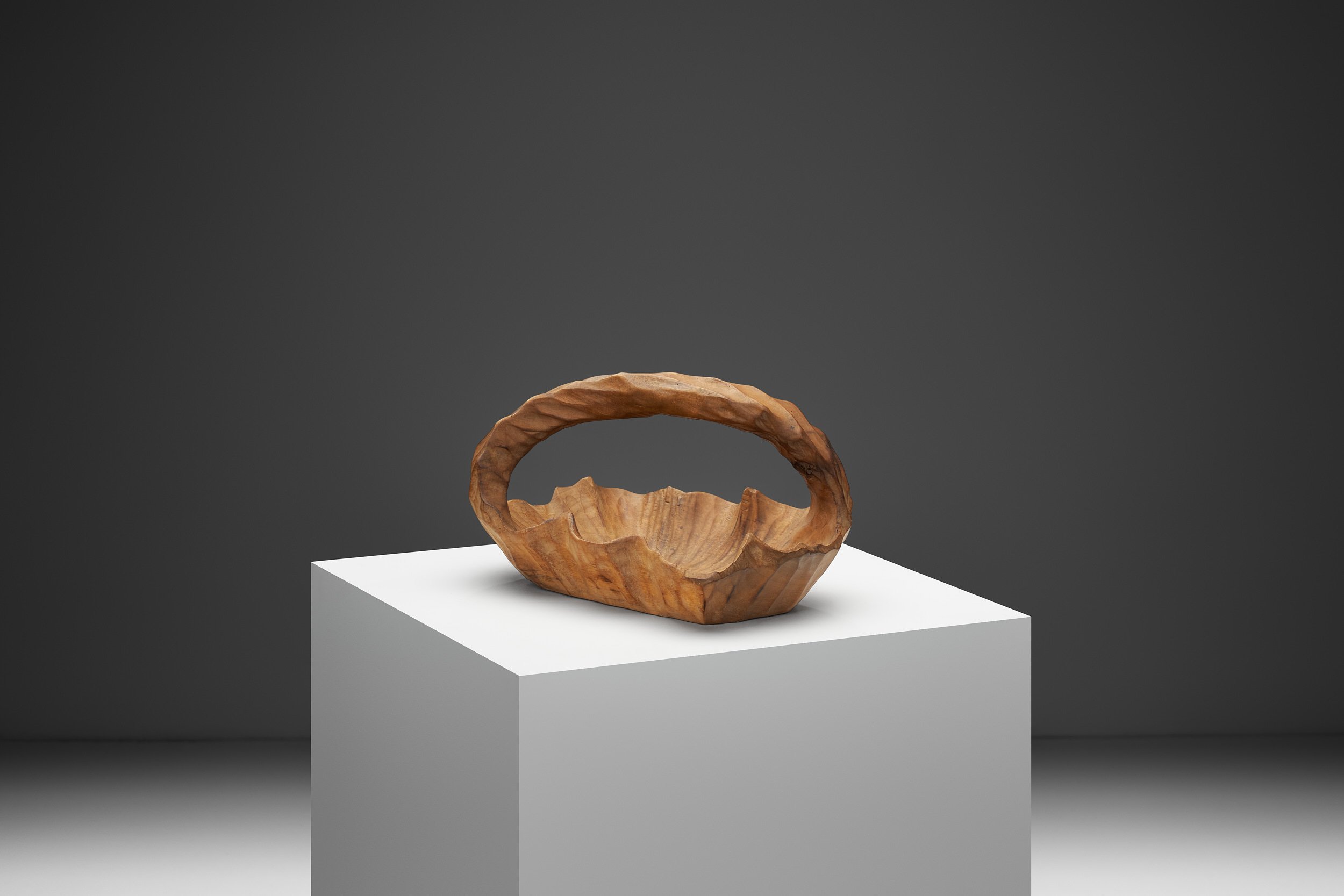
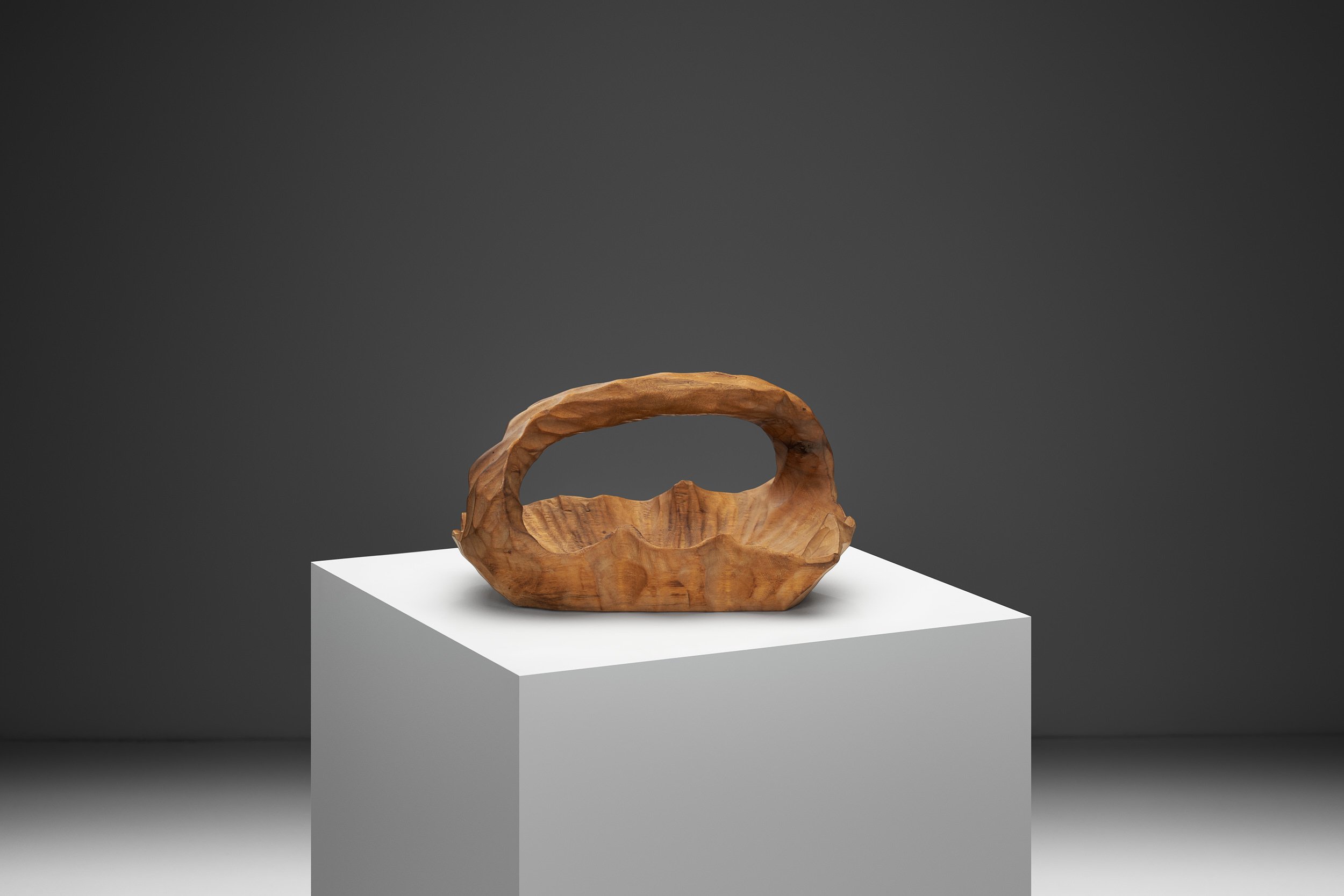
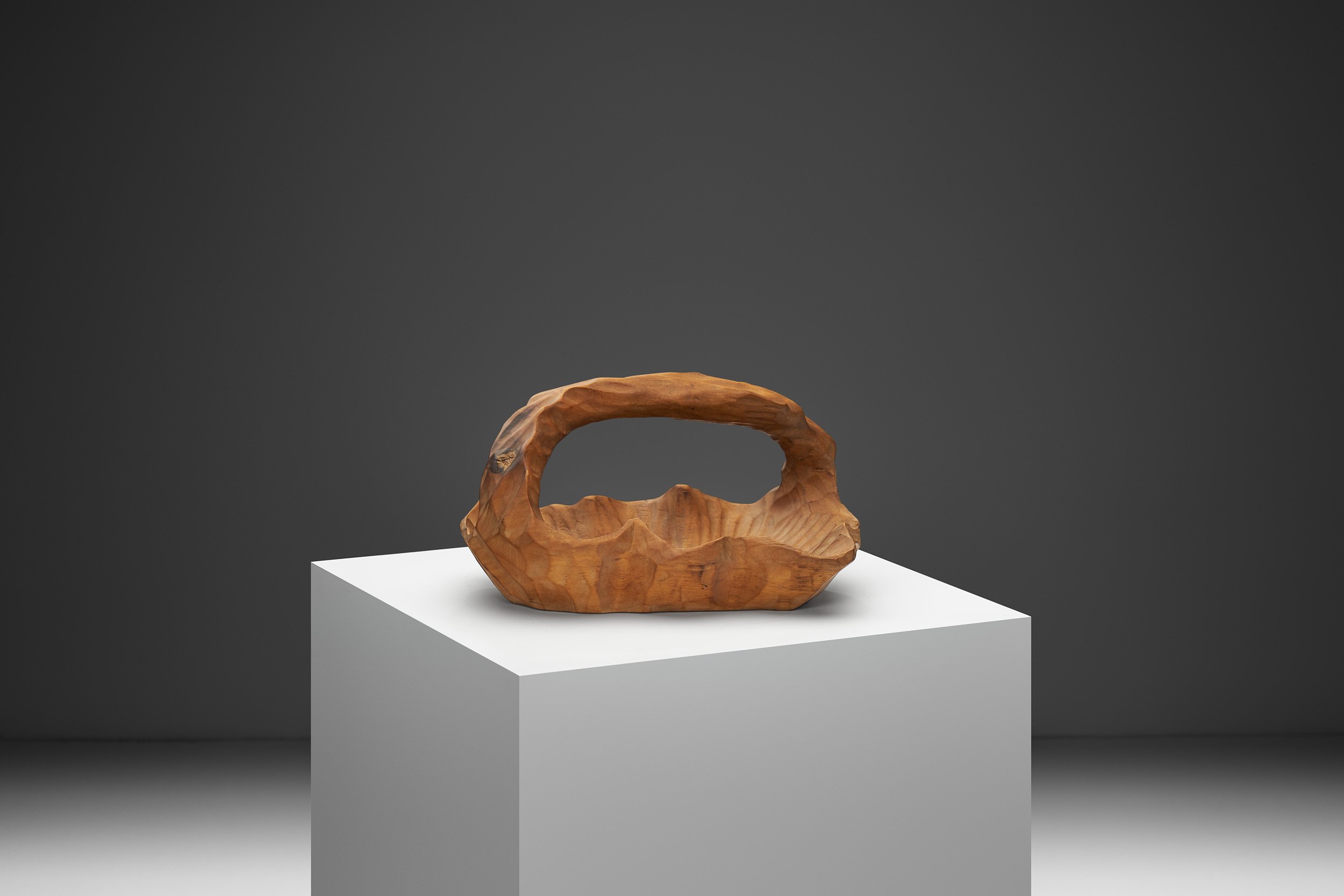
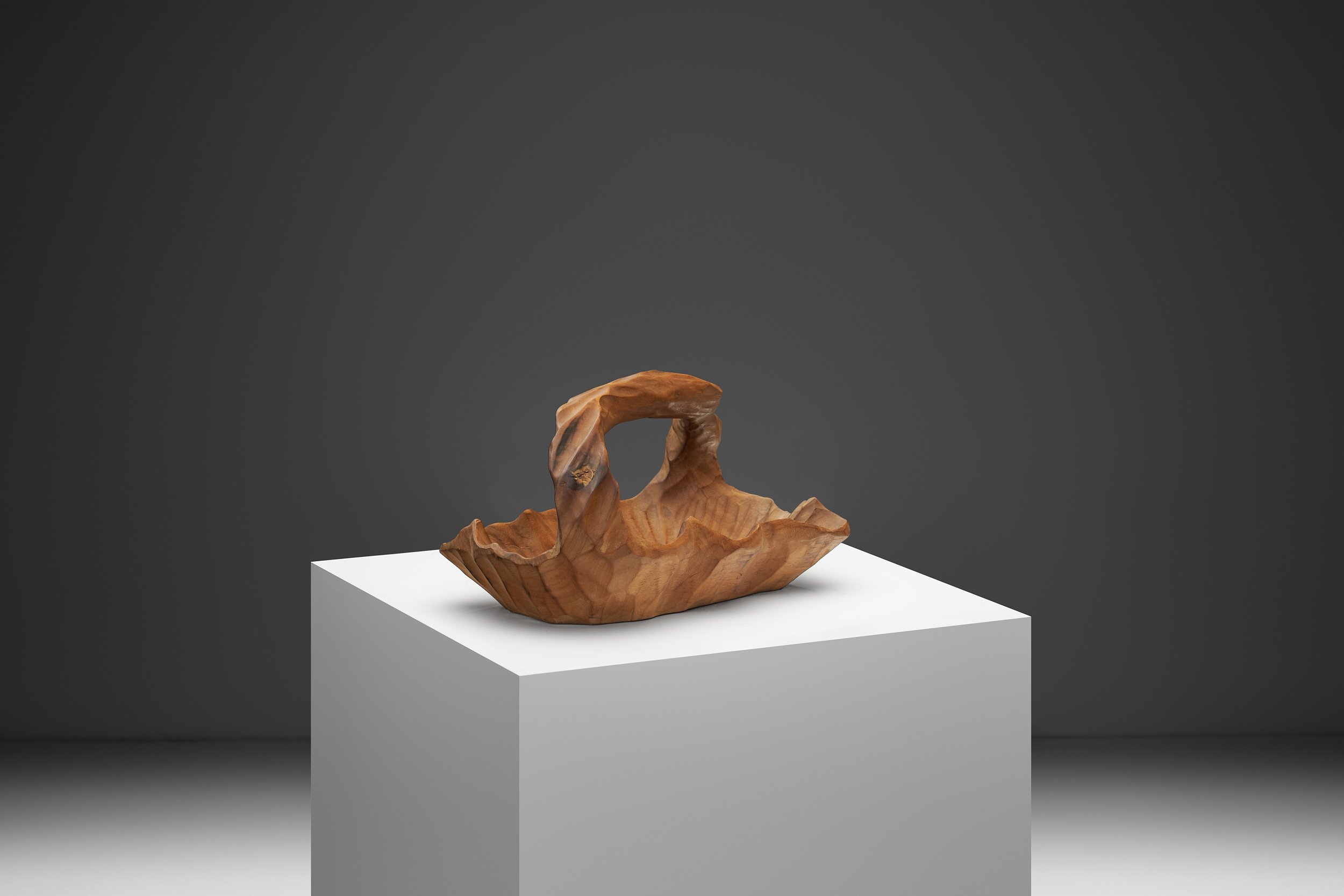
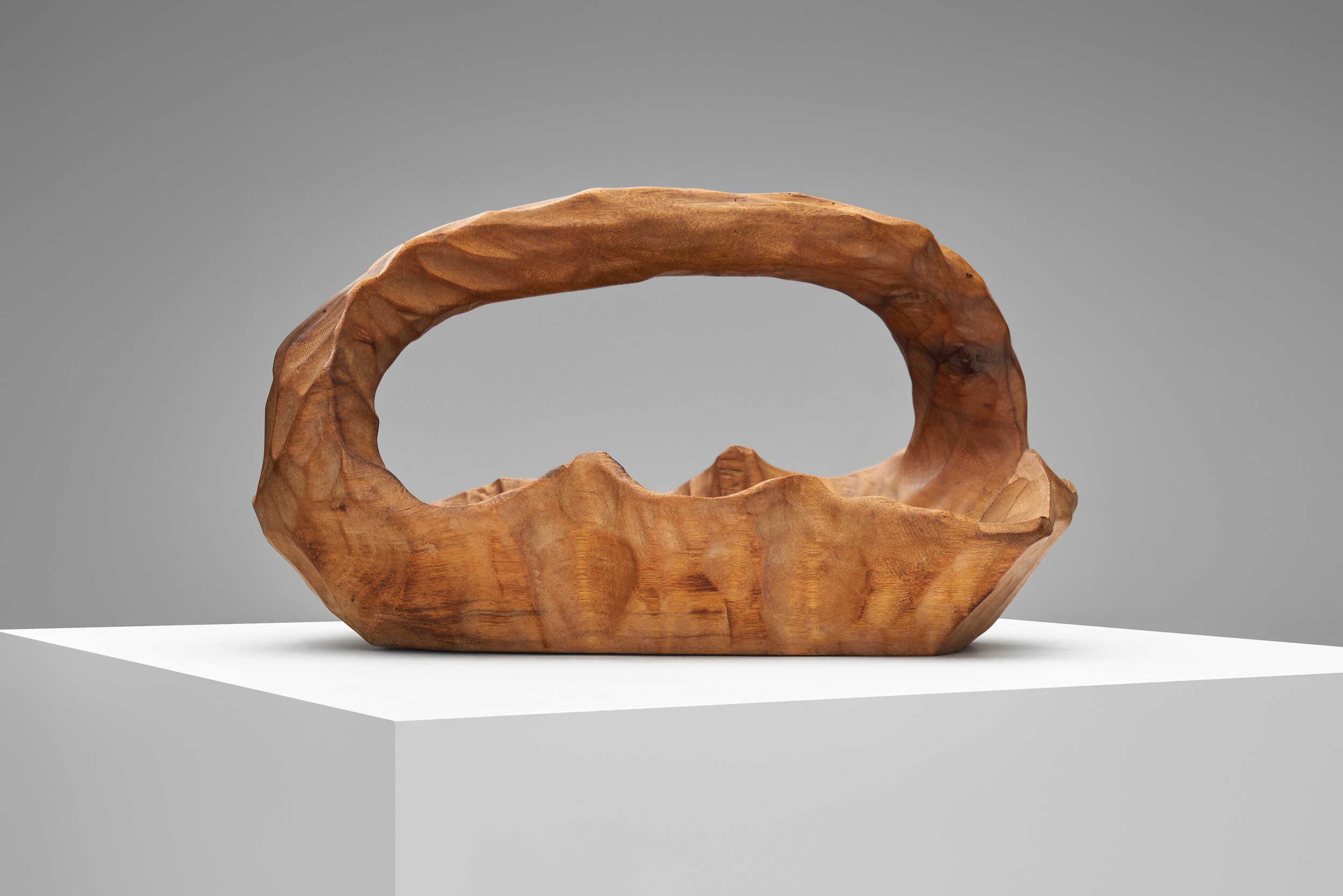
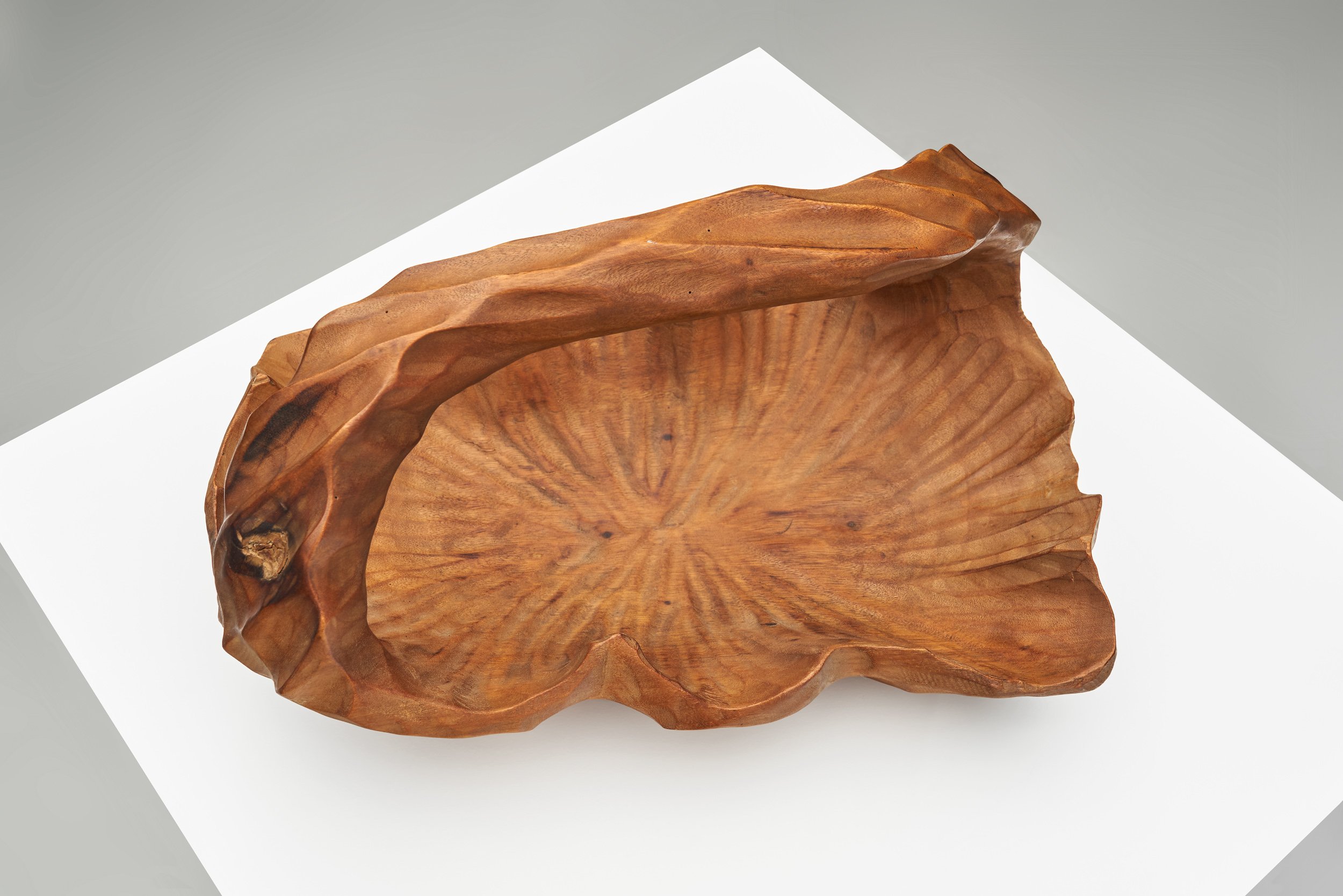
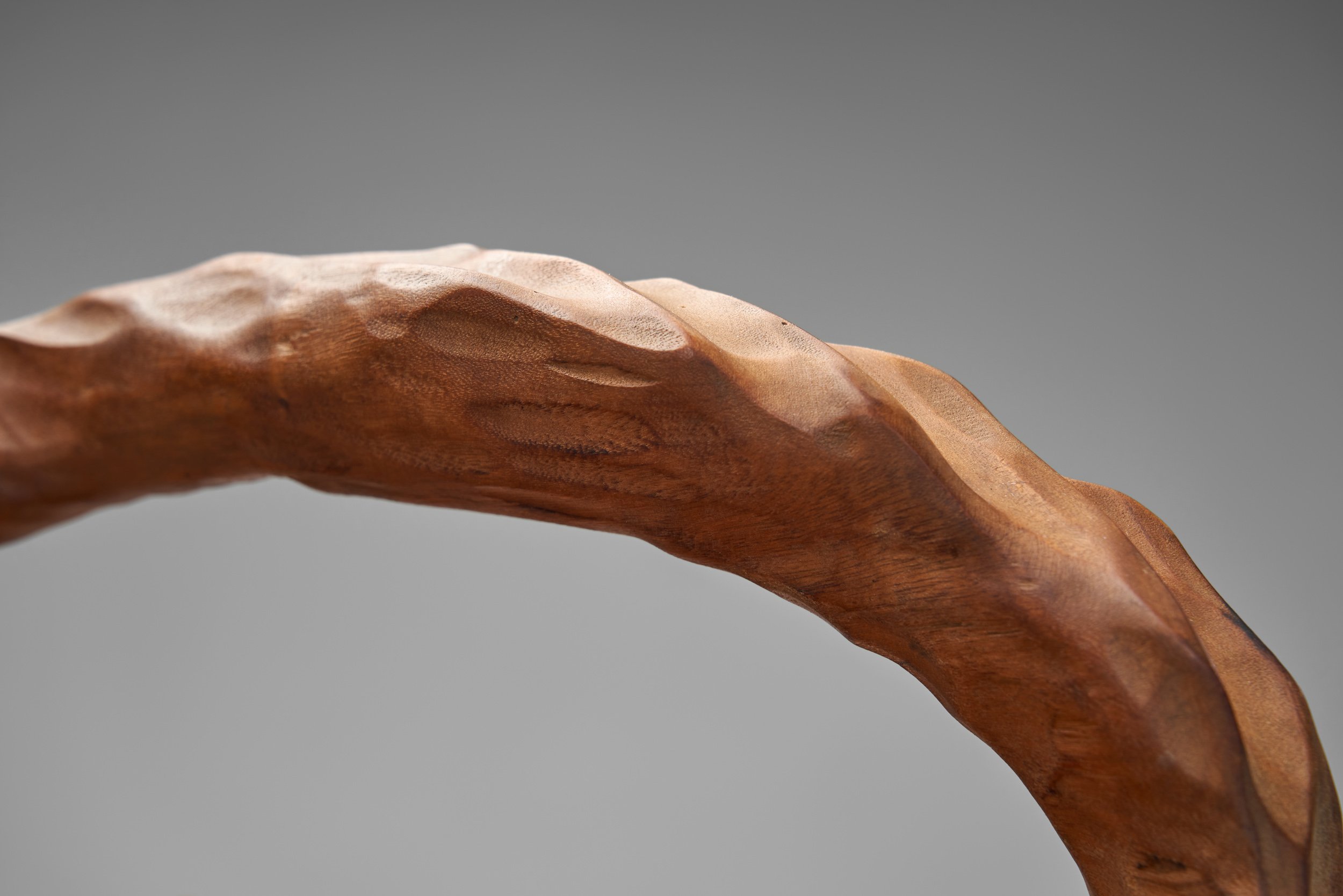
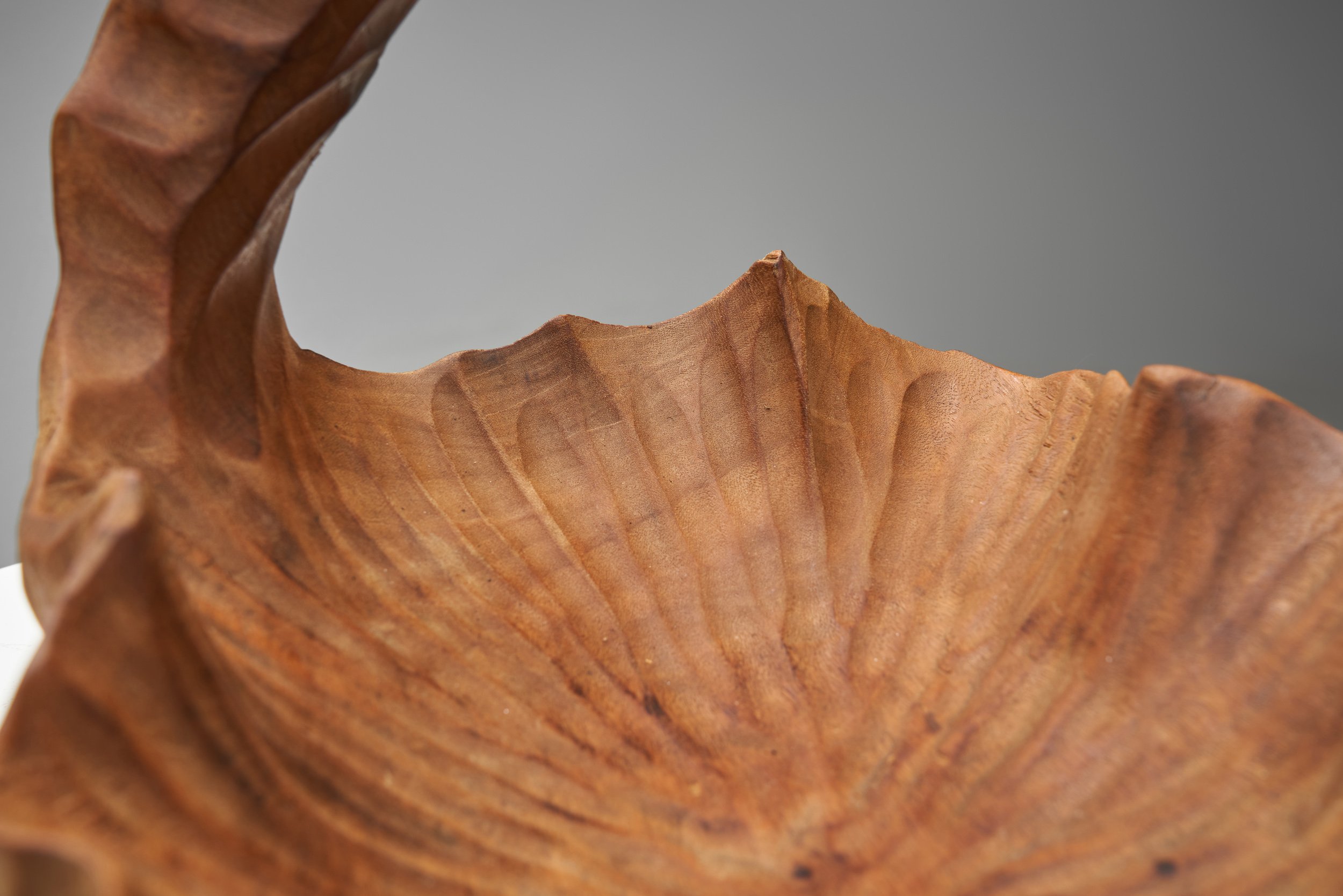
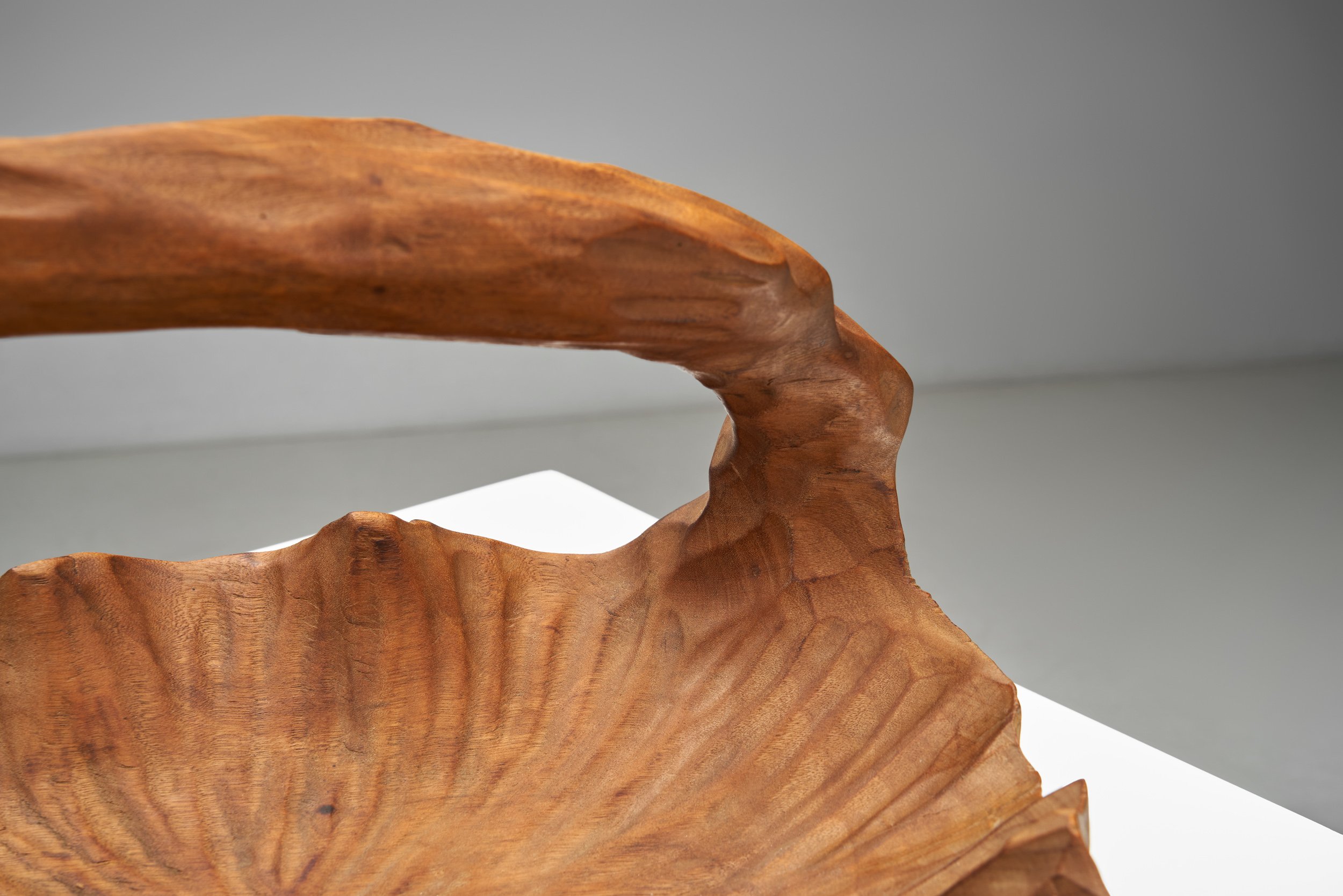
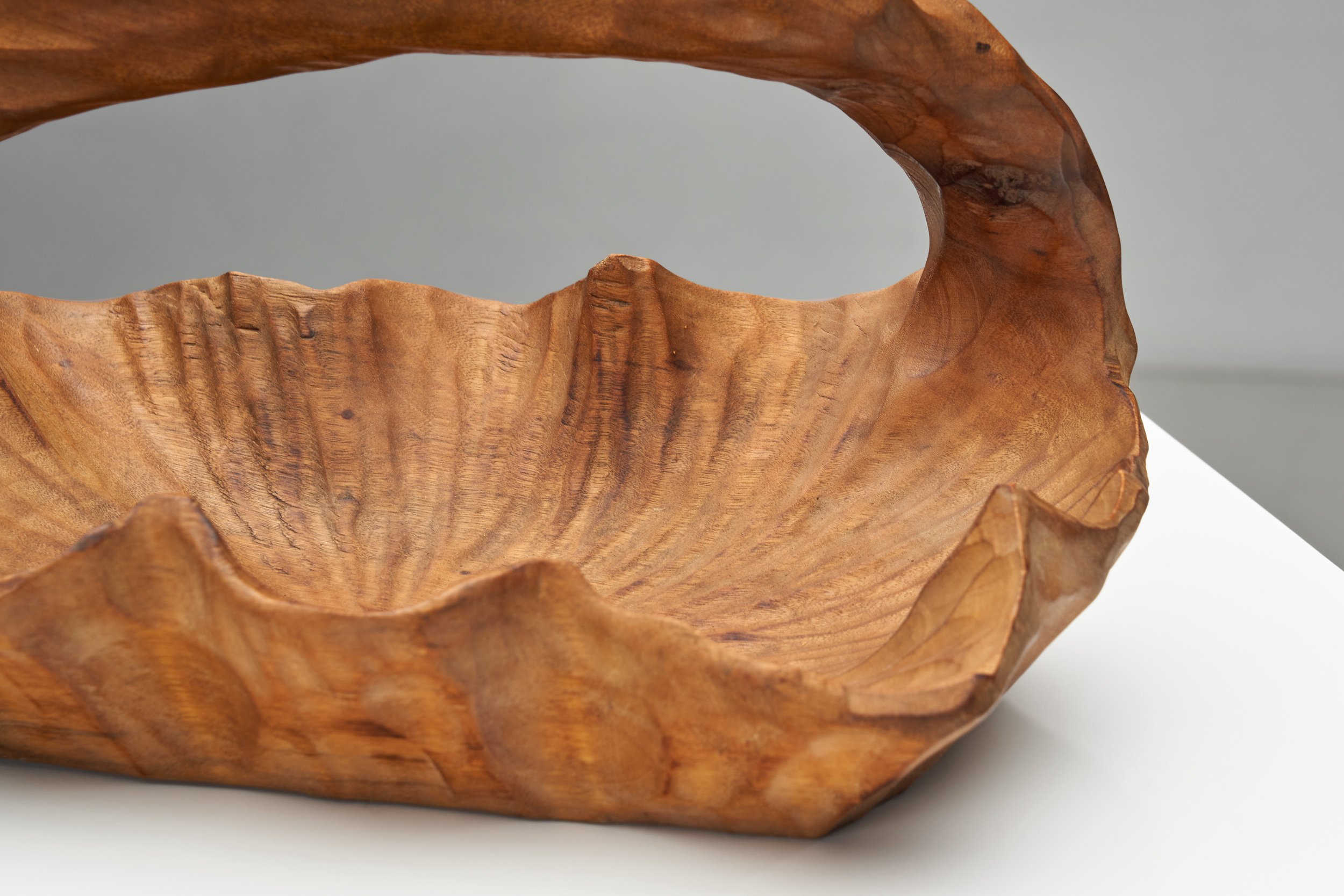
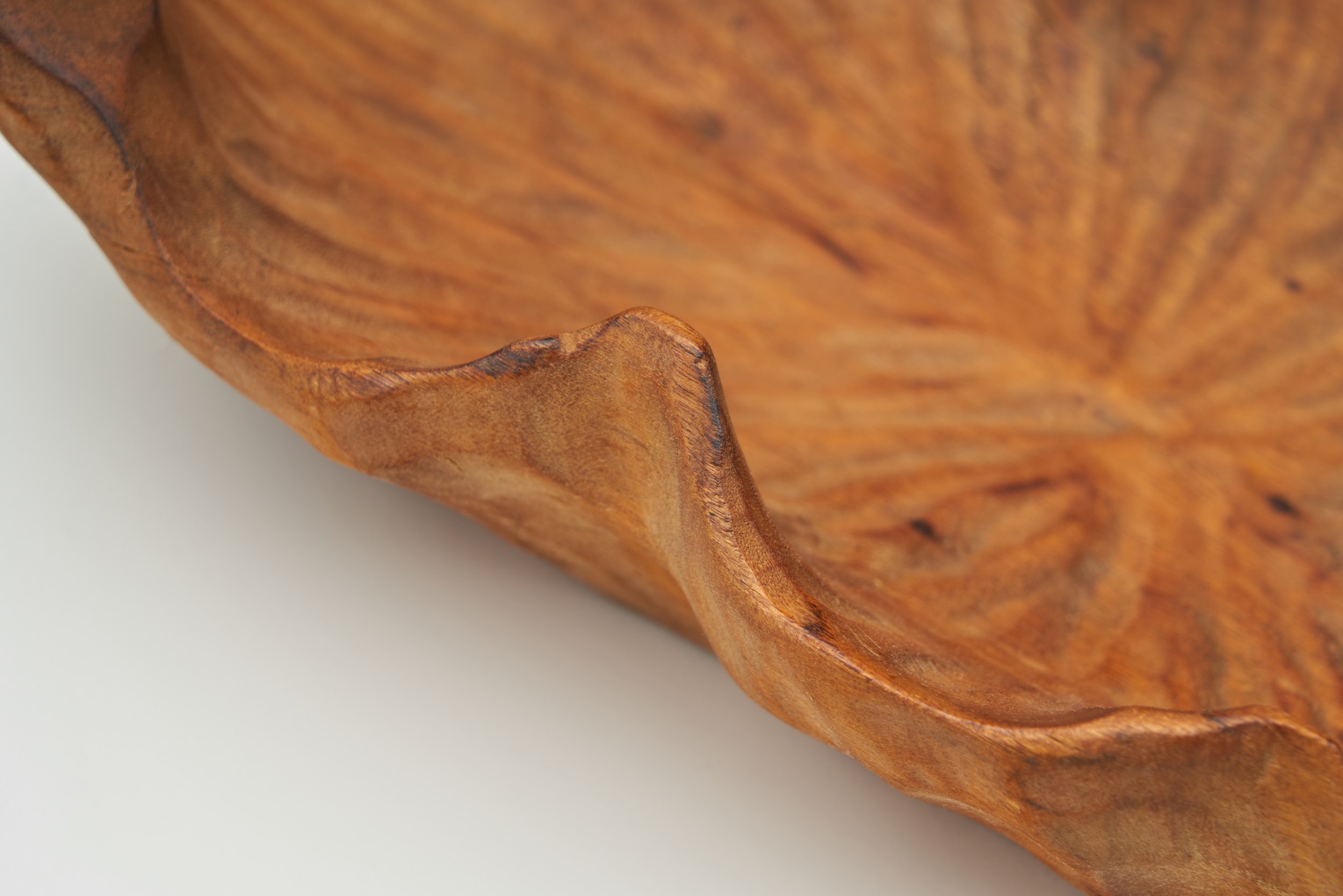
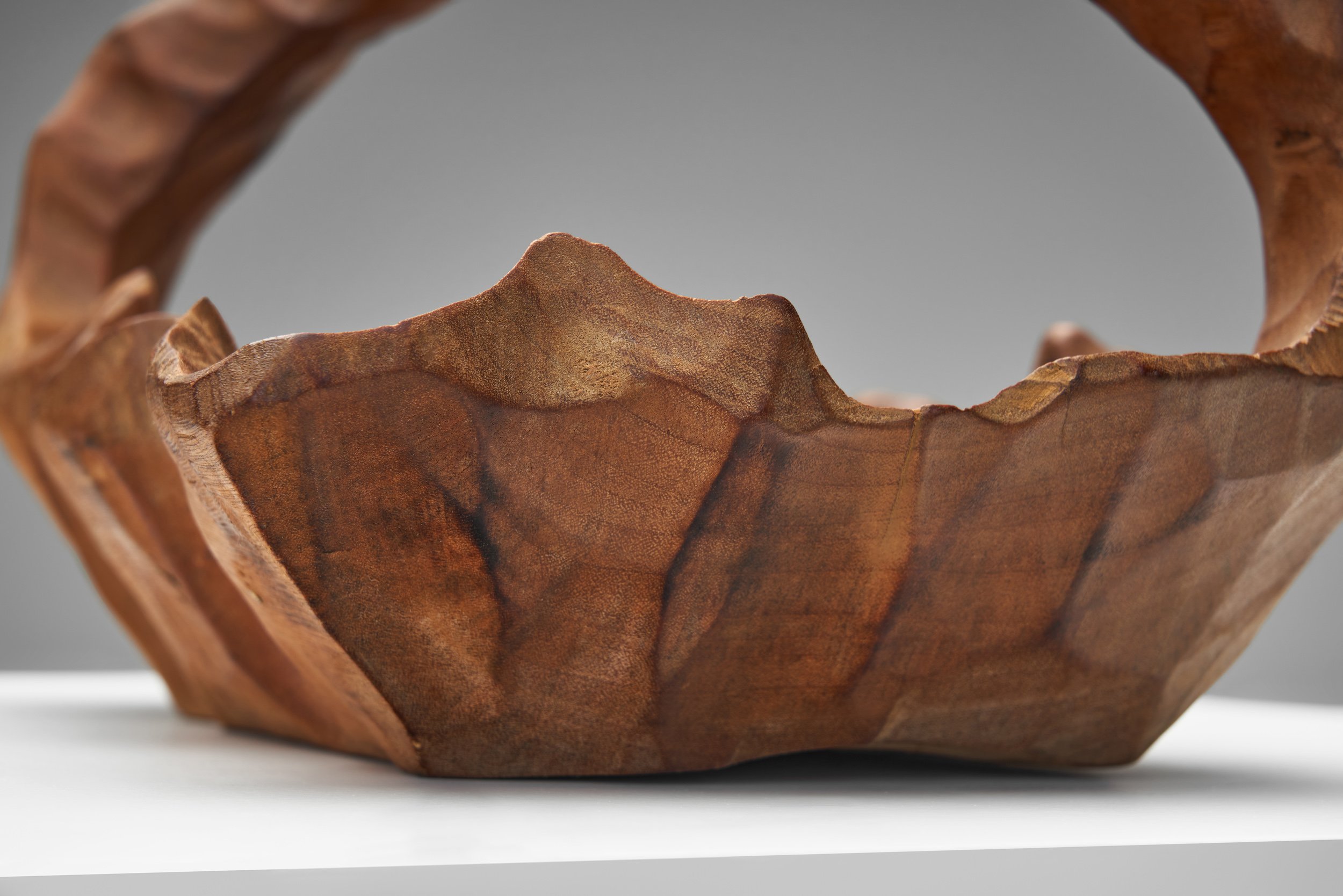
This bowl’s origins can be traced back to Rudolf Steiner’s circle and was made in the so-called Anthroposophic style. Aesthetically, the movement took established silhouettes and morphed them into warped geometries often comprised of multifaceted angular surfaces.
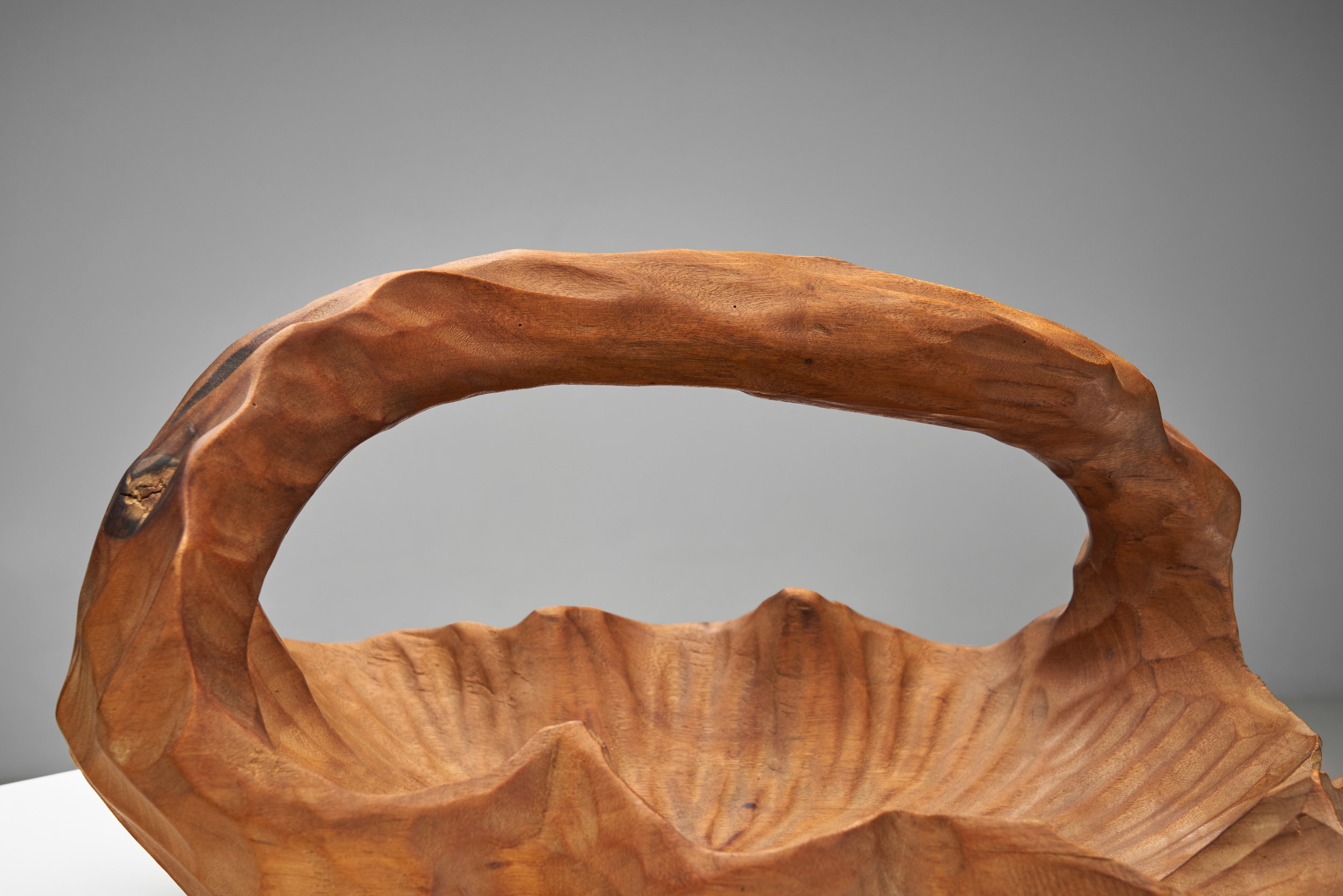
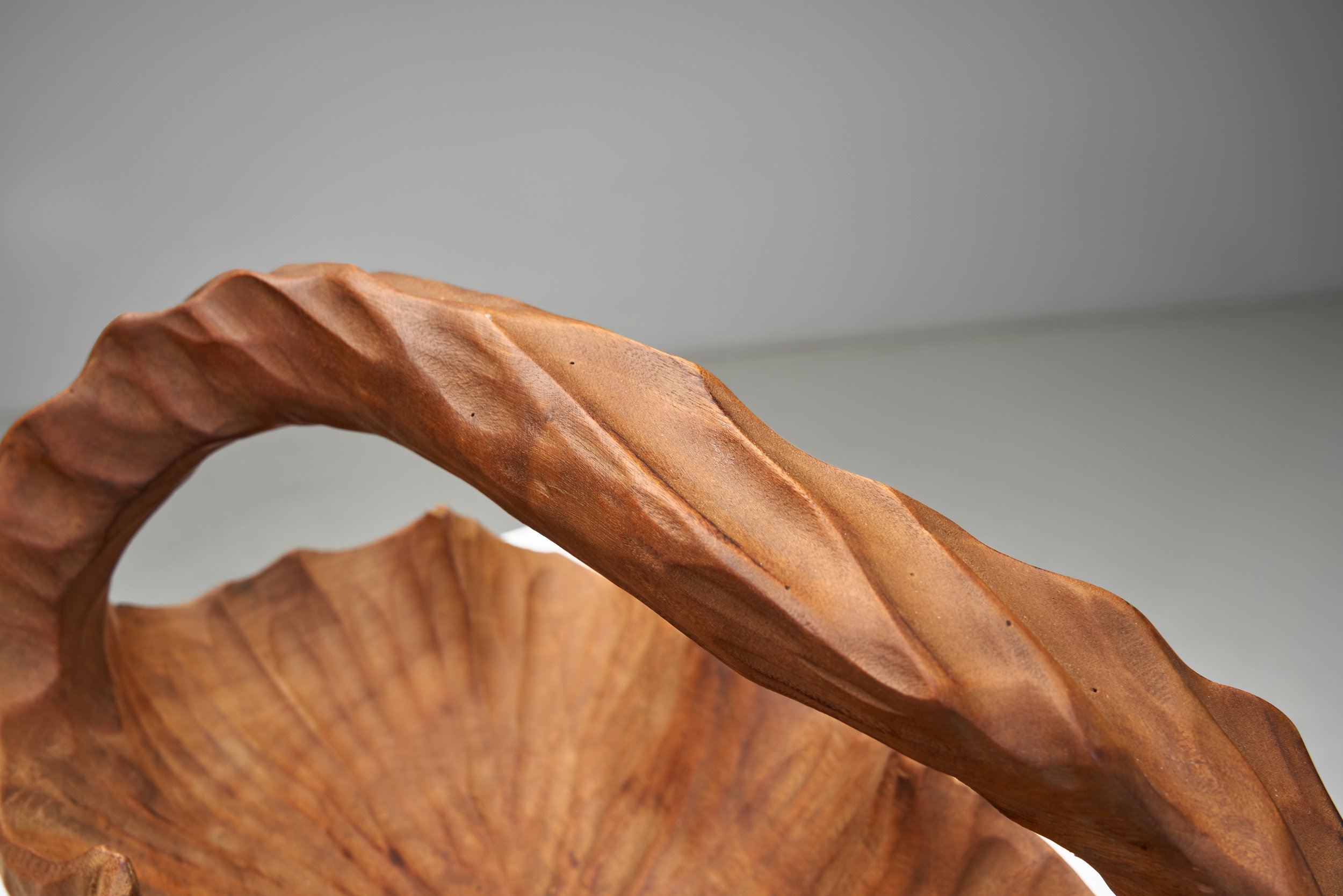
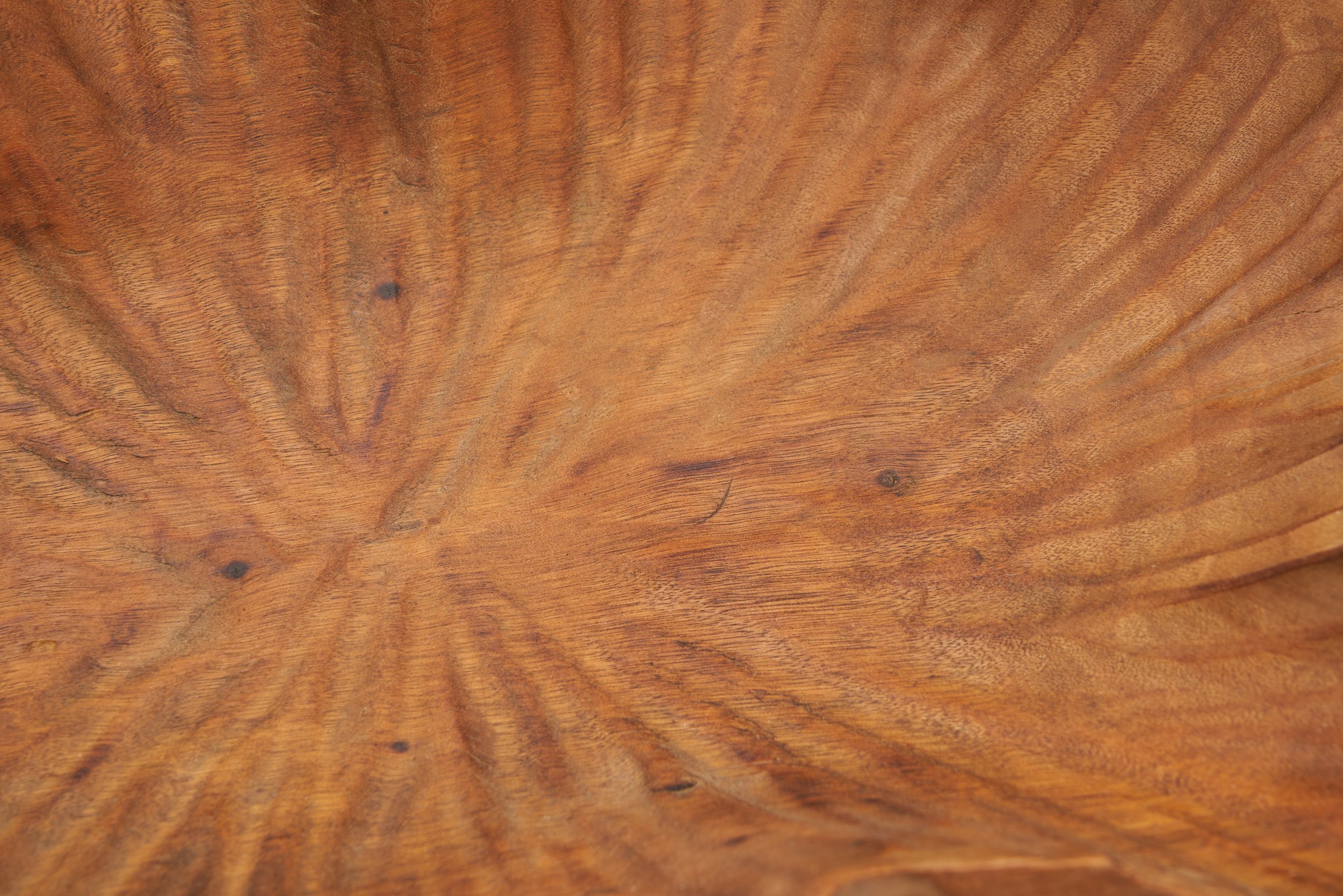
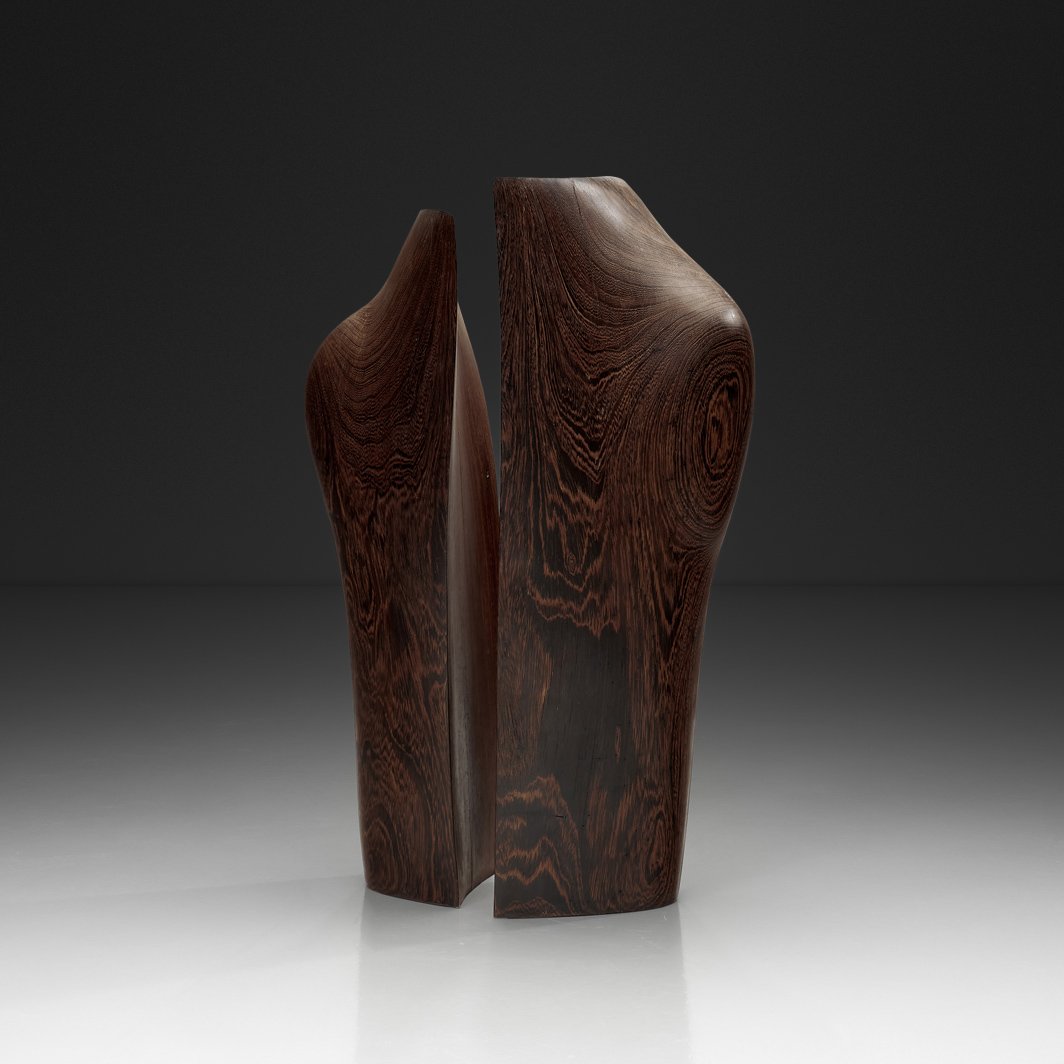
Anthroposophy was originally a school of thought that combined spirituality and materiality for a better humanity. According to Steiner, the thought can also be translated into forms and colours. Everything by which we are immediately surrounded in life takes on an artistic form, therefore furniture is capable of vivifying the environment and like this bowl, its approach to design is organic functionalism. The shape, lines and material of this piece show strength and dynamism, while still staying light and stylish. The bowl’s form is stylistically closer to the organic elegance of modernism, therefore it is guaranteed to fit into, and stand out in any style and type of space. The inherent organicity is also apparent in the shape that doesn’t follow strict geometric principles, instead, has a natural flow to it. Swirling grain patterns further provide a striking visual dimension, highlighting a contrast of tone and texture. The form shifts subtly depending on the viewer’s angle, inviting exploration and offering a sense of balance between lightness and strength. Whether used as a functional centerpiece or simply admired as an object of form and shadow, it draws the eye through its quiet complexity and sculptural quality.
Adding pieces like this to a modern interior not only creates a diverse and interesting aesthetic, it also reminds that perfection cannot be reached and perhaps should not even be the goal. Instead, recognising the beauty of the imperfect created by nature and reformed by a craftsman can bring happiness into everyday life.
Condition:
In good vintage condition. Wear consistent with age and use. Due to the nature and age of the material, item may have some marks, scratches, and discolouration.
Dimensions:
13.78 in W x 10.04 in D x 8.07 in H
35 cm W x 25.5 cm D x 20.5 cm H
REQUEST PRICE HERE
Price category: 5,000 - 7,500 usd / eur
This beautiful tray, produced in Spain in the second half of the 20th century, is a refined example of decorative craftsmanship paired with functional design. In 1798, the Valentí family started its first silversmith workshop in Barcelona. In 1925 Fernando Valentí Clúa, founder of the current Valentí, was born. Since then, they have created a company with a solid handcraft foundation, influenced by the decorative arts and the renaissance of craftsmanship applied to modernity.
The tray has a broad, elongated oval shape with a shallow interior and gently raised sides. Its outline has a natural flow, showing its handcrafted nature. The inside has a rich, warm golden brass surface, dramatically enhanced by areas of turquoise. Across the bottom of the tray, the brass almost melts across the blue surface. The pattern it creates is effortlessly organic. The exterior displays a continuous turquoise finish, making the distinction between the inside and outside especially striking. The smooth, shallow form allows the different surfaces to remain clearly visible, while also working functionally as a tray. The combination of materials gives the piece a memorable example of Spanish mid-century decorative metalwork.
Decorative objects of this kind are particularly appealing for their ability to introduce colour, texture and material contrast into an interior. This Valentí tray is an excellent centrepiece for a coffee table, dining table or sideboard, where its richly patterned interior can be appreciated from above. It can also serve as a decorative catchall or simply be displayed as an object in its own right.
Condition:
In good vintage condition. Wear consistent with age and use. Due to the nature of material, the item has some marks, scratches, and discolouration.