
Poul M. Volther “C35 FDB” Dining Table for FDB Møbler, Denmark 1950s


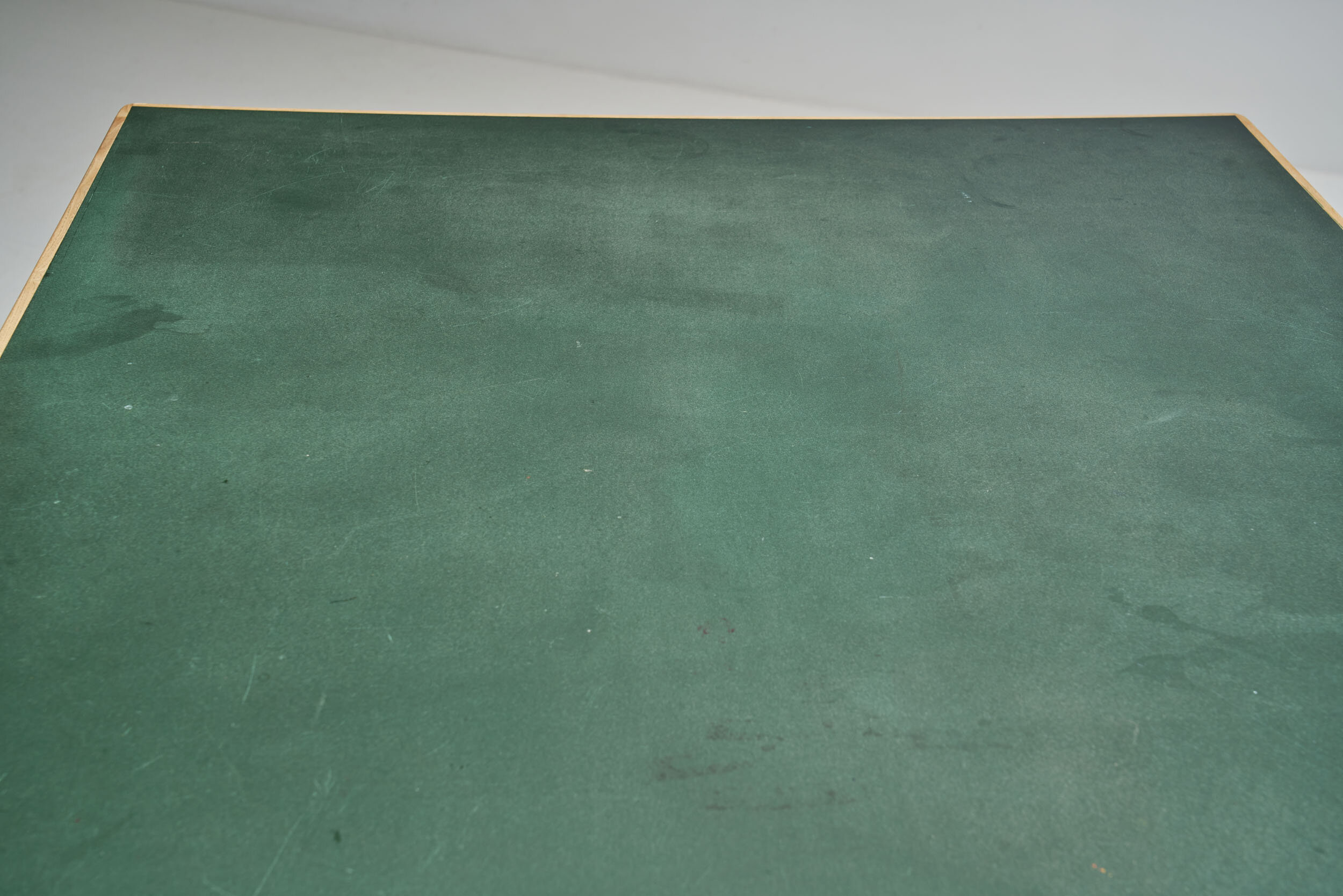


Poul M. Volther “C35 FDB” Dining Table for FDB Møbler, Denmark 1950s
REQUEST PRICE HERE
Price category: 2,500 - 5,000 usd / eur
The “C35 FDB” table series was designed by Poul M. Volther in 1957 for Danish Furniture co-operative FDB. The company, FDB Møbler was founded in 1942 with architect, Børge Mogensen heading the studio. According to their philosophy, every new piece of FDB Møbler is born as an heirloom. This ash dining table is no exception.
First trained as a cabinetmaker, Poul Volther studied furniture design at the Arts and Crafts School in Copenhagen. A believer in Functionalism, he avoided short-lived aesthetic trends, concentrating on the simple crafting with quality materials. This dining table is characterized by its functionalism combined with a modern expression – the epitome of FDB Furniture’s design philosophy. The table frame is made of solid ash wood, which has a light shade and spectacular pattern. However, this model’s standout feature is definitely its large, green laminated top. This rectangular inlay is framed by the ash frame. The legs of the table slope slightly outward, providing optimal legroom and a more stable surface. The lower structure also features stretchers and cross railing, assuring structural stability. These elements also serve an aesthetic role, adding to the clean, architectural precision of the table.
FD Møbler’s philosophy was focused on creating beautiful, functional and exceptionally crafted furniture that makes room for everyday living at home and can withstand everyday wear and tear to age gracefully with those who use them. Accordingly, this C35 table perfectly complements different interiors and styles with its classic, quality design. Today it remains as contemporary as it was 60 years ago.
Condition:
In good vintage condition. Wear consistent with age and use. The top has some scratches and marks of wear.
Dimensions:
70.86 in W x 35.43 in D x 28.74 in H
180 cm W x 90 cm D x 73 cm H
About the designer:
Born in 1923, designer Poul M. Volther belonged to a generation of Danish creatives rooted in Scandinavian functionalism. Volther’s work is characterized by a mastery of form, as evidenced by his iconic EJ5 Corona Chair for Erik Jørgensen (1961/64). Highly collectible today, this singular piece has left an indelible mark on design history.
Volther originally trained as a cabinetmaker before studying at the Royal Danish Academy School of Arts & Crafts in Copenhagen. Over the years, Volther also taught at the Royal Danish Academy School of Design, influencing hundreds of young designers along the way. In 1949, legendary architect-designer Hans Wegner introduced Volther to the FBD, a Danish national cooperative association for producers of consumer goods. There, Volther worked under another Danish design great, Børge Mogensen, and went on to become FDB’s design director when Mogensen left in 1959. During his tenure at FDB, Volther created a range of chairs and sofas that can still be found in homes across Denmark.
In 1962, Volther found a partner in the then-new furniture manufacturer Erik Jørgensen. The company agreed to produce the Corona Chair with a chrome-plated steel frame. Despite the investment, this chair would not find a significant audience until 1997, when Erik Jørgensen re-launched it at the Cologne Furniture Fair in Germany, followed by the Scandinavian Furniture Fair in Denmark. One year after Volther’s death in 2001, the chair was used at the EU Summit in Copenhagen.
Volther’s designs have been produced by many design companies, such as Munch Furniture and Frem Røjle. However, his Corona Chair is considered his most memorable design contribution. It’s been featured in countless movies, fashion shoots, and music videos. ~H.
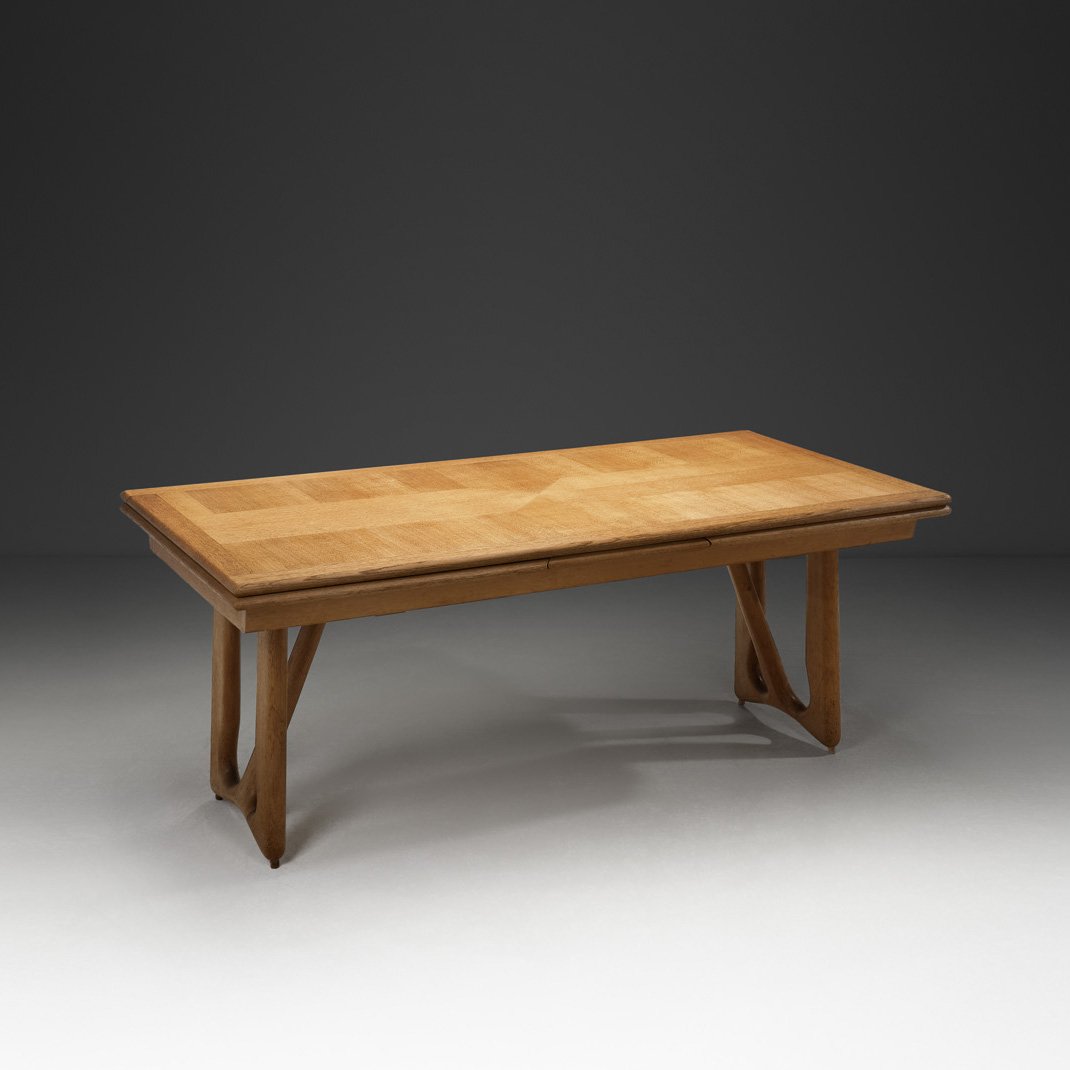
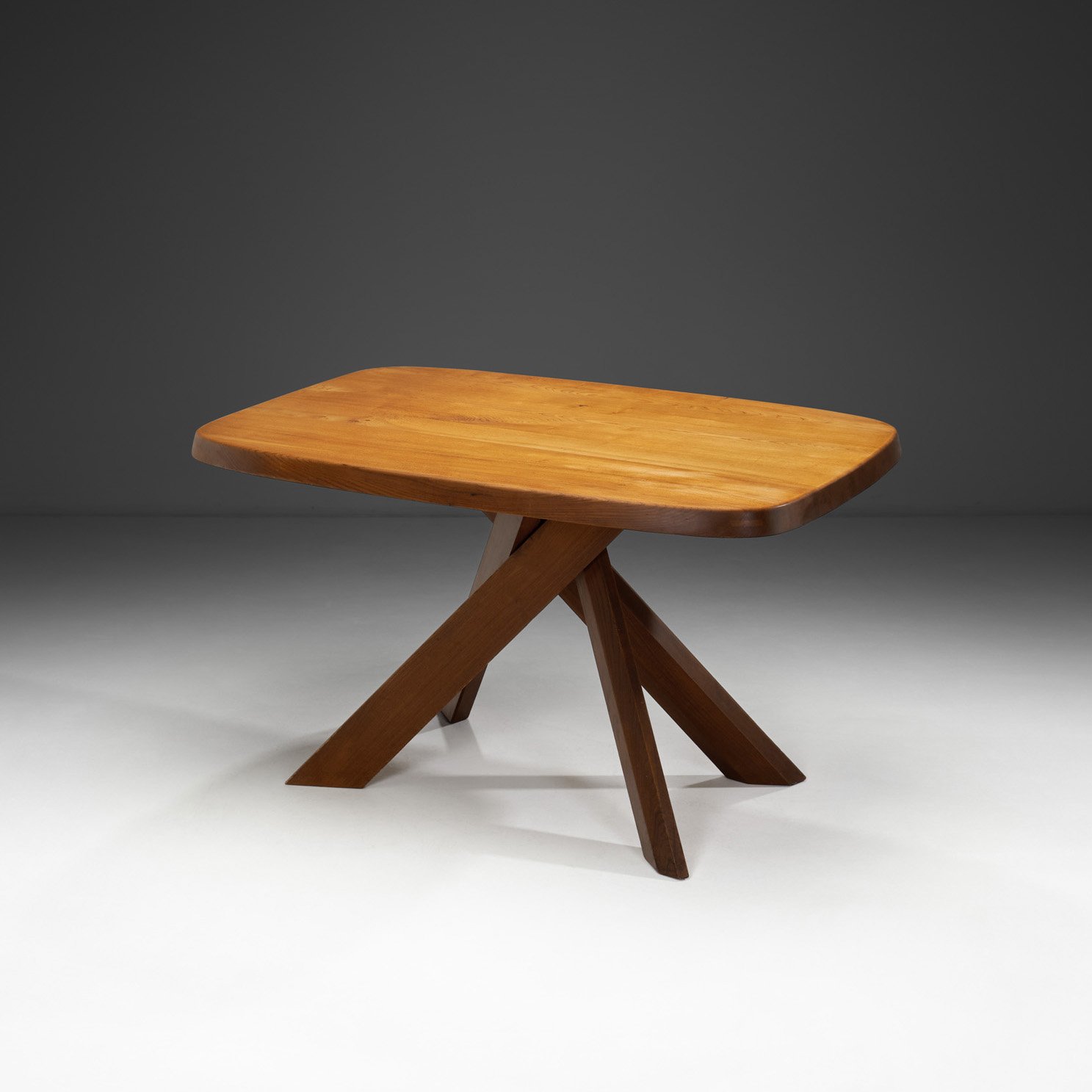


REQUEST PRICE HERE
Price category: 30,000 - 40,000 usd / eur
Swedish architect and furniture designer Axel Einar Hjorth served as the lead designer for Nordiska Kompaniet from 1926 to 1938. During this time, Hjorth designed the “Skoga” series in the early 1930s.
The “Skoga” series was crafted as part of a broader collection of summer-house furniture, intended to be both practical and aesthetically harmonious with the rugged beauty of the Swedish landscape. Despite its utilitarian roots, the series, as well as this table, exudes quiet sophistication and a timeless appeal focusing on simple lines and the material itself. Made of pine wood, this table is strong, reflecting Hjorth’s principles according to which he mixed the ideals of the modernist movement with provincial Swedish traditions, producing a unique and primitive modernism. It is quite robust without being intrusive, naturally standing to be the centre of the room. The legs and stretch-bar base emphasize structural clarity and durability, while the rounded corners and visible joinery express a handcrafted, almost sculptural quality. The rectangular tabletop is comprised of three planks of wood, yet it has a light impression. The large surface shows off the pattern of the wood and colour variation. The absence of heavy ornamentation is also in service of enhancing the organic, simple look that defined Swedish design of the era. Each element, joint and line is well crafted and solid, the attention given to every construction and finishing detail is obvious.
This table doesn’t depend on its details, rather, it is just as arresting from afar as from a proximity. The joinery and woodworking reveal the quality craftsmanship of the experts at Nordiska Kompaniet. The most charming thing about this table however, is that it showcases classic elements and so much history, but it lends itself easily to a modern interior.
Condition:
In good vintage condition. Wear consistent with age and use. Some marks and scratches on the wood.
Dimensions:
70.86 in W x 23.62 in D x 27.55 in H
180 cm W x 60 cm D x 70 cm H