
Rud Thygesen and Johnny Sørensen "Model 7702" Settee from the "Kongeserien" for Botium, Denmark 1970s (sold)





Rud Thygesen and Johnny Sørensen "Model 7702" Settee from the "Kongeserien" for Botium, Denmark 1970s (sold)
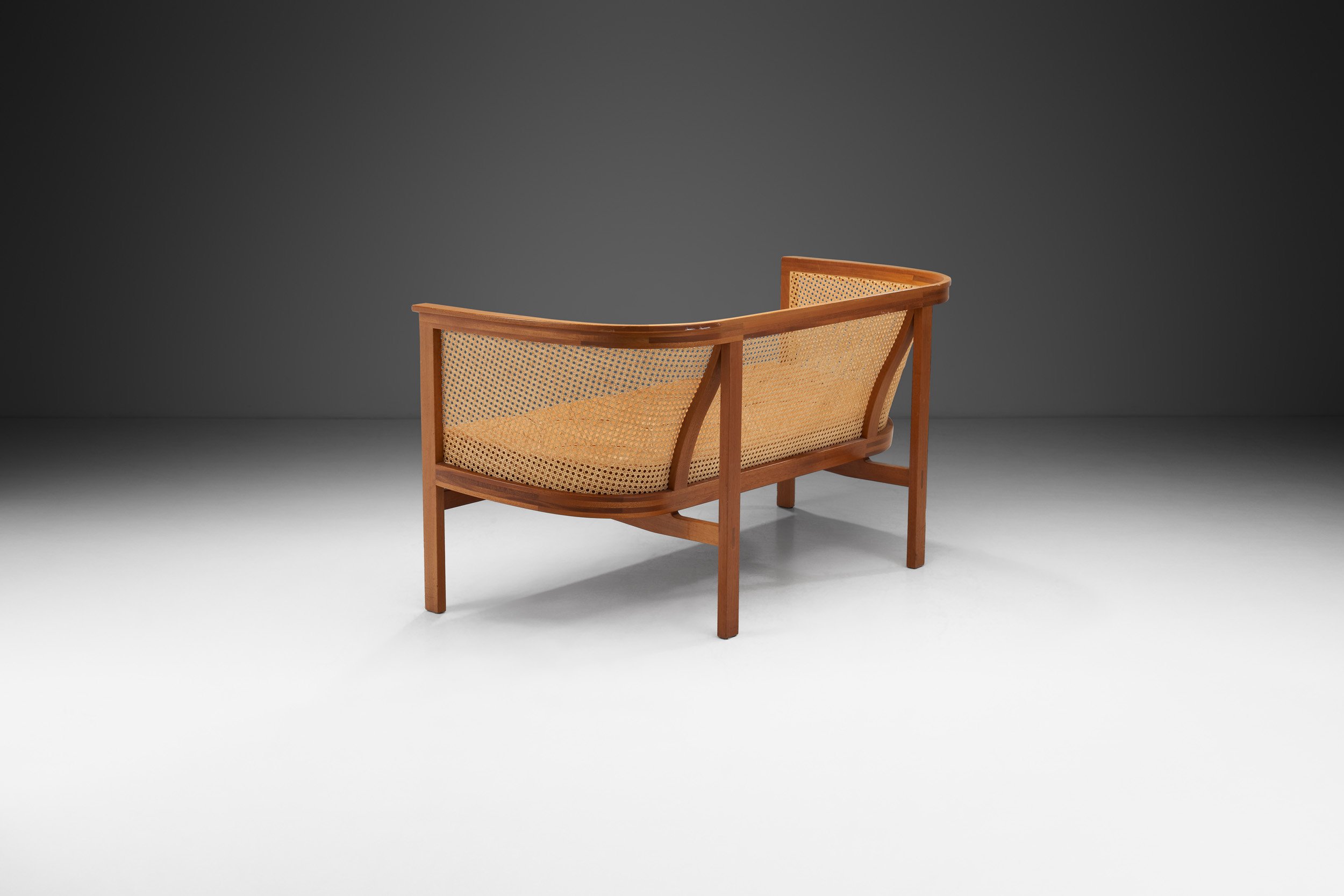
This still in demand “Model 7702” settee has a history behind it that is just as outstanding as its visual and material quality. Rud Thygesen and Johnny Sørensen were once termed “the Golden Boys” of post-mid-century Danish design, who contributed to the renewed appreciation of Danish design.
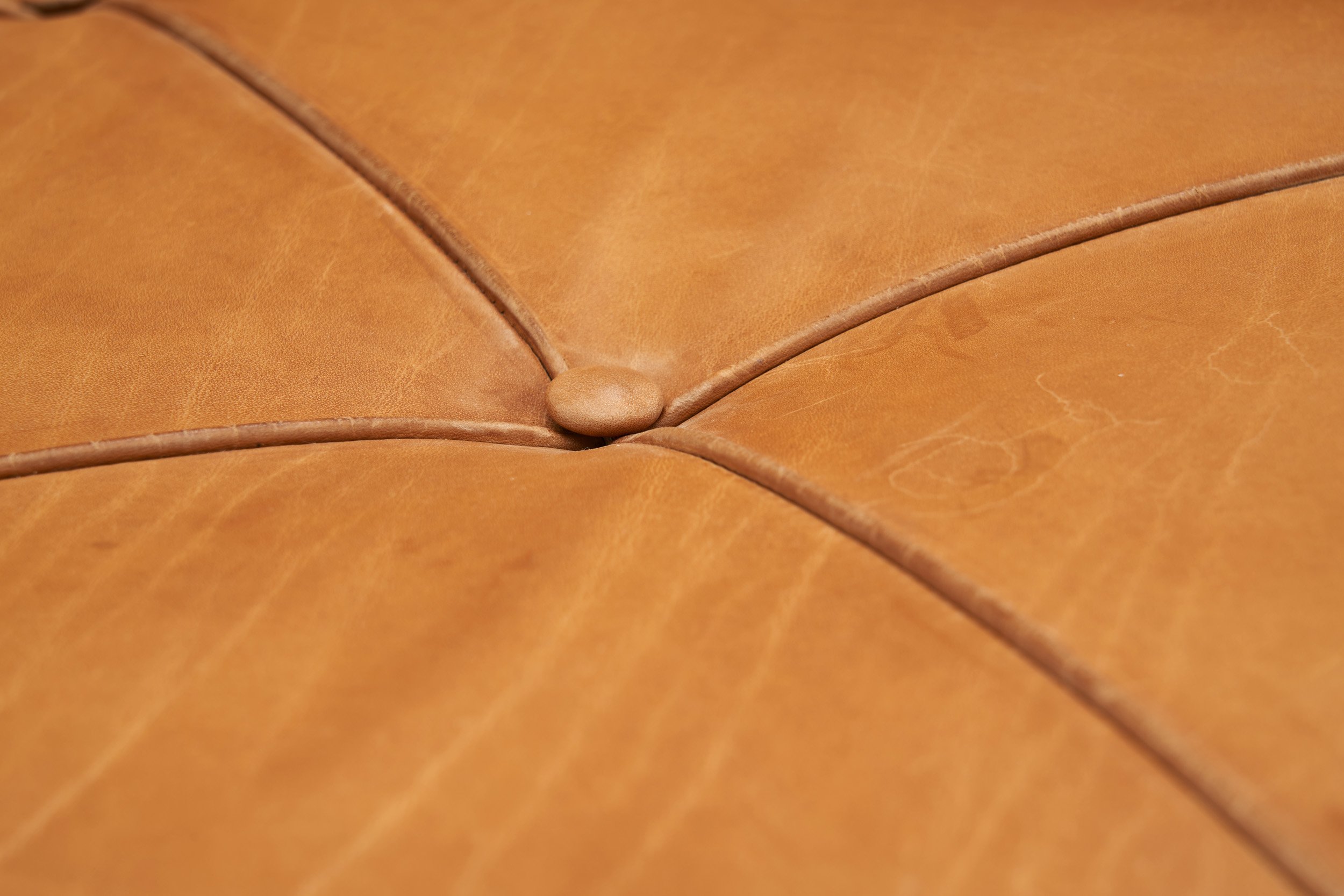
The “Kongeserien” or “Kongemøblerne”, aka the Royal Series - that this model is part of - was designed for the last competition the Copenhagen's Carpenters' Guild announced. The renowned joiners' guild exhibitions in Copenhagen (1928-1968), where most of the 'hot' names participated with furniture, which later became both design classics and icons. It was there - in the period after the Second World War - that Danish furniture design became famous and got lots of column space in the international design magazines. The Copenhagen's Snedkerlaug decided to end the famous guild exhibitions in 1968 after 40 years of activity, and Danish designers and architects, Rud Thygesen and his partner Johnny Sørensen decided to participate. They won the competition and the following year the furniture series was given as a gift to King Frederik IX. on the occasion of his 70th birthday. The series was naturally dubbed 'Kongemøblerne' and it was the first time that the public was made aware of the two designers. This model became celebrated for its solid, exotic wood frame, fitted French caning, and loose button-stitched cushion upholstered in leather. The structure shows the duo’s expertise in architecture, especially in the back where the legs support the reclined backseat uniquely. The curving body recalls the homely curviness of Danish Modernism, while the woven cane panels add the nostalgic organicity of materials. French Hand Caning is an advanced and time-consuming technique with a spectacular result. The leather cushion further adds to the interesting combination of materials that is both classic and modern.
No one could have known what overwhelming success Rud Thygesen and Johnny Sørensen had with their furniture. After they won the last competition under the auspices of the carpenter's guild, they brought 40 years of Danish furniture design history into a new era. This settee was part of this historical event and thanks to its design and material quality, it is still sought after today.
SOLD
Condition:
In good condition. Wear consistent with age and use. The wood and caning has some marks and scratches. This settee comes with its original leather or has been reupholstered by a previous owner. Each of our items can be reupholstered by our in-house atelier in a fabric of choice. Please reach out for more information.
Dimensions:
55.9 in W x 25.59 in D x 27.55 in H; Seat height 15.74 in
142 cm W x 65 cm D x 70 cm H; Seat height 40 cm
REQUEST PRICE HERE
Price category: 5,000 - 7,500 usd / eur
Illum Wikkelsø was a recognisable figure of Danish seating design in the post-war decades, known for creating furniture that combined sculptural silhouettes with a strong emphasis on comfort. Working throughout the 1950s and 1960s with manufacturers such as Søren Willadsen, Wikkelsø developed lounge chairs and sofas that softened the stricter geometry of earlier modernism through curved lines. His designs often relied on exposed wood, generous upholstery, and carefully balanced proportions, allowing seating to feel visually substantial without becoming heavy.
Model “110” reflects this approach through its dramatic winged silhouette and restrained material palette. The chair is upholstered in black leather that wraps continuously around the high back, seat, and armrests, emphasizing the sculptural quality of the form. The backrest rises upward into pronounced side panels that connect the wings to the armrests. The sides curve gently forward, creating a protective and enveloping shape around the sitter. These extended sides visually frame the head and shoulders. The leather surface contributes to the overall character of the piece: its subtle texture catches light differently across the curved sections, giving depth to the large upholstered planes. In contrast to the dark upholstery, the chair rests on a solid wooden base with angled legs that introduce warmth and visual lightness. The exposed wood creates a clear separation between the upholstered body and the floor.
The balance between softness and structure is central to the success of this design. The chair carries the commanding presence associated with high-back lounge seating, yet the flowing transitions between its elements prevent it from feeling rigid. Wikkelsø’s ability to merge comfort with sculptural clarity is especially evident here, making the model equally compelling as functional seating and as a statement piece within an interior.
Condition:
In good vintage condition. Wear consistent with age and use. The chair has recently been reconditioned. The chair comes with its original leather that has developed a natural patina over time. Due to the nature and age of the materials, the item may have some marks, scratches, and discolouration. Each of our items can be reupholstered by our in-house atelier in a fabric of choice. Please reach out for more information.
Dimensions:
29.93 in W x 35.04 in D x 35.44 in H; Seat height 14.57 in; Seat depth 21.26 in; Arm height 21.66 in
76 cm W x 89 cm D x 90 cm H; Seat height 37 cm; Seat depth 54 cm; Arm height 55 cm