Axel Einar Hjorth "Lovö" Chair for Nordiska Kompaniet, Sweden 1930s
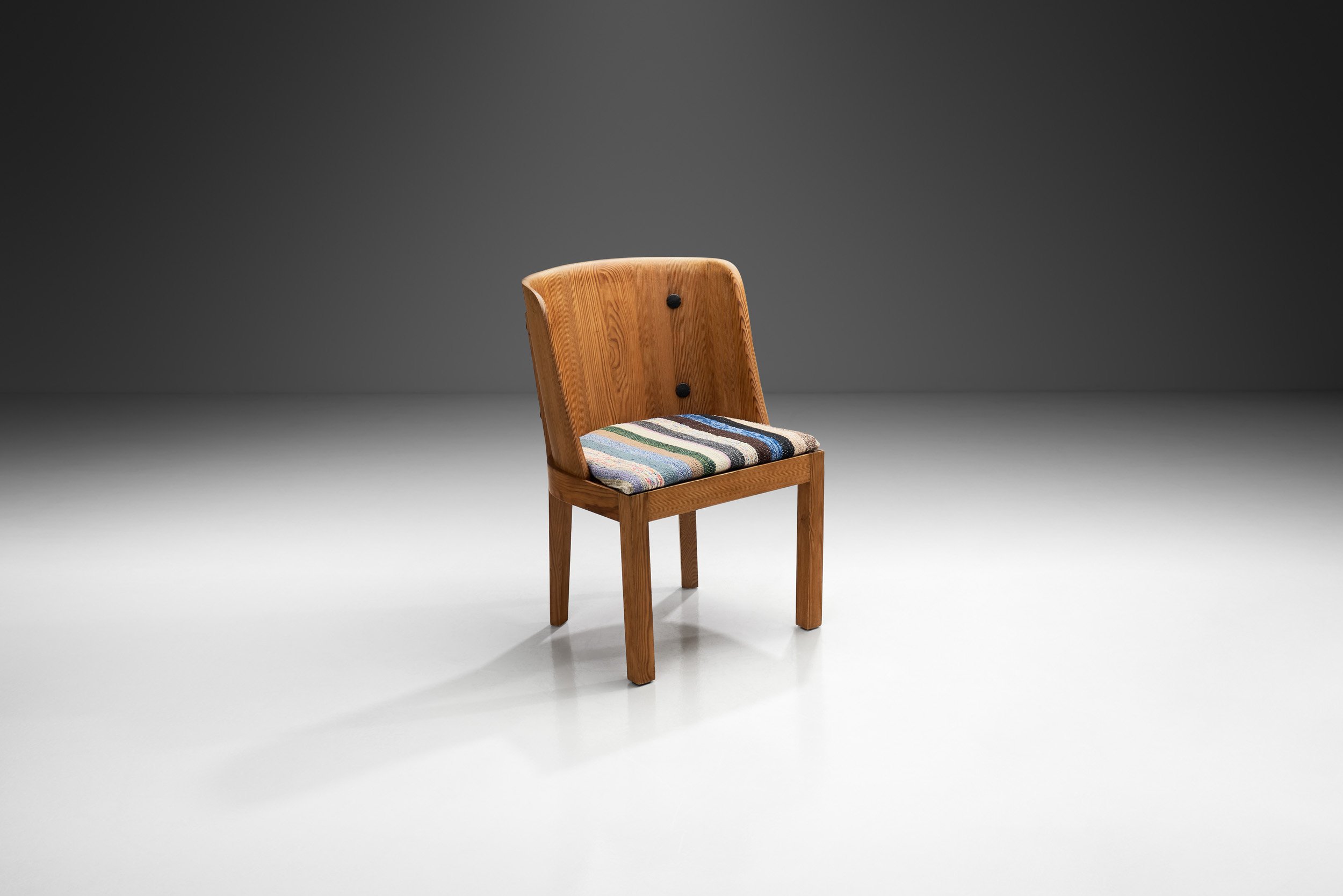
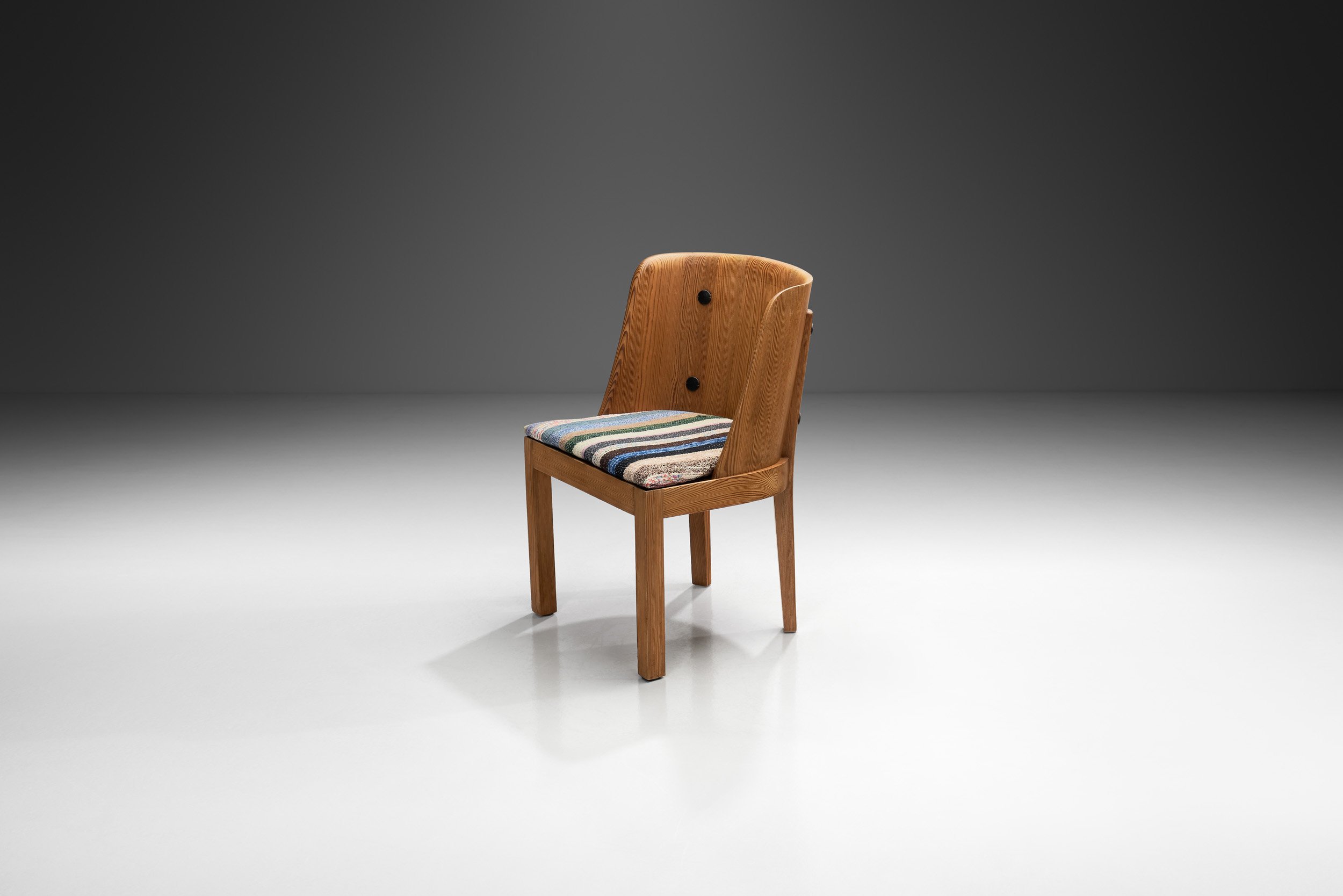
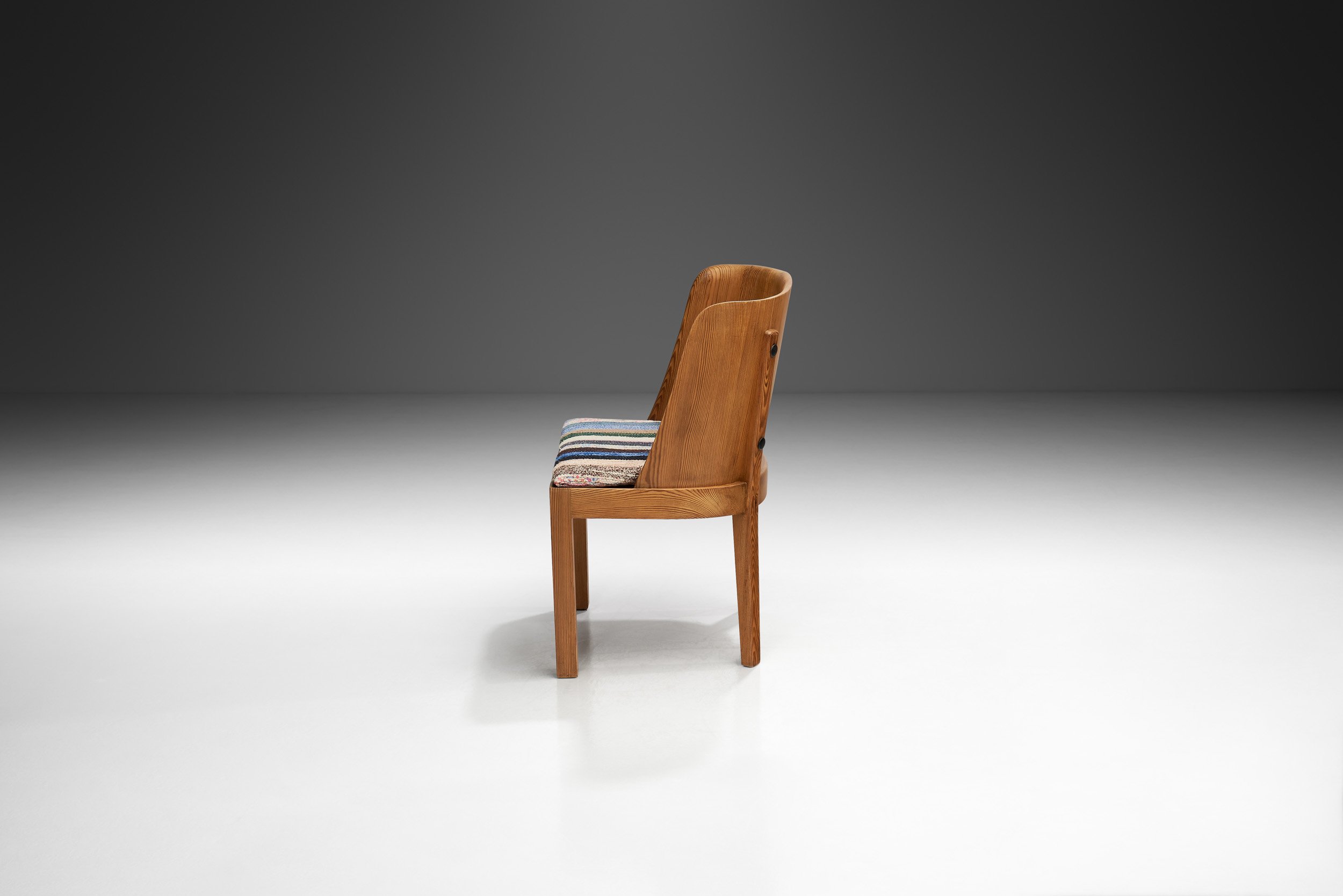
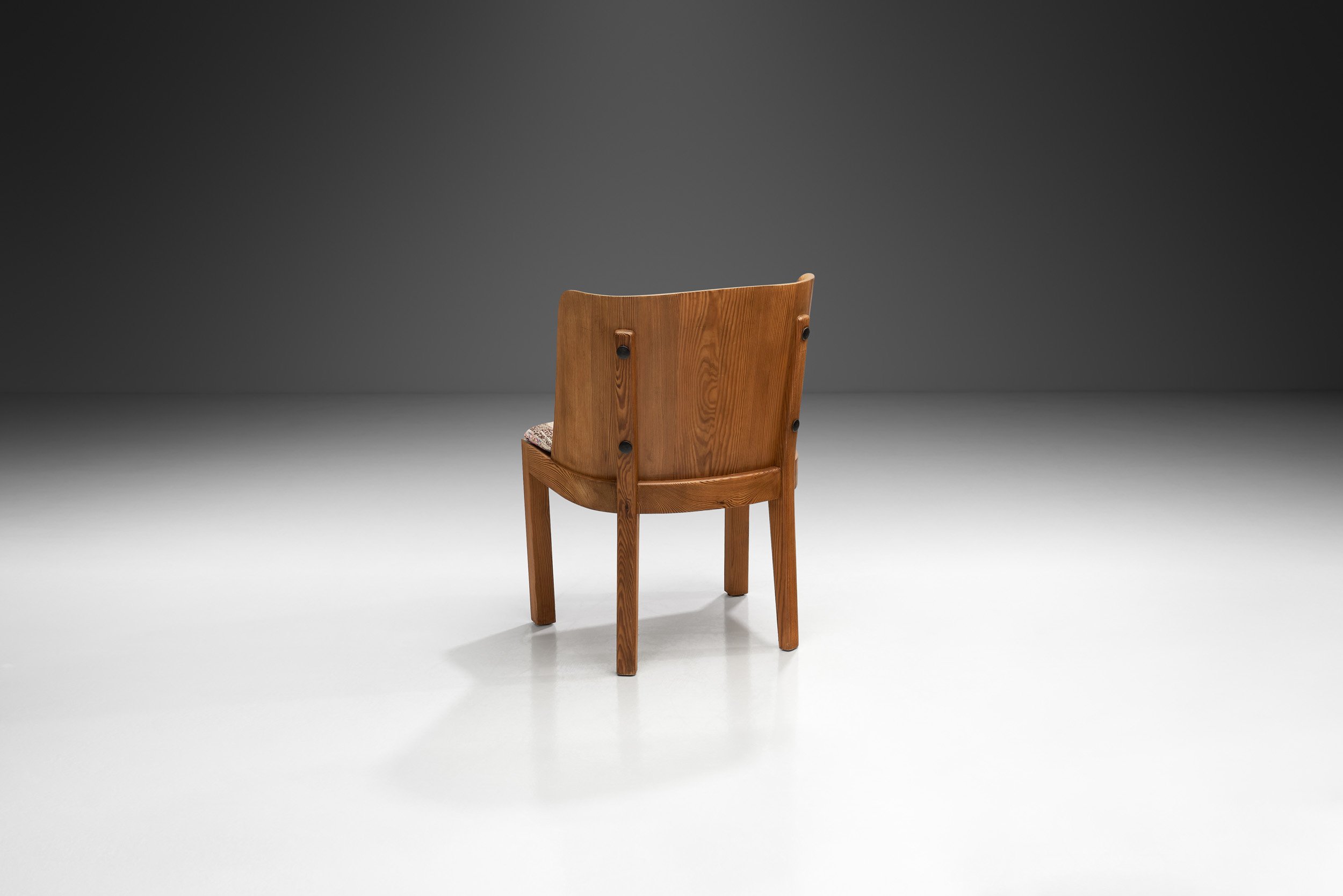
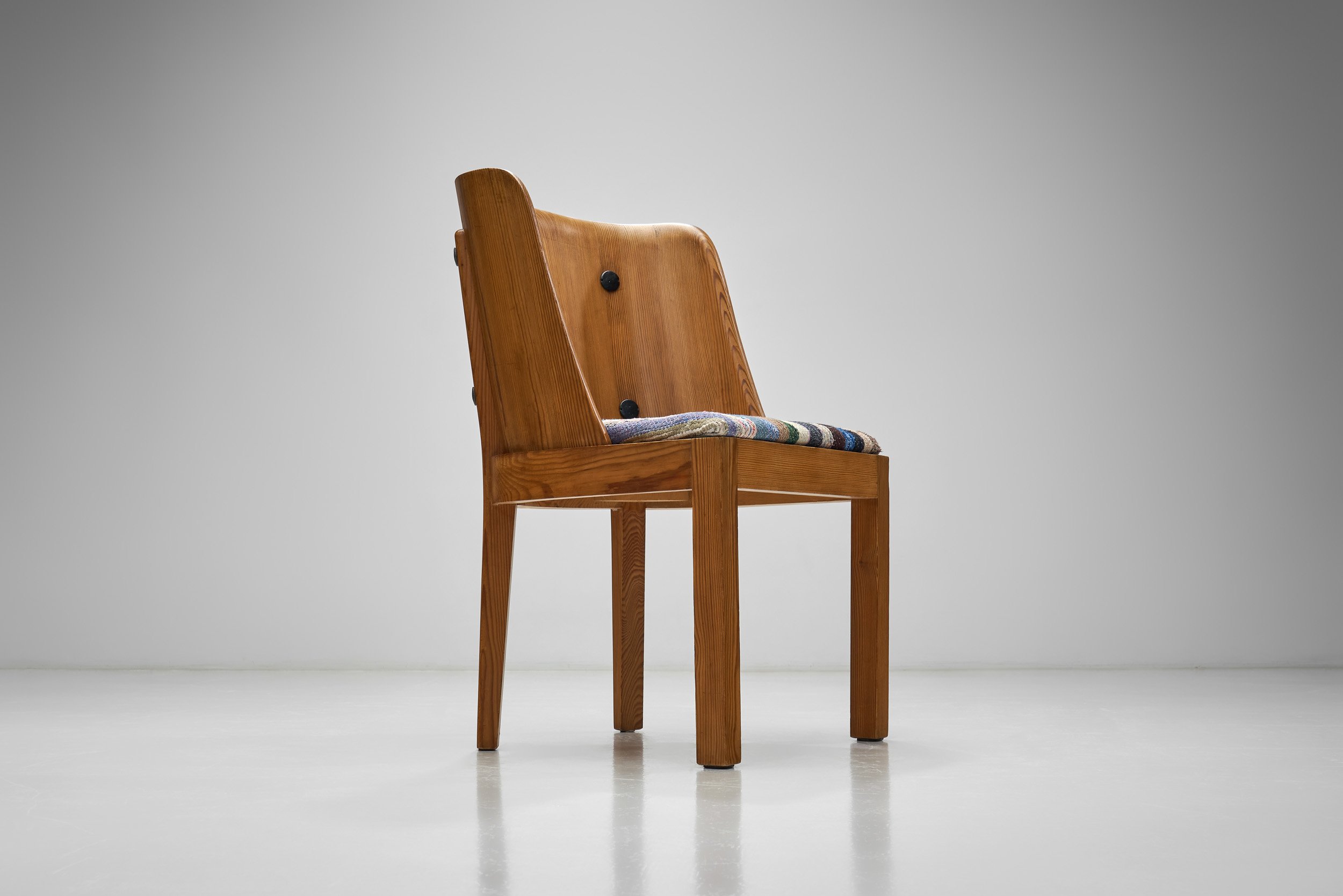

Axel Einar Hjorth "Lovö" Chair for Nordiska Kompaniet, Sweden 1930s
REQUEST PRICE HERE
Price category: 30,000 - 40,000 usd / eur
Swedish architect and furniture maker Axel Einar Hjorth worked as the lead designer for Sweden’s Nordiska Kompaniet department store from 1926 to 1938. During this time, Hjorth designed the “Sportstugemöbler” series, (which translates to “sports cabin furnishings”) a collection of wooden furniture designed for country homes. The various models in the sportstugemöbler series took their names from locations in the Stockholm archipelago – including Blidö, Lovö, and Utö.
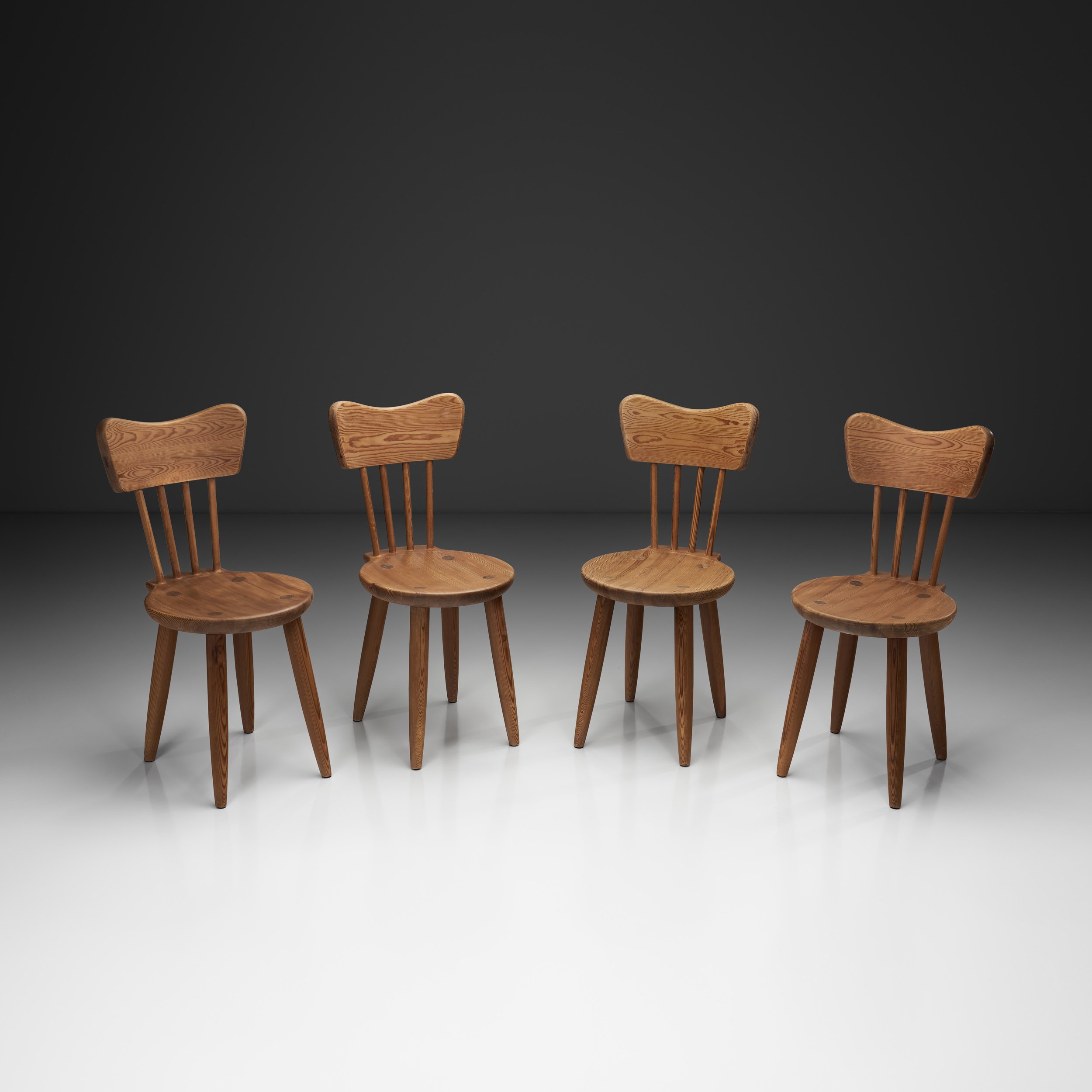
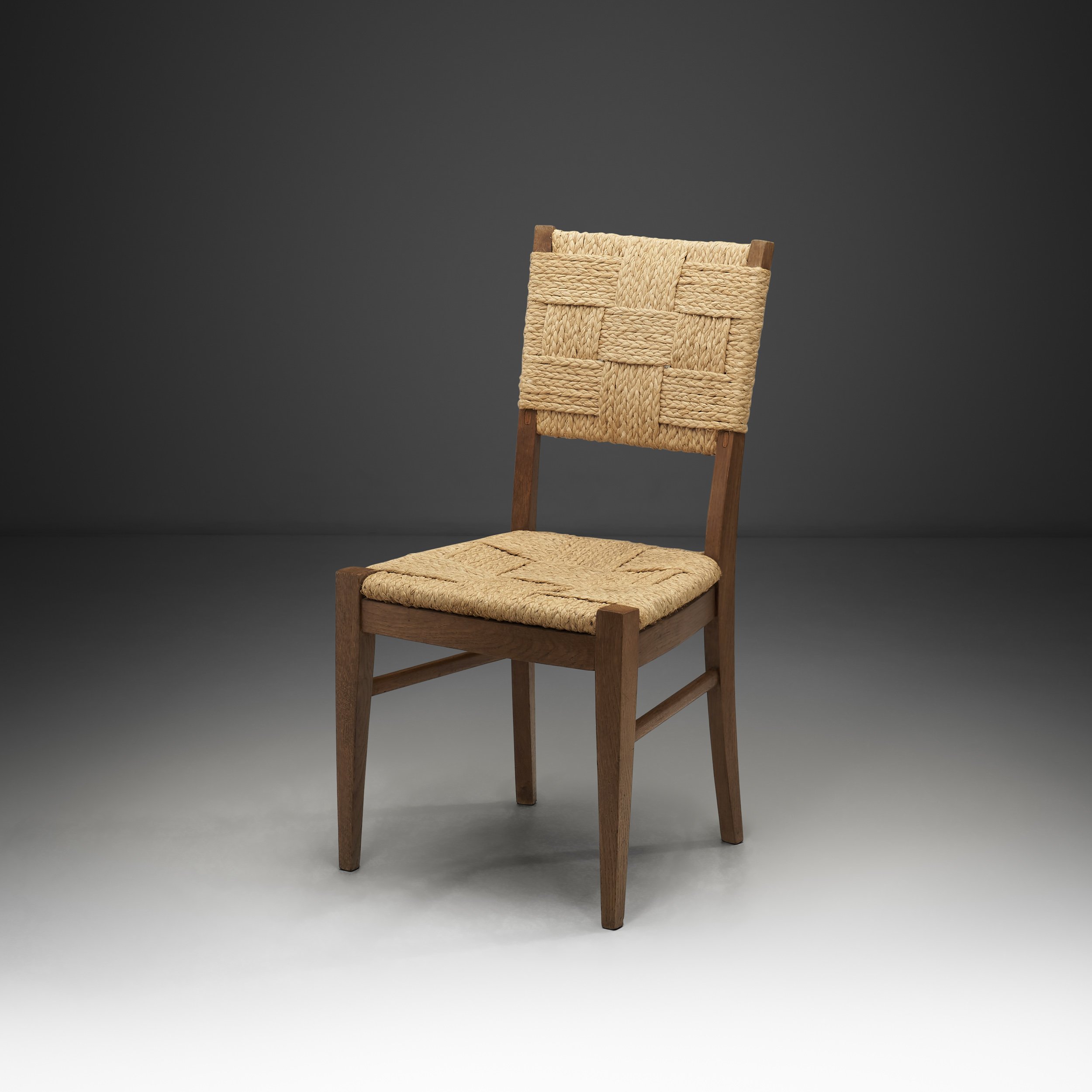
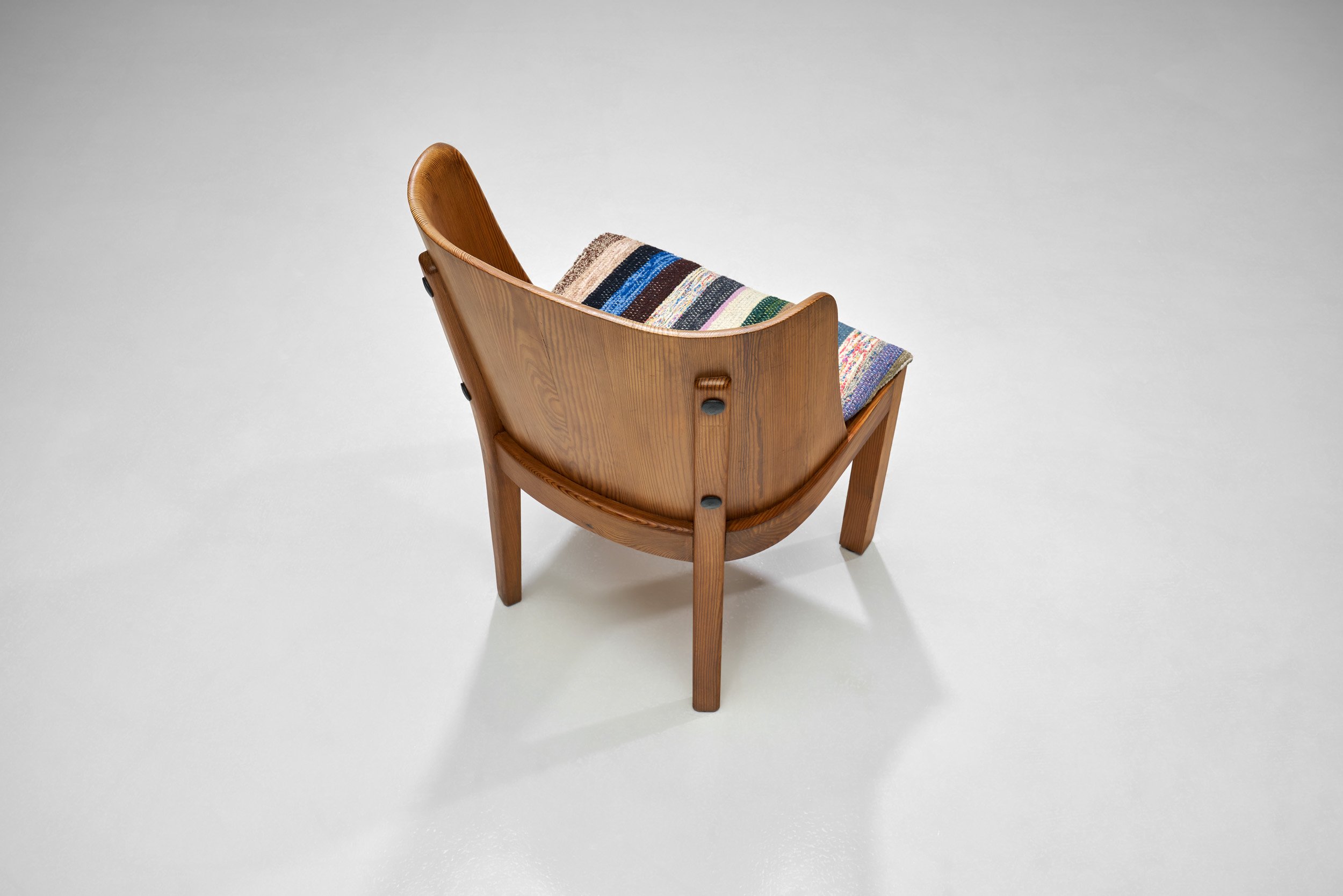
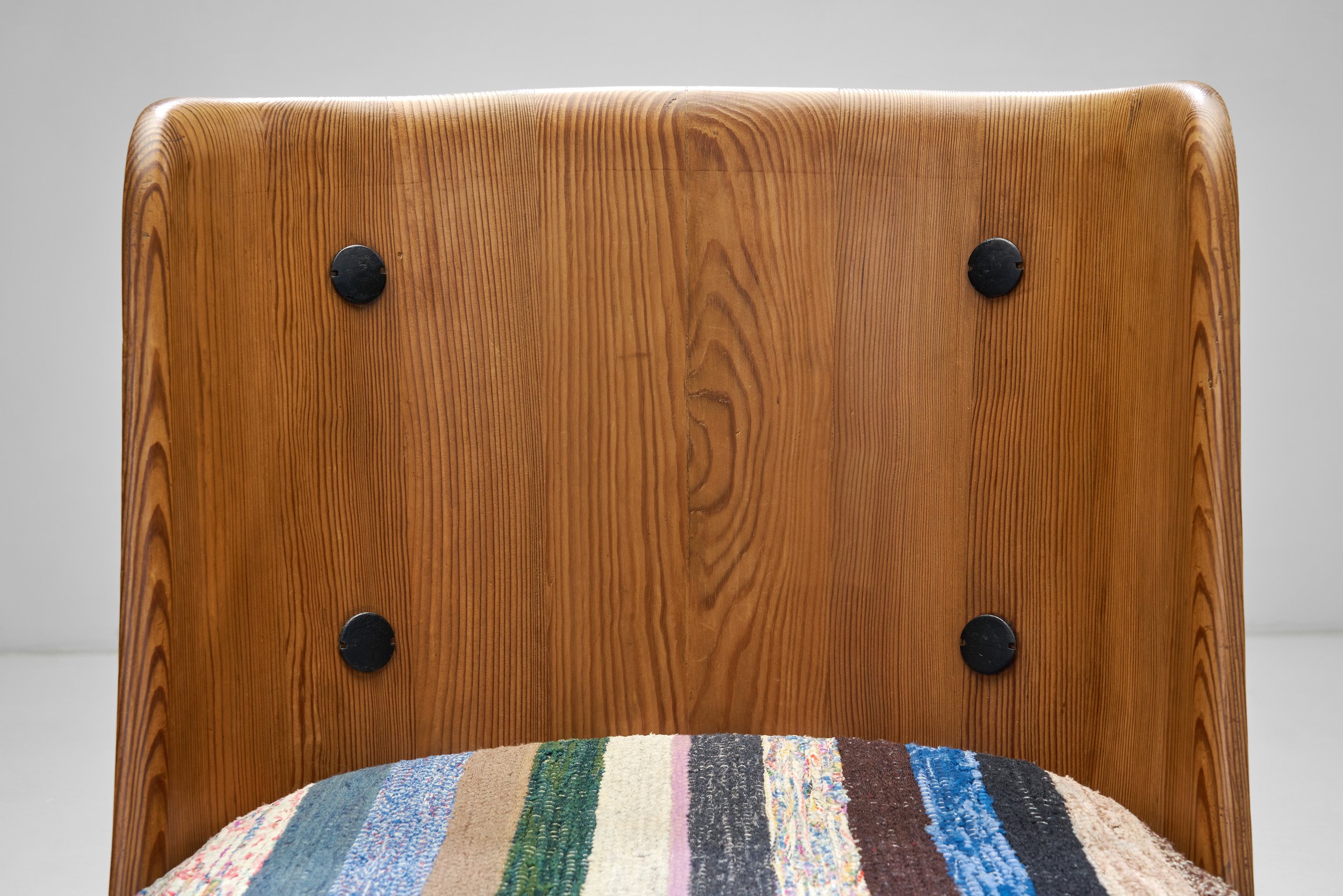
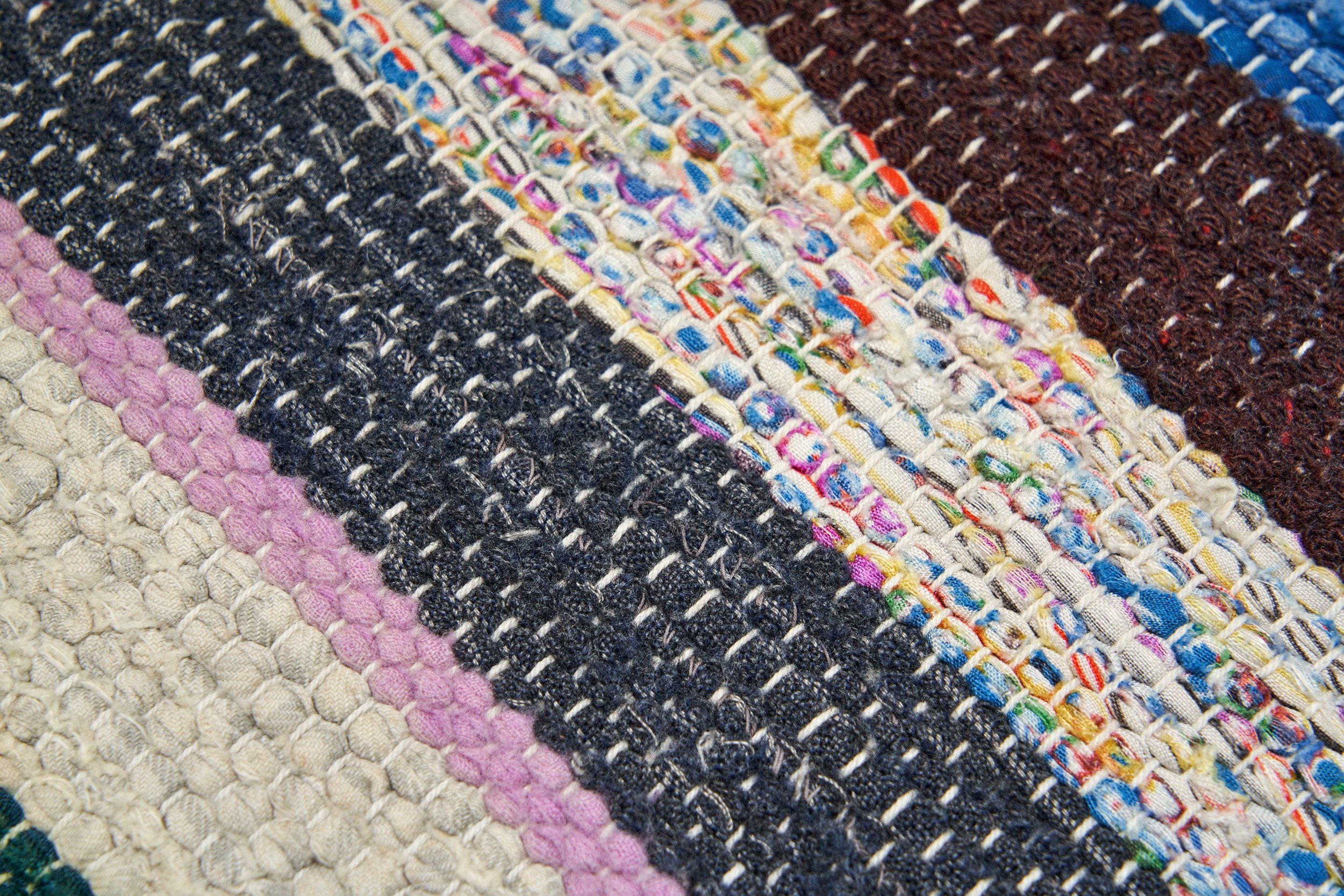
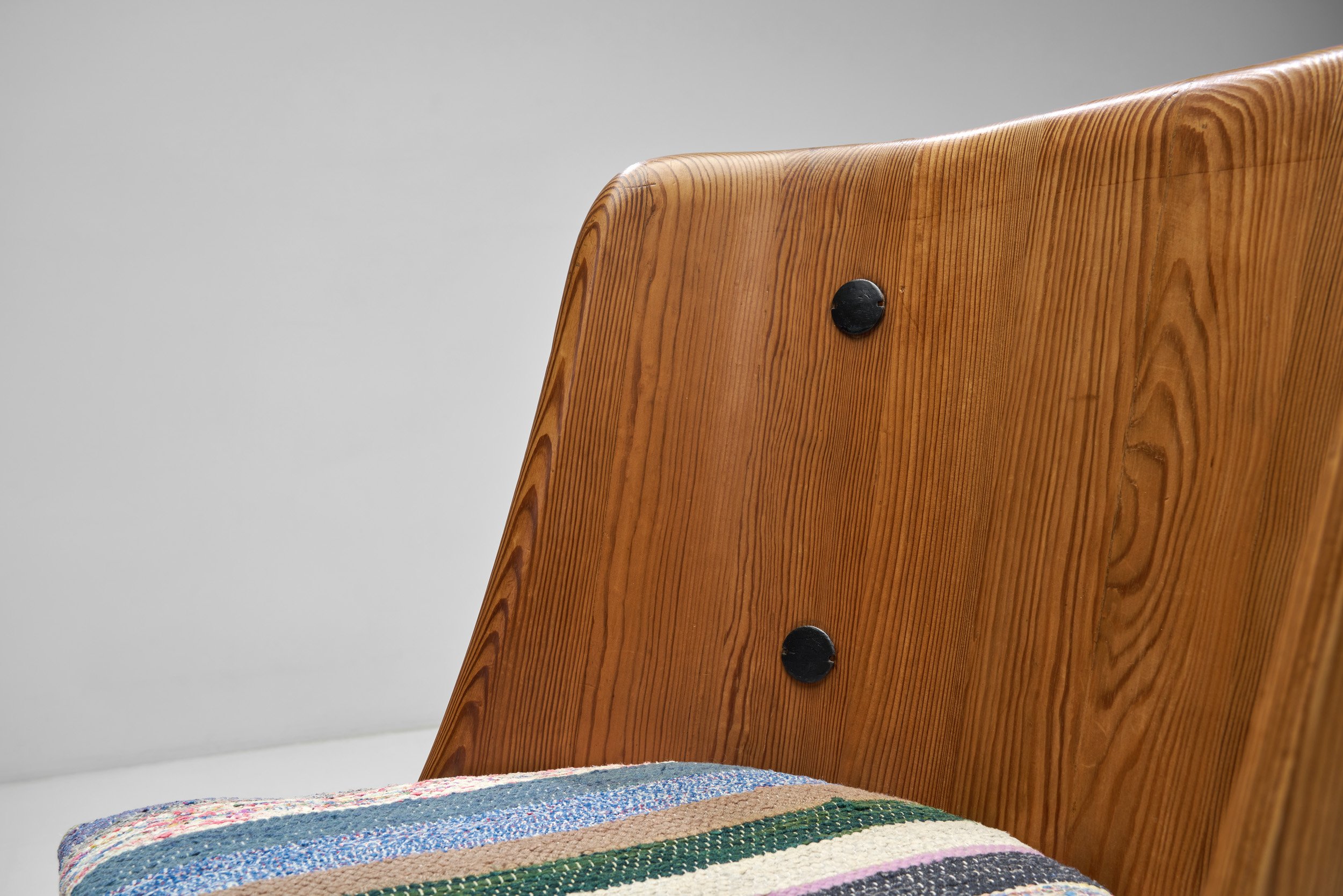
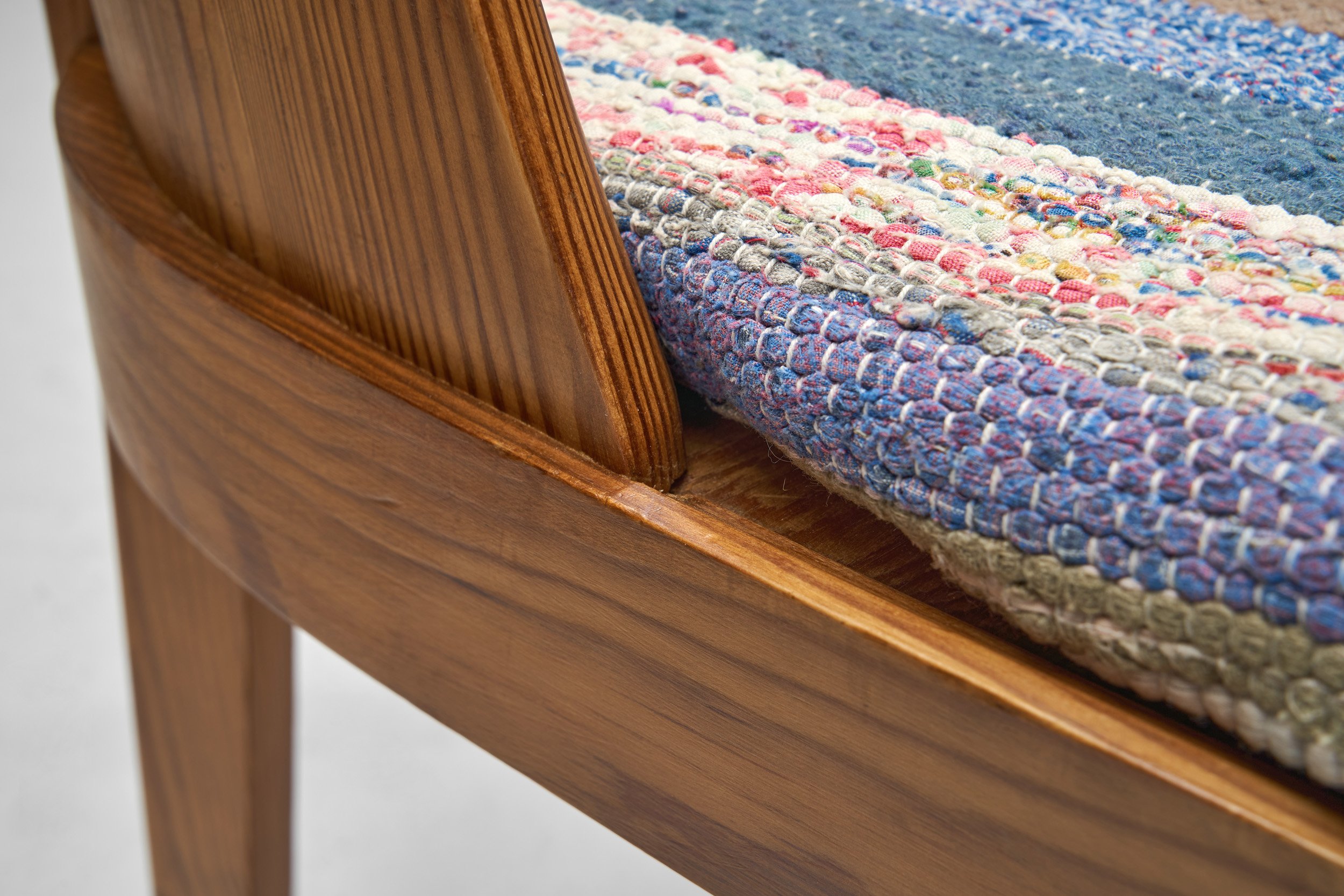
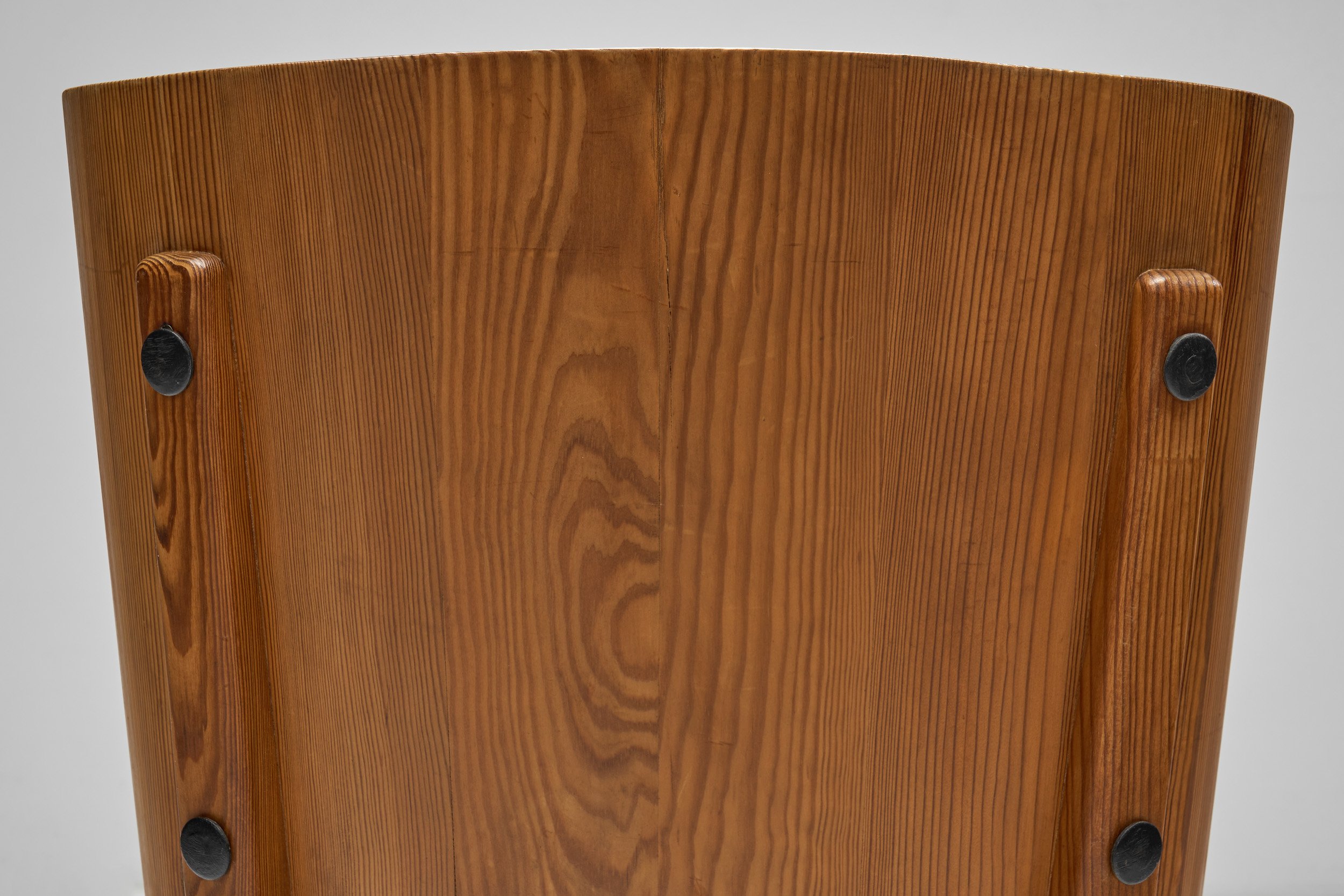
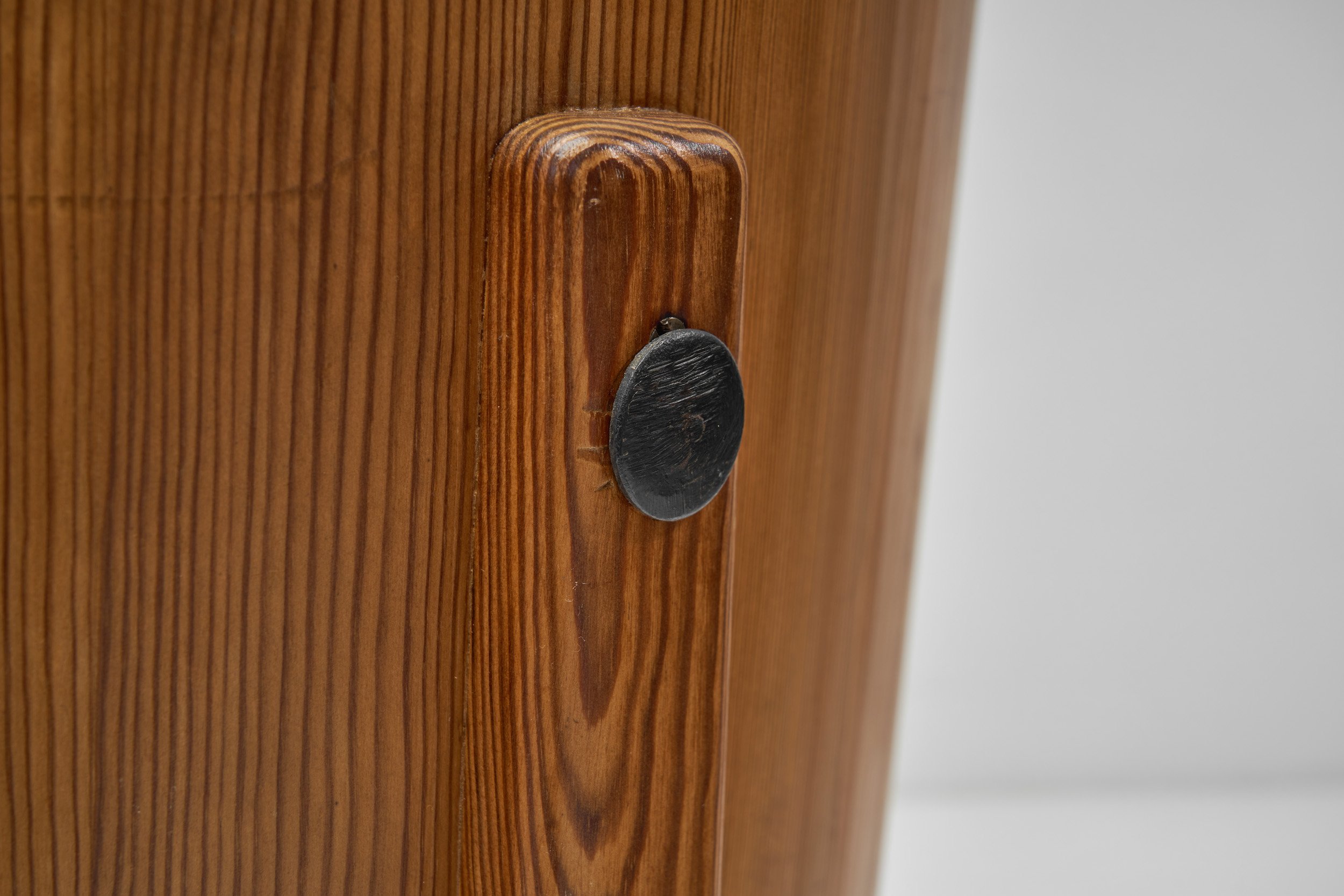
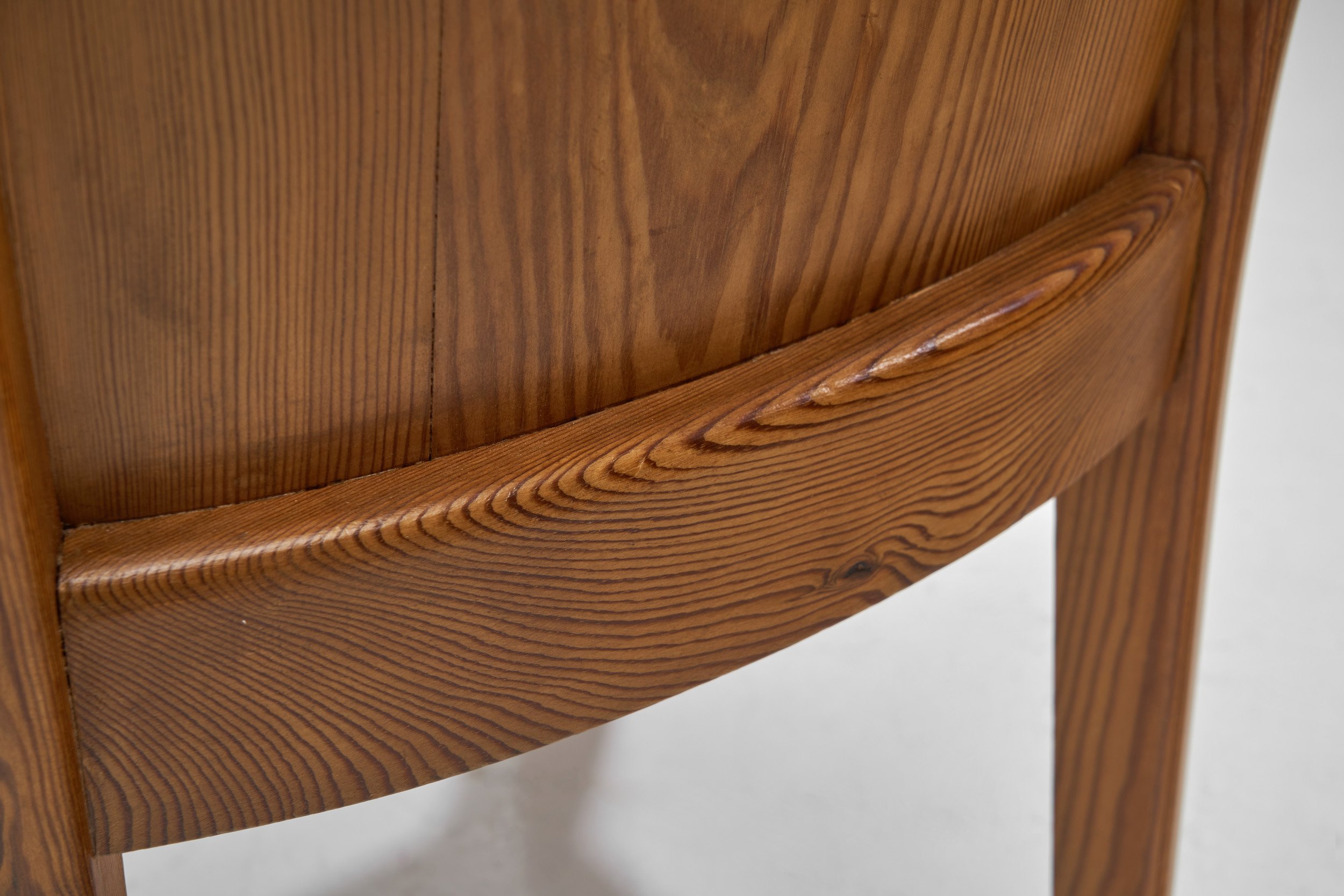
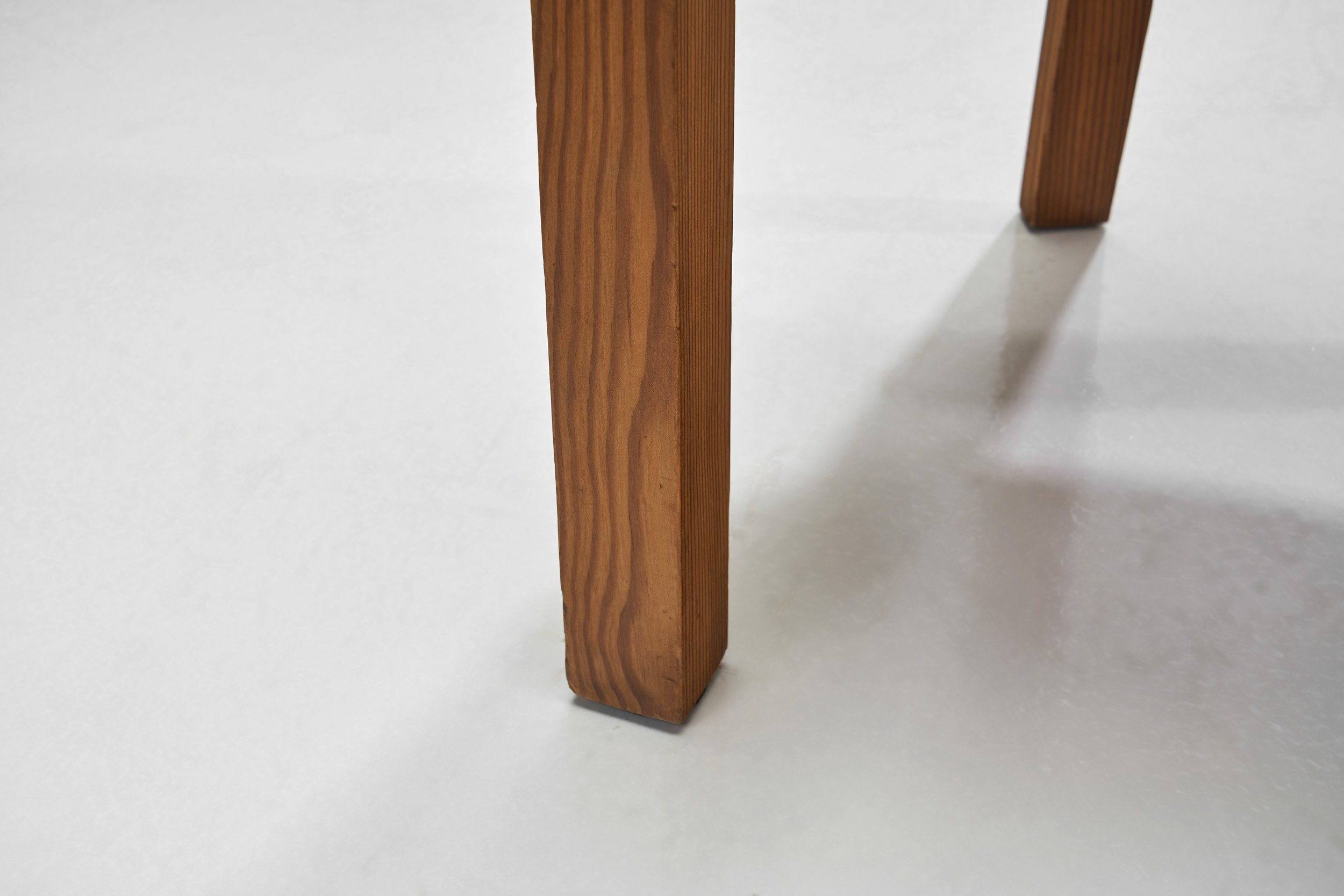
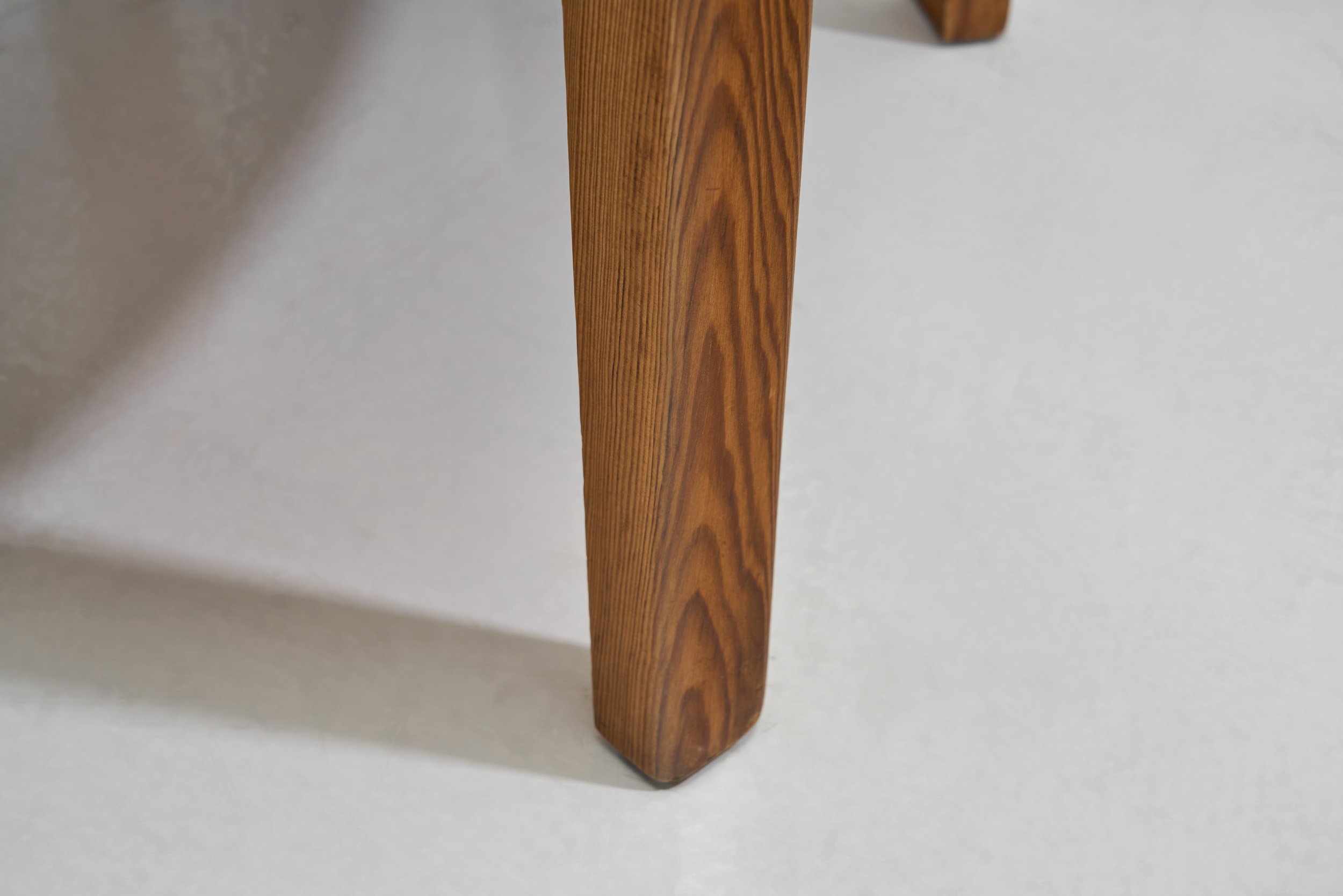
The “Lovö” model, designed within the series of chalet furnishings, was initially launched by Nordiska Kompaniet in 1932. The series was a response to a new and growing demand for furnishings for leisure houses where the style was more informal. This chair is crafted from local pine wood, while the backrest features iron rivets. The juxtaposition between the pine and iron provides a rustic, sturdy and resilient feel, elevating the timeless look of the model. The chair combines a simple and honest form of the handcrafted style of traditional Nordic “allmoge” furniture, and the international 20th century Modernist movement. The result is a modest yet visually interesting design with a strong silhouette. The pine body is composed of a low, curved back that is slightly tilted in order to increase the sitter’s comfort - highlighting the functional nature of the chair. The seat features a loose, removable cushion, upholstered in a textural, striped fabric. Not only is the design of this model unique, but the colourful, cushion further increases the special character, ensuring remarkable charm. The design is completed by four square, straight legs, offering sturdiness.
The “Sportstugemöbler” series had a lasting influence on Hjorth’s contemporaries, inspiring other big names within Nordic design, such as Carl Malmsten. From an international perspective, this series is the forerunner of later pioneering designs, so it comes as no surprise that these “Lovö” chairs became part of modernist design history.
Condition:
In good vintage condition. Wear consistent with age and use. This chair comes with its original upholstery or has been reupholstered by a previous owner. Each of our items can be re-upholstered by our in-house atelier in a fabric of choice. Please reach out for more information.
Dimensions:
20.86 in W x 20.07 in D x 31.49 in H; Seat height 18.50 in; Seat depth 16.92 in
53 cm W x 51 cm D x 80 cm H; Seat height 47 cm; Seat depth 43 cm
About the designer:
Axel Einar Hjorth was born in a small Swedish village named Krokek, just outside Norrköping, on March 7, 1888. At the age of 20, he moved to Stockholm to study architecture and design at the Högre Konstindustriella Skolan.
Although he never graduated, in the 1920s Hjorth started working as a furniture designer for various manufacturers, such as H. Joop & Co., Myrestedt & Stern, Jonssons, and Nordiska Kompaniet. Hjorth’s designs from this period had neoclassical features combined with Swedish Grace. This romantic national style of Sweden was elegant and refined, yet simple. The anniversary exhibition of 1923 in Gothenburg marked the breakthrough of Swedish decorative arts, and made Axel Einar Hjorth a well-respected artist. From October 1926, Hjorth became the chief designer and architect of Nordiska Kompaniet department store in Stockholm. In the 1930s, Hjorth designed a furniture collection out of pine meant for serial production known as Sportstugemöbler (furniture for holiday houses).
Hjorth’s designs, from the luxury of neoclassicism to the severity of functionalism, are sharply distinctive in style, materials, and character. Unlike many of his contemporaries, Hjorth did not conform to the socially oriented ideas produced by Svensk Form (the Swedish Society of Crafts and Design). He played a significant role in the development of Swedish society as a whole, and particularly in Swedish industrial art.
Today Hjorth is often viewed as a precursor to the modern designs popularised by Charlotte Perriand, Jean Royére, Pierre Chapo, or Josef Frank. Recently, there has been a revival of appreciation for his work, showing his genius in a new light.